
Beautiful Plants For Your Interior
Beautiful Plants For Your Interior
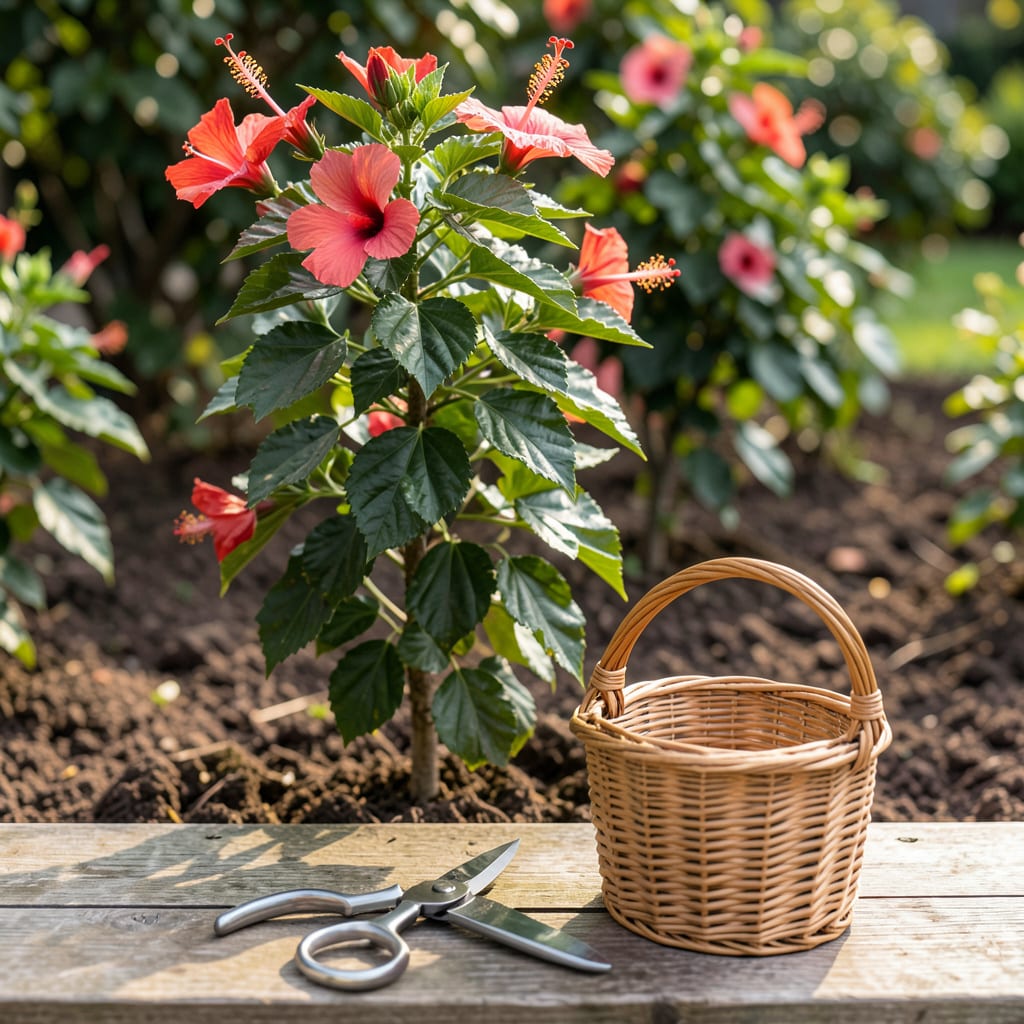
There’s nothing worse than brewing a weak cup of tea from hibiscus picked at the wrong time. Morning is when 🌺 Hibiscus flowers pack the most flavor and vibrant color for your perfect brew.
Discover the exact signs to look for and why timing matters so much. With these tips, you’ll never settle for mediocre tea again.


Timing is everything when harvesting hibiscus flowers for tea. I’ve found that early morning is ideal, just after the dew dries but before the heat sets in. This is when the essential oils are most concentrated.
The flower maturity stage matters too. Look for fully open blooms with vibrant colors and visible stamens. These signs indicate peak flavor and maximum potency for your infusion.☀️
| Harvest Factor | Optimal Condition |
|---|---|
| Time of Day | Early morning (7-9 AM) |
| Flower Stage | Fully open, vibrant color |
| Stamens | Visible and prominent |
| Season | July to September |
| Weather | Dry, sunny days |
Seasonally, July through September is prime time for most hibiscus varieties. The warm summer months encourage abundant blooming, giving you plenty of fresh flowers to work with.
Avoid harvesting during rainy periods or when flowers are wilting. Wet blooms can dilute flavors and increase the risk of mold growth during drying. Always check for firm petals and bright colors before picking.🌺
I always use sharp pruning shears or my fingers to gently twist the flower from the stem. This method prevents damage to the plant and ensures you get the entire calyx, which holds much of the flavor.
The calyx is the green part at the base of the flower. It’s packed with tart, citrusy notes that define hibiscus tea’s signature taste. Never discard it—it’s as valuable as the petals themselves.
If you’re growing Hibiscus sabdariffa (the variety most used for tea), you’ll notice the calyces turn red as they mature. This is your cue that they’re ready for harvesting and drying.
For the best results, I recommend harvesting every 2-3 days during peak blooming season. This keeps your plant producing and ensures you always have fresh material on hand for tea.✂️
Remember, consistency is key. The more you harvest at the right time, the more your plant will reward you with abundant, flavorful blooms all season long.
To keep your hibiscus plant healthy while harvesting, I always start by inspecting the flowers in the morning. Look for blooms that are fully open with bright, deep colors and firm petals. These are ready for picking.☀️
Use clean, sharp scissors or pruning shears to snip the flower stem just below the calyx. This method prevents tearing the plant and ensures a clean cut for faster healing.
Never remove more than one-third of the blooms at once. This keeps your hibiscus plant strong and ensures it continues to produce flowers throughout the season. I’ve seen plants struggle to recover when over-harvested.
After picking, I place the flowers in a breathable container to prevent moisture buildup. Avoid plastic bags, as they can trap humidity and lead to early spoilage. A basket or paper bag works best.🌺
If you’re harvesting Hibiscus sabdariffa, focus on the calyces, as they hold the most flavor compounds. For other varieties, the entire flower can be used, but always remove any insects or debris before drying.
Finally, rotate your harvest around the plant. This gives each section time to recover and bloom again. With this approach, I’ve maintained healthy plants that produce abundant flowers all season long.✂️
Even experienced gardeners make common errors when harvesting hibiscus flowers. I’ve learned that picking at the wrong stage can ruin your tea’s flavor and harm the plant. Always avoid closed buds or wilting blooms.☀️
One of the biggest mistakes is harvesting during rainy weather. Wet flowers lose potency and are prone to mold growth. I wait for dry, sunny mornings to ensure the best quality for my tea.
⚠️ Warning: Avoid These Harvesting Pitfalls
🌱 Picking too early: Buds lack flavor and color for tea.
🌧️ Harvesting wet flowers: Leads to mold and spoiled batches.
✂️ Over-harvesting: Removing too many blooms stresses the plant.
🥀 Using wilted blooms: Results in weak, bitter tea.
Another error is ignoring the calyx. Many gardeners discard this part, but it’s packed with tart, citrusy flavors essential for a robust brew. I always include it when harvesting Hibiscus sabdariffa.
Never use contaminated tools or dirty containers. This can introduce bacteria or pests to your harvest. I clean my pruning shears with rubbing alcohol before each use and store flowers in clean baskets.🌺
Lastly, don’t harvest all blooms at once. Leave some to maintain plant health and encourage continuous production. I follow the one-third rule—never take more than a third of the flowers at any time.
Early morning, between 7-9 AM, is ideal. The flowers hold the most flavor before the heat of the day sets in.
Look for fully open blooms with vibrant colors and visible stamens. The petals should feel firm, not wilted.
No, wet flowers lose potency and can develop mold. Always wait for dry, sunny mornings for the best results.
Yes! The calyx is packed with tart, citrusy notes. Never discard it—it’s essential for robust flavor.
