
Beautiful Plants For Your Interior
Beautiful Plants For Your Interior
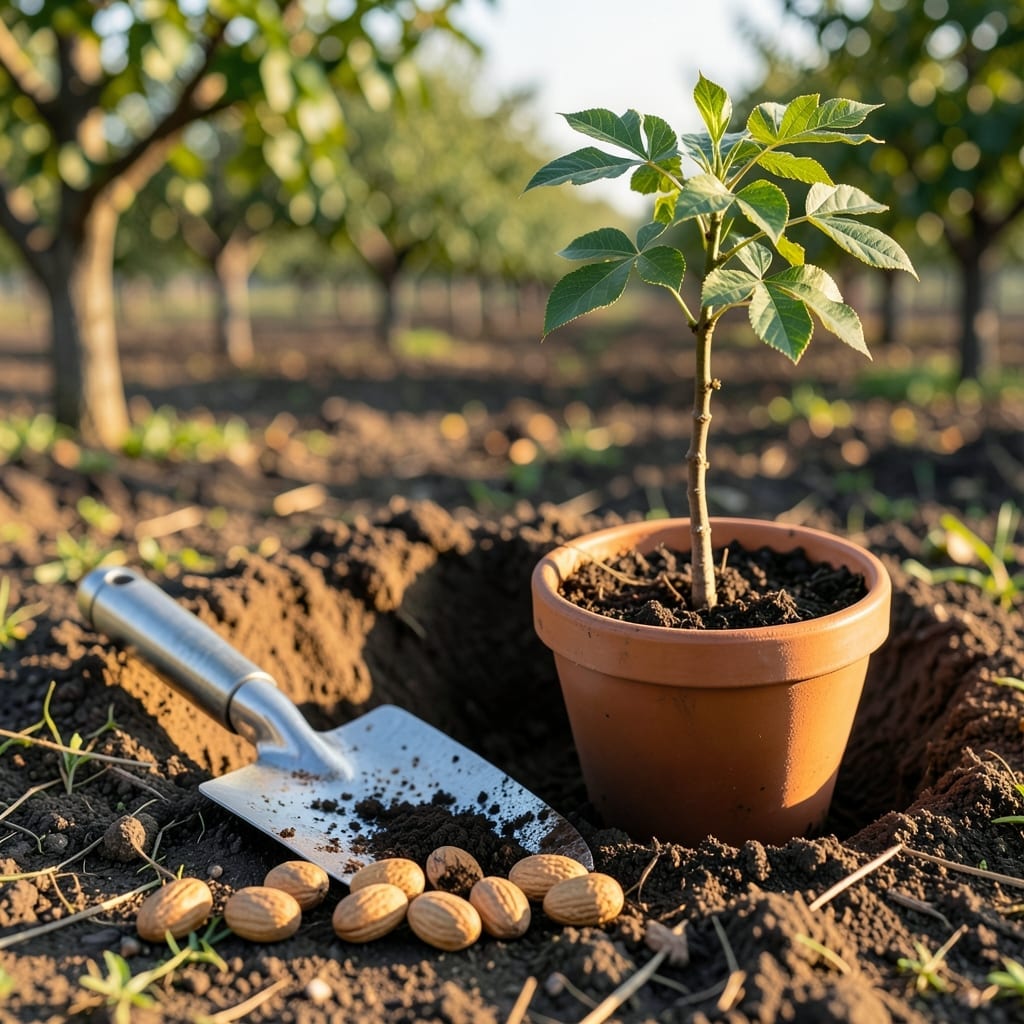
There’s something magical about planting a 🌰 Pecan Tree and watching it grow from a tiny seed into a towering provider of shade and delicious nuts. I remember my first attempt – the excitement of seeing that initial sprout was unforgettable.
Growing these majestic trees from seed isn’t complicated, but it does require patience and the right approach. The process begins long before you put anything in the ground.
Let me walk you through the essential steps that will set you up for success. With proper care, you could be enjoying homegrown pecans for generations to come.


Growing pecan trees from seed starts with proper germination. The first step is collecting fresh pecans in the fall when they naturally drop from the tree. I always look for fully ripe nuts with intact husks.
Before planting, you’ll need to stratify the seeds to break their dormancy. This mimics the natural winter conditions they’d experience in the wild. It’s a crucial step that many beginners overlook.
The stratification period is when most people get impatient. I’ve found that consistent moisture and cool temperatures are key during this time. A refrigerator works perfectly for this process.
Once your seeds have sprouted, it’s time to plant. Choose a deep container or planting site with well-draining soil. Pecan trees develop long taproots, so depth is crucial from the very beginning.
I recommend using a sandy loam soil mix for best results. The soil should hold moisture but never become waterlogged. Remember, these trees naturally grow near riverbanks in the wild.
After planting, keep the soil consistently moist but not soggy. The first signs of growth above soil typically appear in 2-4 weeks, though it can take longer depending on conditions.
Once your seedlings are 6 inches tall, they’re ready to be transplanted to their permanent location. Choose a spot with full sun and plenty of space – mature pecan trees can reach 70-100 feet tall.
During the first year, focus on establishing a strong root system. Water deeply once a week and protect young trees from extreme weather. I’ve found that a 2-inch mulch layer helps retain moisture.
The germination process teaches patience, but seeing that first pecan sprout makes it all worthwhile. With proper care, your seedling will grow into a majestic tree that could produce nuts for your great-grandchildren to enjoy 🌱
Once your pecan seeds have sprouted, the real work begins. Young pecan trees need consistent care to develop strong root systems and healthy growth. I’ve learned that the first few years are critical for establishing a tree that will thrive for decades.
Start by ensuring your seedlings get full sun for at least 6 hours daily. Pecan trees are sun-lovers, and inadequate light will result in weak, leggy growth that struggles to mature.
The watering schedule is particularly important. Young trees need consistent moisture but hate soggy roots. I use a soaker hose to deliver water directly to the root zone, which prevents fungal issues on the leaves.
For soil requirements, pecan trees prefer well-draining loam with a slightly acidic pH between 6.0 and 6.5. If your soil is heavy clay, amending with organic matter before planting will give your tree a better start.
I’ve found that mulching makes a huge difference. Apply a 3-4 inch layer of organic mulch, keeping it 6 inches away from the trunk to prevent rot. This helps maintain soil temperature and moisture levels.
Remember that pecan trees grow slowly at first. In the first year, expect 1-2 feet of growth. By year three, your tree might reach 6-10 feet, but it will take 10-15 years to begin producing nuts. Patience truly is the key with these magnificent trees 🌳