
Beautiful Plants For Your Interior
Beautiful Plants For Your Interior
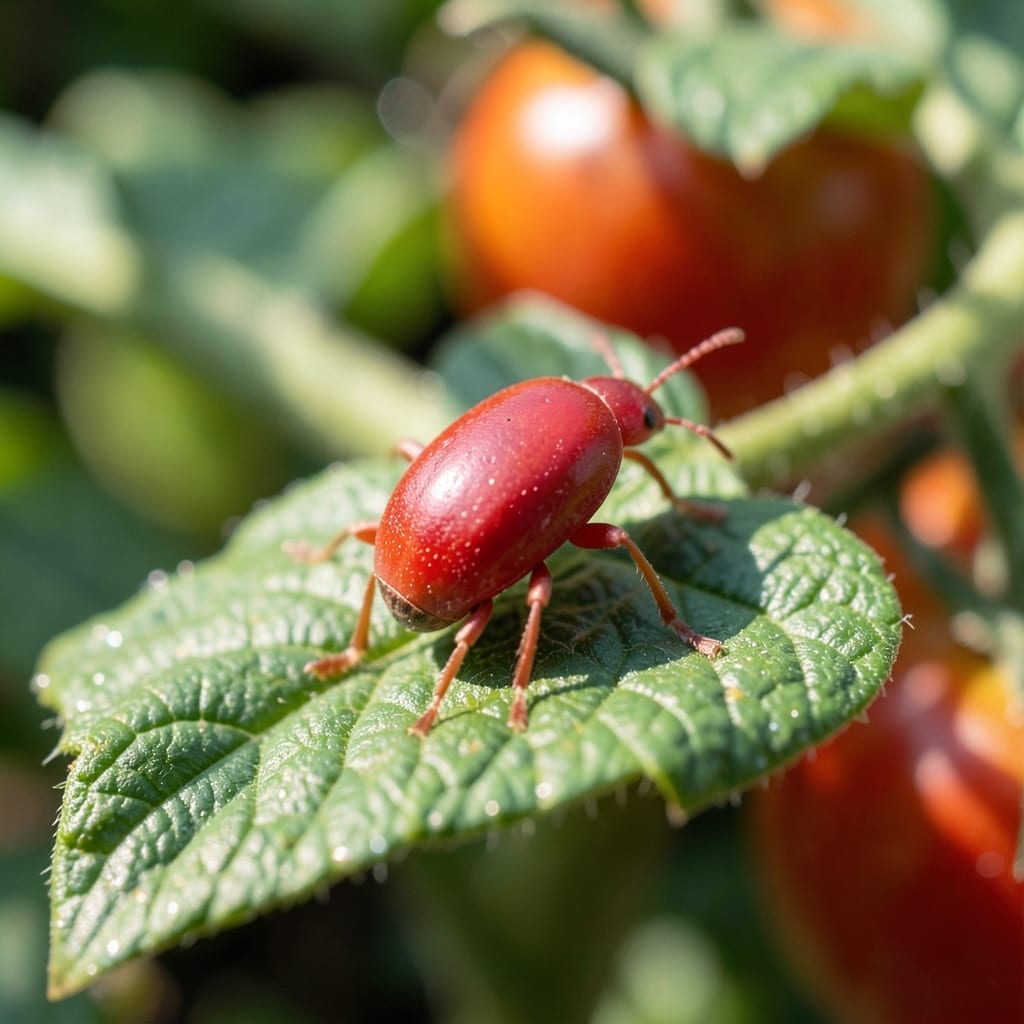
Tiny red invaders can turn a thriving garden into a battleground overnight. I’ve seen mites and aphids multiply faster than I can count, leaving curled leaves and stunted growth in their wake.
The key is catching them early before they spread. A strong blast from the hose knocks many off immediately, and neem oil or insecticidal soap finishes the job without harsh chemicals. Consistency matters more than strength here.
Healthy plants resist pests better, so start with good soil and proper watering. Companion planting with marigolds or garlic adds natural protection that keeps them from returning.
Works for flower beds, vegetable patches, and container gardens alike. Let’s reclaim your space.
Tiny red bugs, often clover mites or red spider mites, appear outside for specific environmental and biological reasons. Understanding these triggers helps you tackle the root of the problem. Below are the most common causes:
These pests thrive in dense, moist vegetation, especially overgrown grass, ivy, or mulch beds. Clover mites, for instance, feed on plant sap and lay eggs in undisturbed soil. Red spider mites prefer dry, dusty conditions but can explode in numbers when humidity spikes. Both are drawn to organic debris like leaf litter, which provides shelter and food.
Paradoxically, both too much and too little water can trigger infestations. Clover mites proliferate in soggy soil after heavy rains, while red spider mites boom in drought-stressed plants—weak vegetation produces less resistance to their piercing mouthparts. Poor drainage or overwatering creates the perfect breeding ground.
Tiny red bugs are temperature-sensitive. Clover mites become active in early spring and fall when temps hover between 40–75°F (4–24°C). Red spider mites, however, prefer hot, dry summers (above 80°F/27°C). High humidity accelerates their life cycles, leading to rapid population growth in just weeks.
These bugs often migrate indoors by accident, hitching rides on clothing, pets, or firewood. But outside, they’re attracted to cracks in foundations, gaps in siding, or dense ground covers near your home. Removing these access points reduces their ability to spread.
Tackling tiny red bugs outside starts with identifying the root cause. Here’s how to fix common issues and keep your garden pest-free:
Dense plants and debris create perfect hiding spots. Clear away overgrown areas, fallen leaves, and weeds. Prune bushes and mow the lawn regularly to reduce habitats. Prevention tip: Maintain a tidy yard to discourage future infestations.
Standing water attracts these pests. Fix leaky hoses or faucets, and ensure your yard has proper drainage. Use mulch in garden beds to absorb excess moisture. Prevention tip: Water plants early in the day so surfaces dry by evening.
Piles of leaves, grass clippings, or compost heaps are bug magnets. Rake and dispose of organic debris weekly. For compost bins, keep them sealed and away from your home. Prevention tip: Use a compost tumbler to contain materials securely.
Ladybugs, lacewings, and birds feast on tiny red bugs. Plant native flowers (like marigolds or daisies) to attract them. Install birdhouses or birdbaths to encourage avian helpers. Prevention tip: Avoid pesticides that harm beneficial species.
For immediate action, mix 1 tablespoon of dish soap with 1 quart of water and spray affected areas. Neem oil or diatomaceous earth (food-grade) also work wonders. Prevention tip: Reapply after rain or heavy watering.
Pro tip: 💡 Inspect your garden weekly to catch issues early. A little maintenance goes a long way!
Yes, they can damage plants by feeding on sap, causing yellowing leaves and stunted growth. Clover mites rarely harm healthy plants, but red spider mites can quickly weaken them in large numbers.
Reapply neem oil or soapy water every 5-7 days or after rain. Diatomaceous earth works best when dry, so reapply after watering or precipitation.
They might accidentally hitch a ride on clothes or pets. Seal cracks in windows and doors, and check firewood or plants before bringing them indoors.
Combine methods: trim vegetation, remove debris, then spray with soapy water or neem oil. You’ll see fewer bugs within 2-3 days.