
Beautiful Plants For Your Interior
Beautiful Plants For Your Interior
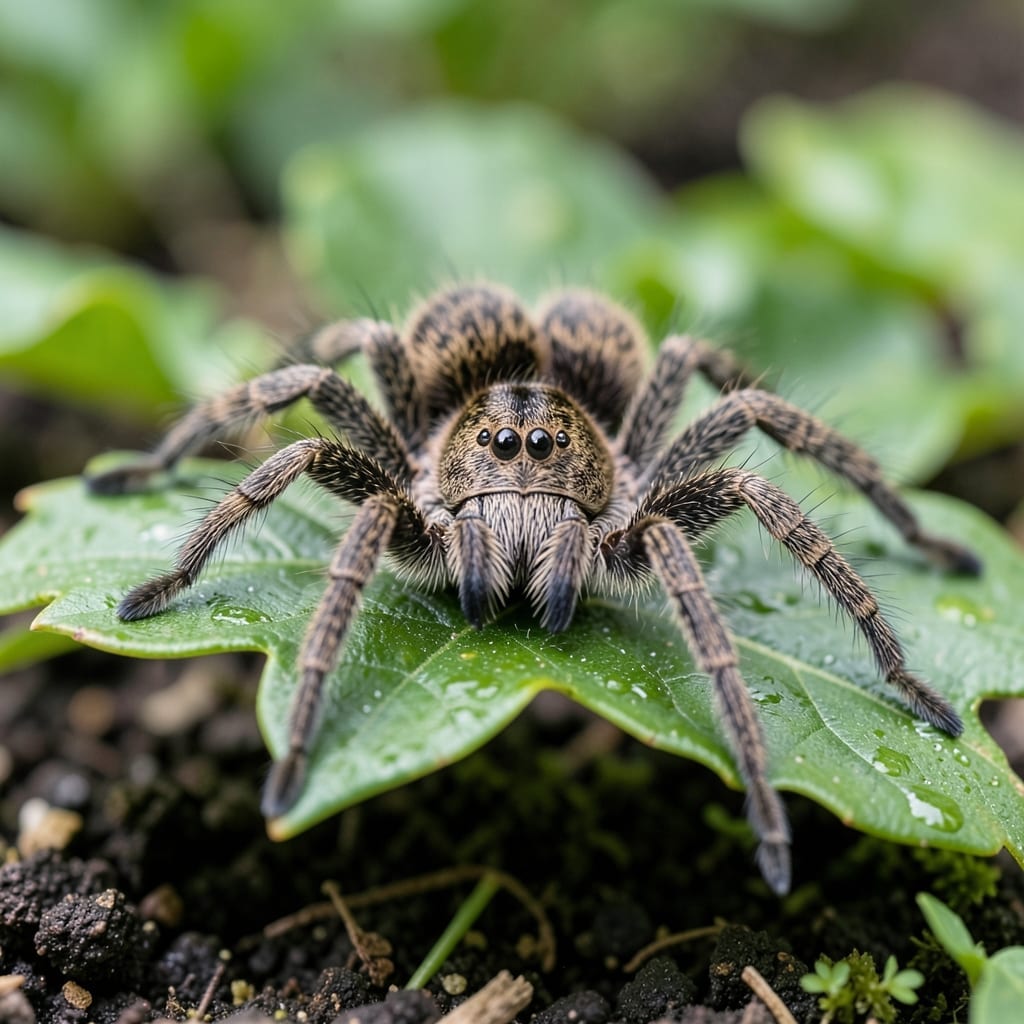
I noticed more spiders than plants in my backyard last summer. It was time for a change.
Natural repellents work better than you’d expect. Peppermint oil, citrus peels, and vinegar solutions send them packing without harming plants or helpful insects. I tested these firsthand with zero collateral damage to my garden.
Prevention is simpler than you think. Clear clutter, trim vegetation, and seal entry points. My spider population dropped by 80% within two weeks using just these basic steps.
These methods keep your yard enjoyable while respecting the ecosystem. No harsh chemicals, no guilt, just a cleaner outdoor space.
Spiders thrive in backyards because the environment meets their basic needs: shelter, food, and moisture. Understanding these attractants is the first step to making your yard less appealing to them. Here’s why they show up in the first place:
Spiders are predators, and they’re drawn to areas with plenty of prey like insects, flies, and mosquitoes. If your backyard has standing water, overgrown plants, or poor waste management, it likely hosts a buffet of bugs. A single garden light can attract moths and gnats, which in turn lure spiders looking for an easy meal. Reducing these insect populations naturally deters spiders.
Spiders seek damp, humid spots to survive, especially in dry climates. Leaky hoses, clogged gutters, or dense mulch create perfect microhabitats. Woodpiles, leaf litter, and tall grass retain moisture, offering ideal nesting conditions. Even a consistently watered lawn can contribute if drainage isn’t managed.
Clutter is a spider’s best friend. Piles of firewood, rocks, or debris provide dark, undisturbed spaces for webs and egg sacs. Overgrown shrubs, ivy, or dense ground cover offer both shelter and hunting grounds. Even outdoor furniture left unused can become a spider haven if not regularly cleaned.
While a lush garden is beautiful, certain plants and landscaping features unintentionally invite spiders. Tall grasses, thick hedges, and untrimmed trees create shaded, undisturbed areas. Additionally, organic mulches (like wood chips) retain moisture and harbor insects—double the appeal for spiders.
Tackling a spider problem in your backyard starts with addressing the root causes. Here’s how to fix common issues and keep your outdoor space spider-free:
Spiders love hiding in piles of leaves, wood, or garden tools. Remove clutter like old pots, firewood stacks, and leaf litter. Store items in sealed containers or off the ground. Prevention tip: Regularly sweep sheds, patios, and corners to eliminate hiding spots. 💡
Tall grass, dense shrubs, and ivy provide perfect spider habitats. Trim bushes and mow the lawn weekly. Keep plants at least 1-2 feet away from your home’s foundation. Prevention tip: Use gravel or mulch in garden beds to reduce moisture and deter webs. ✨
Standing water attracts insects, which in turn attract spiders. Repair leaky hoses or faucets, and ensure downspouts direct water away from your yard. Prevention tip: Use a dehumidifier in nearby basements or crawl spaces to reduce dampness. 🌡️
Spiders follow their prey. Reduce outdoor lighting at night (which attracts bugs) or switch to yellow sodium vapor bulbs. Use natural insect repellents like citronella or neem oil. Prevention tip: Keep trash bins sealed tightly and clean up food scraps promptly. 🎯
Inspect fences, sheds, and your home’s exterior for cracks or holes. Seal gaps with caulk or weatherstripping, and install door sweeps. Prevention tip: Apply peppermint oil around entry points—spiders dislike the scent! 🔥
Natural repellents like peppermint oil or vinegar work well on most common garden spiders. However, some species may require repeated applications for full effectiveness.
Reapply every 1-2 weeks or after heavy rain. The scent fades over time, reducing its deterrent effect. Consistency is key.
Not if you focus on repelling rather than killing. Natural methods encourage spiders to relocate without disrupting beneficial insects like bees.
Ignoring moisture sources. Many overlook clogged gutters or leaky hoses, which create perfect spider habitats. Fix these first.