
Beautiful Plants For Your Interior
Beautiful Plants For Your Interior
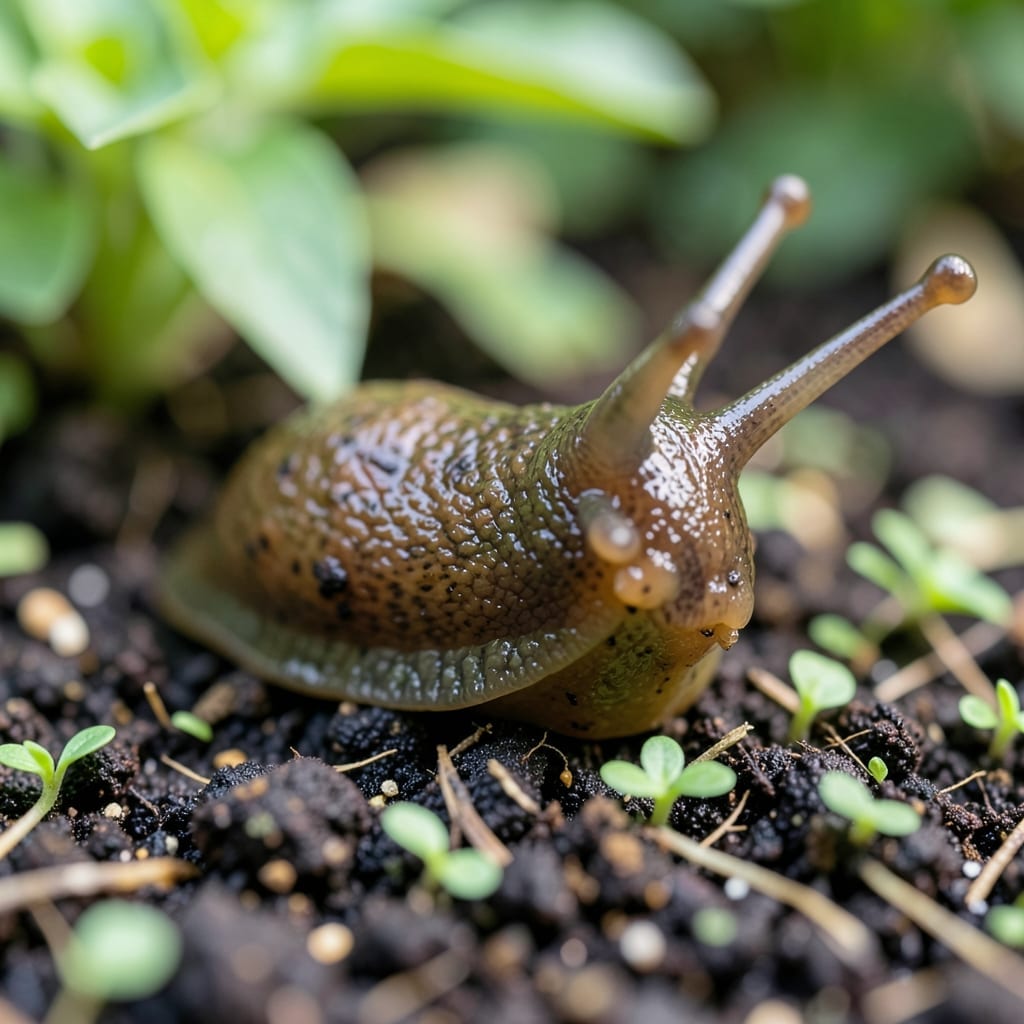
Woke up to chewed leaves and slimy trails on my potted herbs. 🌱 Slugs in containers are sneaky pests that turn your carefully tended plants into their personal buffet overnight.
Here’s the thing—these invaders thrive in moist, sheltered spots. Coffee grounds work as a foolproof barrier: the caffeine bothers them, and the gritty texture keeps them moving. Sprinkle a ring around pots at dusk when slugs are most active.
You’ll see results by morning. The plants stay protected, the soil gets a nitrogen boost, and you avoid harsh chemicals. Works for all container plants, from delicate ferns to hearty tomatoes.
Between you and me, this method saved my entire basil crop last summer. Simple supplies, 5 minutes of effort, and lasting protection for your potted garden.
Slugs are drawn to potted plants for a few key reasons, often tied to their basic needs: moisture, shelter, and food. Understanding these causes helps you disrupt their habitat and keep your plants safe.
Slugs thrive in damp environments. Overwatering your potted plants creates the perfect breeding ground, as they seek out wet soil and shaded, humid spots. Poor drainage in pots exacerbates this, leaving stagnant water that attracts slugs like a magnet. Action: Ensure pots have drainage holes and water only when the top inch of soil is dry.
Potted plants, especially those with tender leaves or decaying organic matter (like mulch or dead foliage), provide an all-you-can-eat buffet for slugs. They’re particularly fond of soft, succulent plants like hostas or lettuce. Action: Remove fallen leaves and debris around pots, and opt for slug-resistant plant varieties when possible.
Slugs are nocturnal and avoid direct sunlight, so they gravitate toward the shaded, protected spaces under pots or dense foliage. Clay or wooden pots with rough surfaces also give them crevices to hide in during the day. Action: Elevate pots on stands or saucers to reduce hiding spots, and choose smooth-sided containers.
Many potting mixes contain compost or peat, which slugs love to burrow into for both food and moisture. If your soil is rich in decomposing material, it’s essentially rolling out the welcome mat. Action: Use a less organic-heavy potting mix or add coarse materials like perlite to deter them.
Slugs in potted plants can be stubborn, but these targeted fixes will help you reclaim your greenery. Address the root causes with simple, effective methods—and keep them from coming back.
Slugs thrive in damp soil. Repot your plant in a container with drainage holes, and use a well-draining potting mix (add perlite or sand for aeration). Water only when the top inch of soil is dry. Pro tip: 💡 Elevate pots on bricks or stands to prevent water from pooling underneath.
Remove fallen leaves, dead plant matter, and mulch from the soil surface—these are slug magnets. Keep the area around your pots tidy, and avoid using organic mulches like bark, which provide hiding spots. Opt for gravel or inorganic mulch instead.
For immediate results, handpick slugs at night (when they’re most active) using gloves or tongs. Drop them in soapy water or relocate them far from your plants. Bonus: 🎯 Set up a beer trap: bury a shallow container filled with beer near the pot. Slugs will crawl in and drown.
Slugs hate rough or sharp textures. Wrap copper tape around the pot’s rim (copper reacts with their slime, repelling them). Alternatively, sprinkle crushed eggshells, diatomaceous earth, or coffee grounds on the soil surface—these irritate their bodies and deter feeding.
Prevention Tips:
Yes! The caffeine and coarse texture create a barrier they avoid. Sprinkle a ring around pots at dusk for best results. It also adds nitrogen to the soil as a bonus.
Handpick them at night using gloves, or set a beer trap with a shallow container buried near the pot. Both methods show results within 24 hours.
Yes, they can climb most surfaces. Copper tape around the rim or crushed eggshells on soil create effective barriers to stop them.
Every 1-2 weeks or after heavy rain. The grounds break down over time, reducing their effectiveness as a deterrent.