
Beautiful Plants For Your Interior
Beautiful Plants For Your Interior
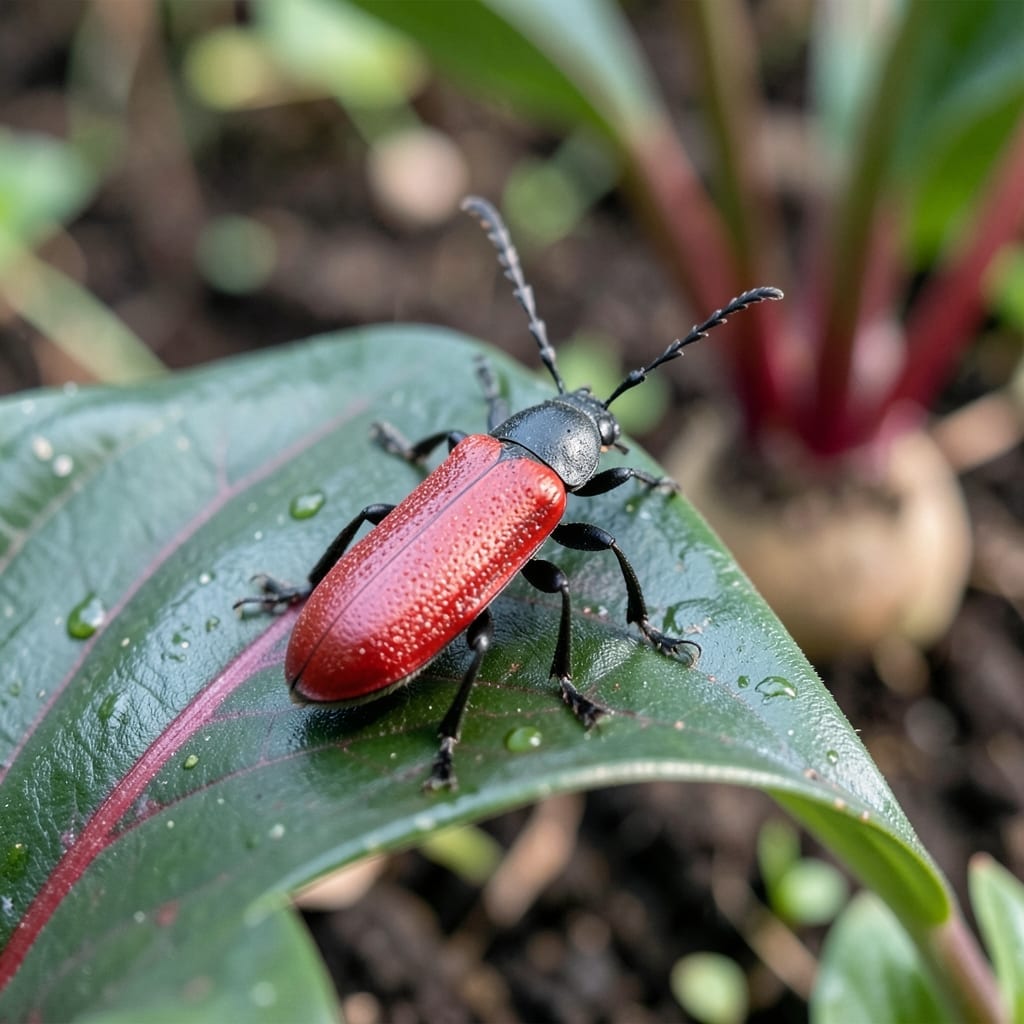
These bright red invaders destroyed half my lilies last summer. Scarlet lily beetles aren’t just pretty—they’re voracious, chewing through leaves, buds, and flowers at alarming speed.
I learned the hard way that early detection is everything. Look for orange larvae covered in their own feces or adults feeding on the undersides of leaves. A single beetle can defoliate a plant in days.
Handpicking works surprisingly well if you’re diligent. Drop them in soapy water—they’re fast fliers, so act quickly. For larger infestations, neem oil disrupts their life cycle without harming beneficial insects.
Prevention is simpler than you think. Clean up plant debris in fall and check new lily purchases carefully. They’ll return every year, but you can stay ahead of them.
The scarlet lily beetle (Lilioceris lilii) is a persistent garden pest that targets true lilies (Lilium spp.) and fritillaries (Fritillaria spp.). Its presence is no accident—these beetles are drawn to your plants for specific biological and environmental reasons. Understanding these triggers helps you disrupt their lifecycle and protect your garden.
Scarlet lily beetles are highly specialized feeders. They rely on chemical cues from lilies and fritillaries to locate their hosts. The beetles detect volatile organic compounds (VOCs) emitted by these plants, which signal a suitable food source for both adults and larvae. If you grow these plants, the beetles will find them—often within days of emergence in spring.
These pests thrive in temperate climates with mild summers. Adult beetles overwinter in soil or leaf litter and become active when temperatures consistently reach 50°F (10°C). Warmer springs can accelerate their lifecycle, leading to earlier and more aggressive infestations. Regions with humid summers also see higher reproductive success, as moisture supports larval survival.
In their native range (Europe and Asia), scarlet lily beetles have natural predators like parasitic wasps. However, in North America and other introduced regions, they face few threats. Without these checks, populations explode unchecked. Gardens become ideal breeding grounds when no birds, insects, or pathogens regulate their numbers.
Scarlet lily beetles can wreak havoc on your lilies and fritillaries, but you can fight back with these targeted solutions. Here’s how to tackle each issue head-on:
Check your plants daily, especially the undersides of leaves. Drop beetles and orange larvae into a bucket of soapy water to drown them. Early morning is the best time—they’re sluggish and easier to catch. Wear gloves if their defensive fluids irritate your skin.
Mix 1–2 tablespoons of neem oil per gallon of water with a few drops of dish soap as an emulsifier. Spray thoroughly on both sides of leaves, targeting larvae and eggs. Reapply every 5–7 days or after rain for ongoing protection.
Lay fine mesh netting over plants in early spring to block adults from laying eggs. Secure it tightly to prevent gaps. Remove netting once flowering starts to allow pollinators access.
Consistency is key—combine methods for the best results!
Handpicking in early morning works best. Drop adults and larvae into soapy water immediately. They’re less active then, making them easier to catch.
Neem oil disrupts the life cycle, including eggs and larvae. Spray every 5-7 days for full effectiveness. It’s safe for beneficial insects when used as directed.
They overwinter in soil and return to the same plants. Remove garden debris in fall and rotate planting locations to break the cycle.
Chemicals work but may harm pollinators. If using, choose targeted products and apply at dusk when bees are less active.