
Beautiful Plants For Your Interior
Beautiful Plants For Your Interior
Those little mounds in your yard mean prairie dogs have moved in. I’ve dealt with my share of these burrowing visitors, and I know how quickly they can transform a manicured lawn into a moon-like landscape.
Here’s the thing—they’re not just digging for fun. Prairie dogs create complex tunnel systems that can undermine patios, fences, and even foundations if left unchecked. The good news is you can encourage them to relocate without harm.
With the right approach, you’ll reclaim your space while keeping the ecosystem intact. The key is persistence and understanding their behavior—what repels them naturally and what makes your property less appealing.
Works for rural properties, suburban yards, or anywhere these critters decide to set up camp. Let’s start with what actually pushes them out.
Prairie dogs are highly social rodents that thrive in open grasslands, but their expansion into yards, farms, and urban areas is driven by several key factors. Understanding these causes helps in addressing the root of the problem effectively.
As natural grasslands shrink due to agricultural development, construction, and urban expansion, prairie dogs lose their native habitats. This forces them to seek new areas with soft soil for burrowing and abundant food sources, often leading them to lawns, pastures, or even golf courses. Their burrowing instincts are strong, and they’ll colonize any space that mimics their natural environment.
Prairie dogs are herbivores, primarily feeding on grasses, seeds, and vegetation. Over-fertilized lawns, gardens, or agricultural fields provide an all-you-can-eat buffet, attracting colonies quickly. If your property has lush, well-watered plants, it’s essentially rolling out a welcome mat for these rodents.
These animals prefer loose, well-drained soil for digging their elaborate tunnel systems. Areas with sandy or loamy soil are prime real estate for prairie dog towns. Compacted or clay-heavy soil may deter them, but if your land offers easy digging, they’ll move in and multiply rapidly.
In the wild, prairie dogs face threats from coyotes, badgers, and birds of prey. However, in suburban or farm settings, these predators are often absent or controlled, allowing prairie dog populations to grow unchecked. Without natural population control, their colonies can expand to hundreds of individuals, causing significant damage.
Prairie dogs can be persistent, but with the right approach, you can reclaim your yard. Here’s how to address the issue based on the root cause:
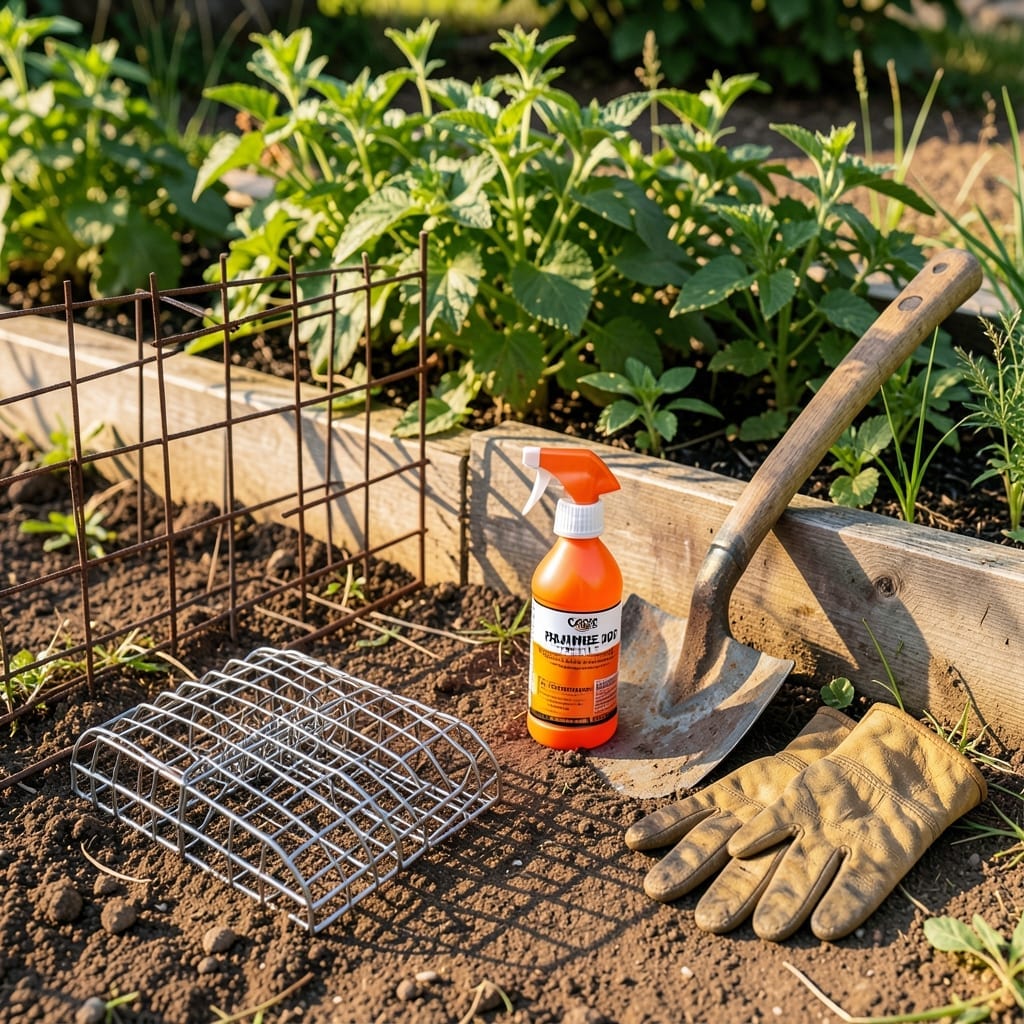
If prairie dogs have taken over, use live traps to capture them. Place traps near burrow entrances with bait like fresh veggies or fruit. Once trapped, relocate them to a designated wildlife area at least 5 miles away to prevent their return. Wear gloves to avoid transferring human scent.
Prairie dogs are drawn to gardens and lawns. Secure compost bins, avoid leaving pet food outside, and use wire mesh to protect vegetable patches. Switch to prairie dog-resistant plants like lavender or marigolds, which they tend to avoid.
💡 Pro Tip: Install motion-activated sprinklers—the sudden spray startles them and keeps them away without harm.
If they’re digging under sheds, decks, or patios, bury hardware cloth (1/4-inch mesh) at least 2 feet deep around the perimeter. For existing tunnels, fill them with gravel or rocks to discourage re-entry. Regularly inspect for new activity.
✨ Bonus: Encourage natural predators like hawks or owls by adding perches or nesting boxes to your property.
They rarely attack but can carry fleas or diseases like plague. Keep pets away from burrows and check them for fleas after outdoor time.
Tunnels can extend 3-5 feet deep and stretch 10-15 feet long. This depth helps them avoid predators and extreme temperatures.
Temporarily, but they’ll adapt. Move the owl frequently and combine with other deterrents like motion sprinklers for best results.
Females give birth to 3-8 pups annually. Colonies can double in size within a year if left unchecked.