
Beautiful Plants For Your Interior
Beautiful Plants For Your Interior
Your backyard might be hiding dangerous plants for your furry friend. These ten common varieties can cause serious health issues for dogs if ingested, so it’s crucial to identify and remove them from your outdoor spaces.
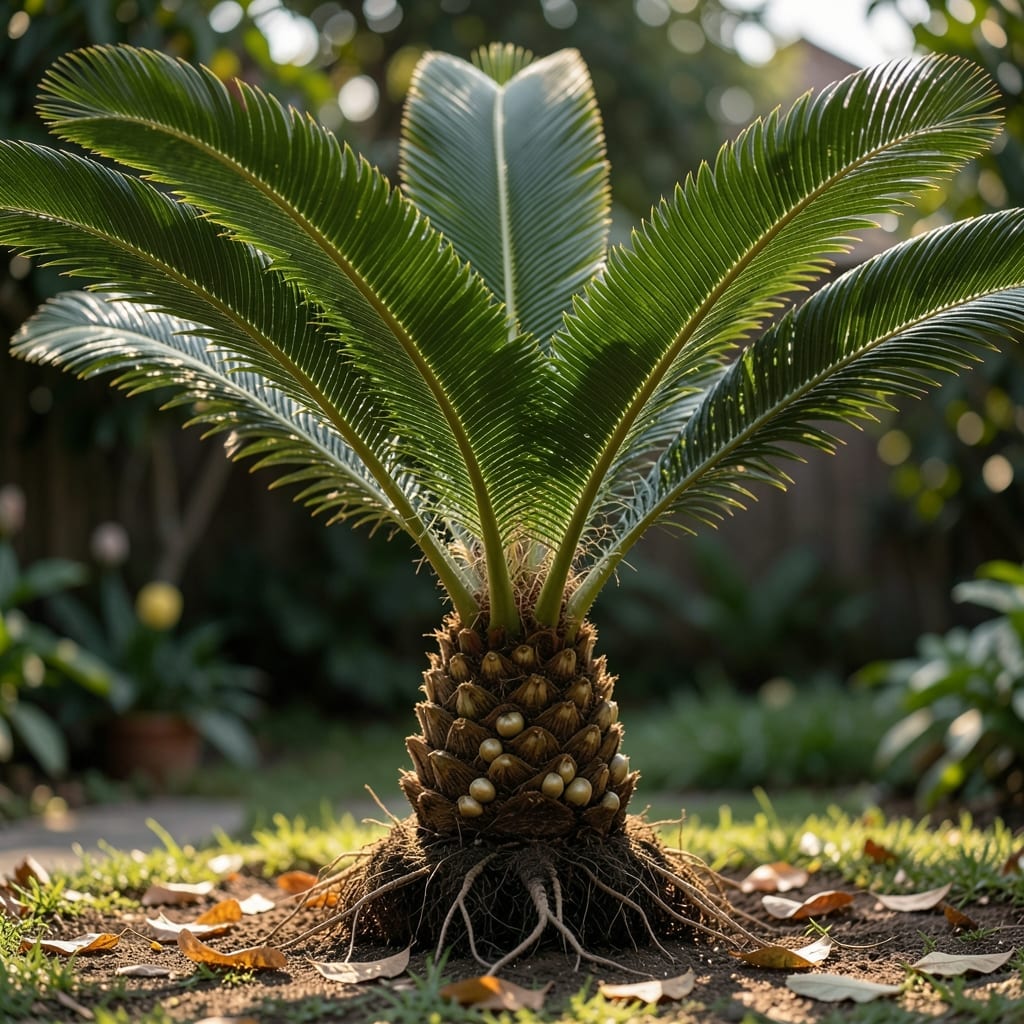
If you have a dog, sago palm should be at the top of your removal list. This popular landscape plant is deceptively dangerous, with every part—leaves, seeds, and roots—containing cycasin, a toxin that causes severe liver failure in dogs.
Even a small nibble can trigger vomiting, seizures, or worse. Symptoms may take 12-24 hours to appear, but by then, irreversible damage can occur. Unlike some plants where only certain parts are toxic, sago palm offers no safe sections.
Dog owners should prioritize its removal immediately and consider pet-safe alternatives like palm-type plants that are non-toxic. 🌿
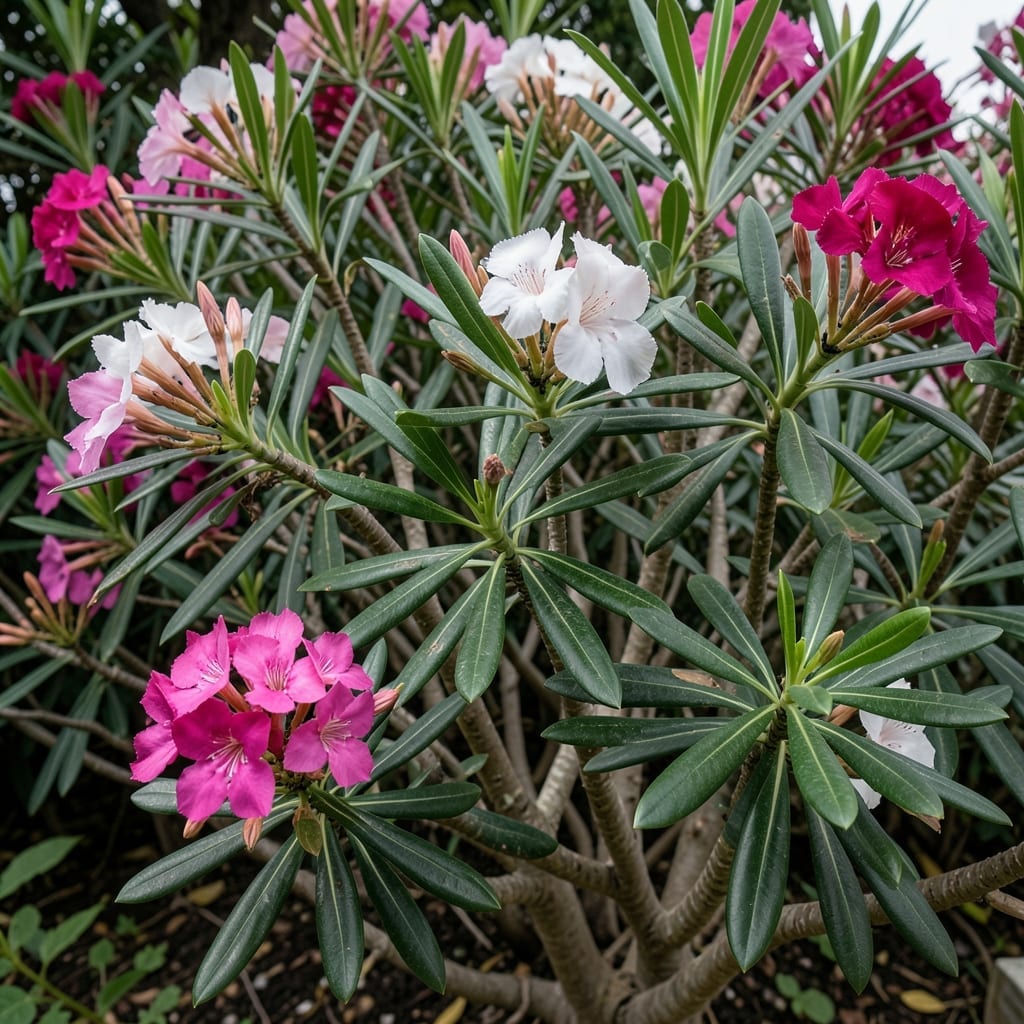
That stunning oleander bush with its vibrant blooms might be the most dangerous plant in your yard for your dog. Every part of this popular ornamental shrub—leaves, flowers, stems, and even the sap—contains cardiac glycosides that can trigger fatal heart issues.
What makes it especially treacherous is the toxicity extends to the water in a vase holding cut oleander stems. Even a small amount ingested can cause severe symptoms like irregular heartbeat, vomiting, or worse. If you have curious pups, this is one plant to remove immediately.
Dog owners in warm climates should be particularly vigilant, as oleander thrives in Mediterranean-like conditions and is commonly used in landscapes. 🌿
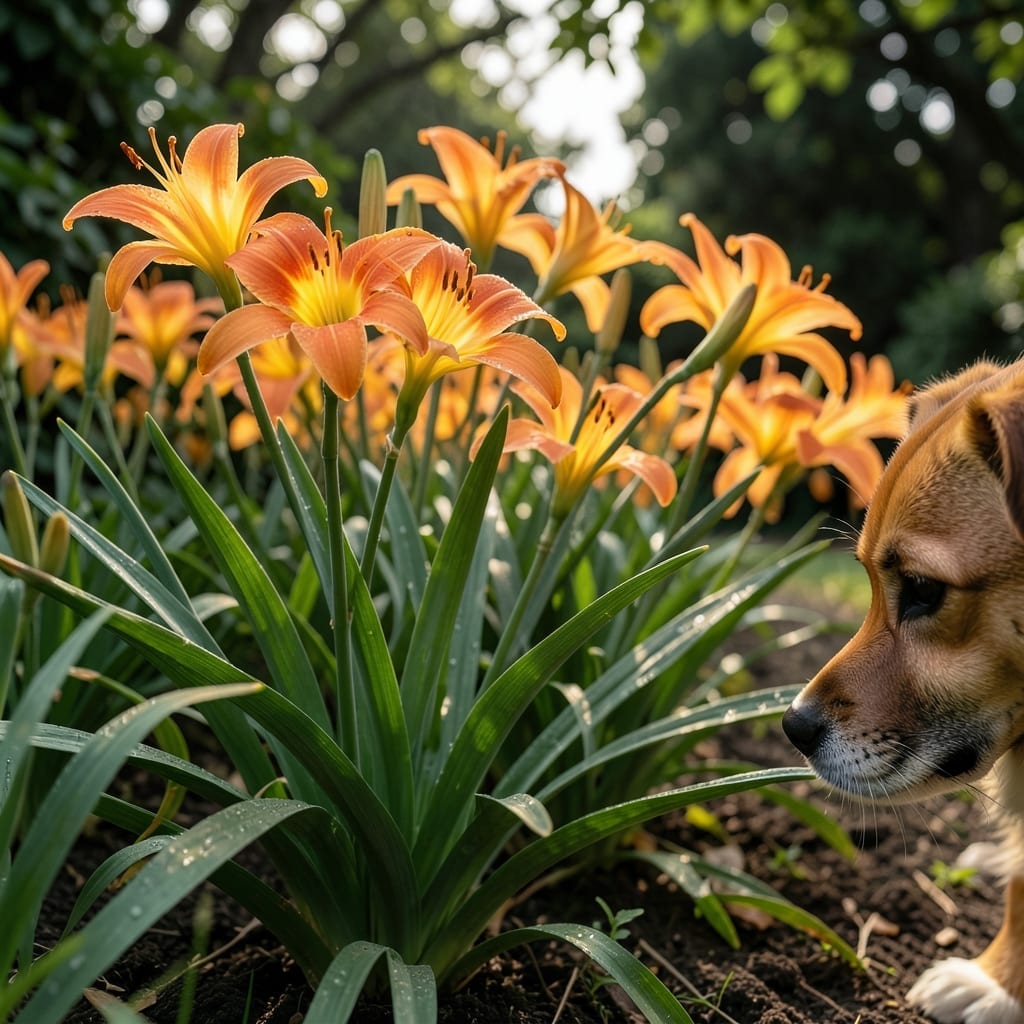
Don’t let the beauty of daylilies fool you—these vibrant bloomers pose a serious threat to your canine companion. Unlike their reputation for endangering cats, certain lily species can trigger kidney failure in dogs if ingested.
Even small amounts of plant material can lead to severe symptoms like vomiting, lethargy, or loss of appetite. If you suspect your dog has nibbled on lilies, seek immediate veterinary care—time is critical for treatment.
Dog owners with flower beds should prioritize removing these plants or fencing them off. A little precaution keeps your garden safe and your pup healthy. 🌿
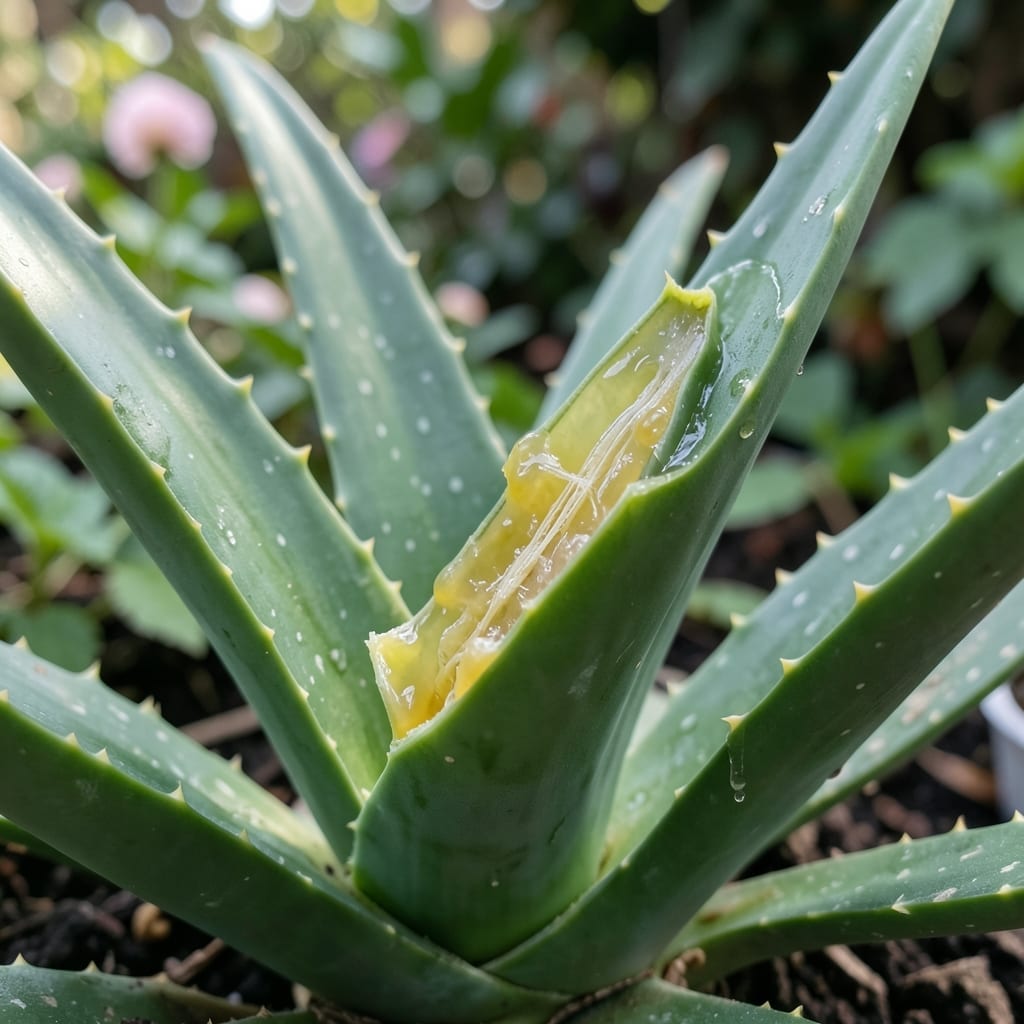
Your beloved aloe vera plant might be more dangerous than you think. While its gel is a soothing remedy for your sunburns, the latex layer just beneath the skin harbors saponins that can trigger severe digestive upset in dogs.
If your pup chews on an aloe leaf, they may experience vomiting, diarrhea, or even lethargy. The risk is highest with raw leaves, so keep potted aloe out of your dog’s reach, especially in homes with curious pups.
This makes aloe a sneaky hazard for pet owners who assume its healing properties extend to their furry friends. 🌿
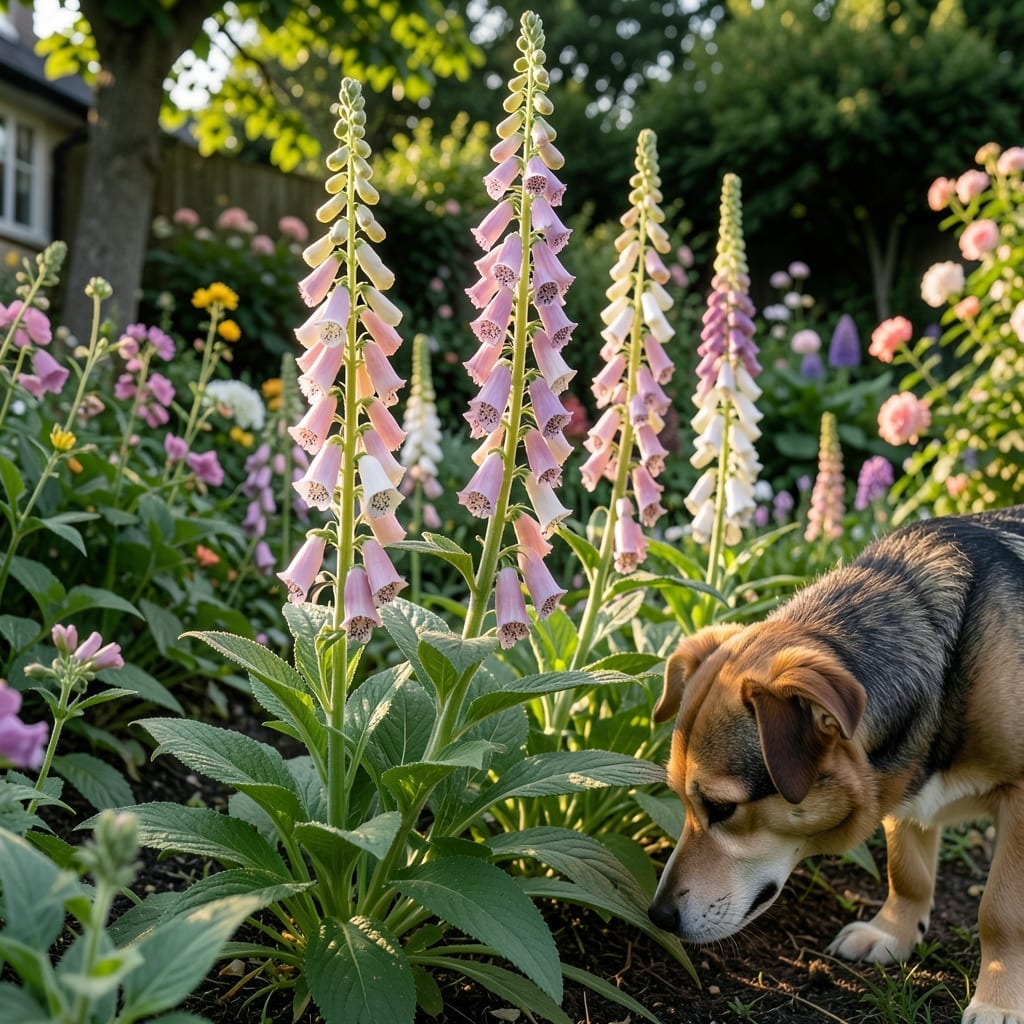
Those charming foxglove spires in your cottage garden might be causing more harm than good. Every part of this plant contains digitalis glycosides, compounds that directly affect heart function in dogs.
Even a small nibble can trigger irregular heartbeat, weakness, or worse—complete cardiac failure. Symptoms often appear within hours, making quick identification and removal critical for pet owners. The tall, bell-shaped flowers are particularly enticing to curious pups.
If you have dogs, it’s best to admire foxgloves from a distance—or better yet, replace them with pet-safe alternatives. 🌿
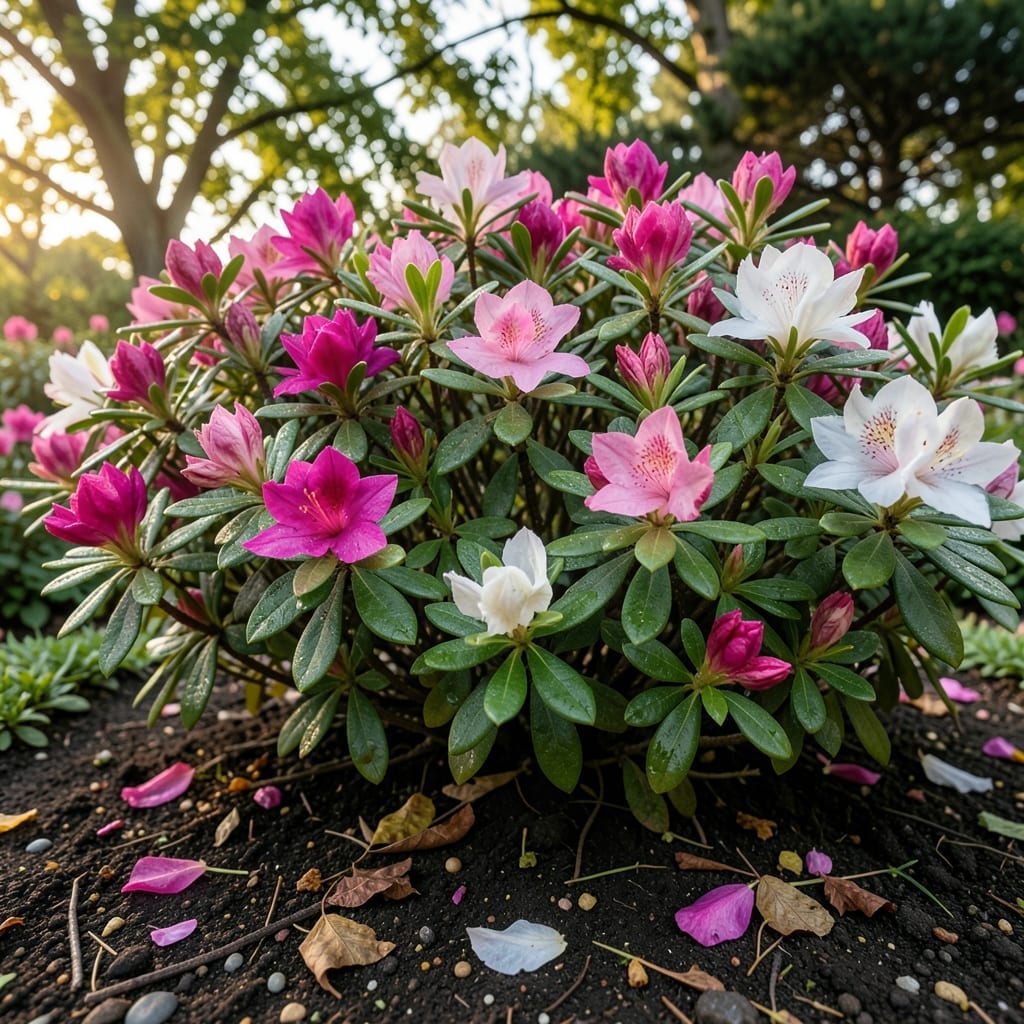
Those vibrant azalea bushes lighting up your spring garden might be hiding a serious risk for your dog. Every part of this popular ornamental contains grayanotoxins, which can trigger immediate vomiting, excessive drooling, and weakness.
Even small amounts of leaves or flowers can cause cardiovascular issues or coma in severe cases. Symptoms typically appear within a few hours of ingestion, so quick action is critical. Dog owners should remove azaleas entirely or fence them off completely.
This plant is especially dangerous because it’s so common in landscapes. If you suspect your dog has nibbled any part, contact your vet immediately. 🌿
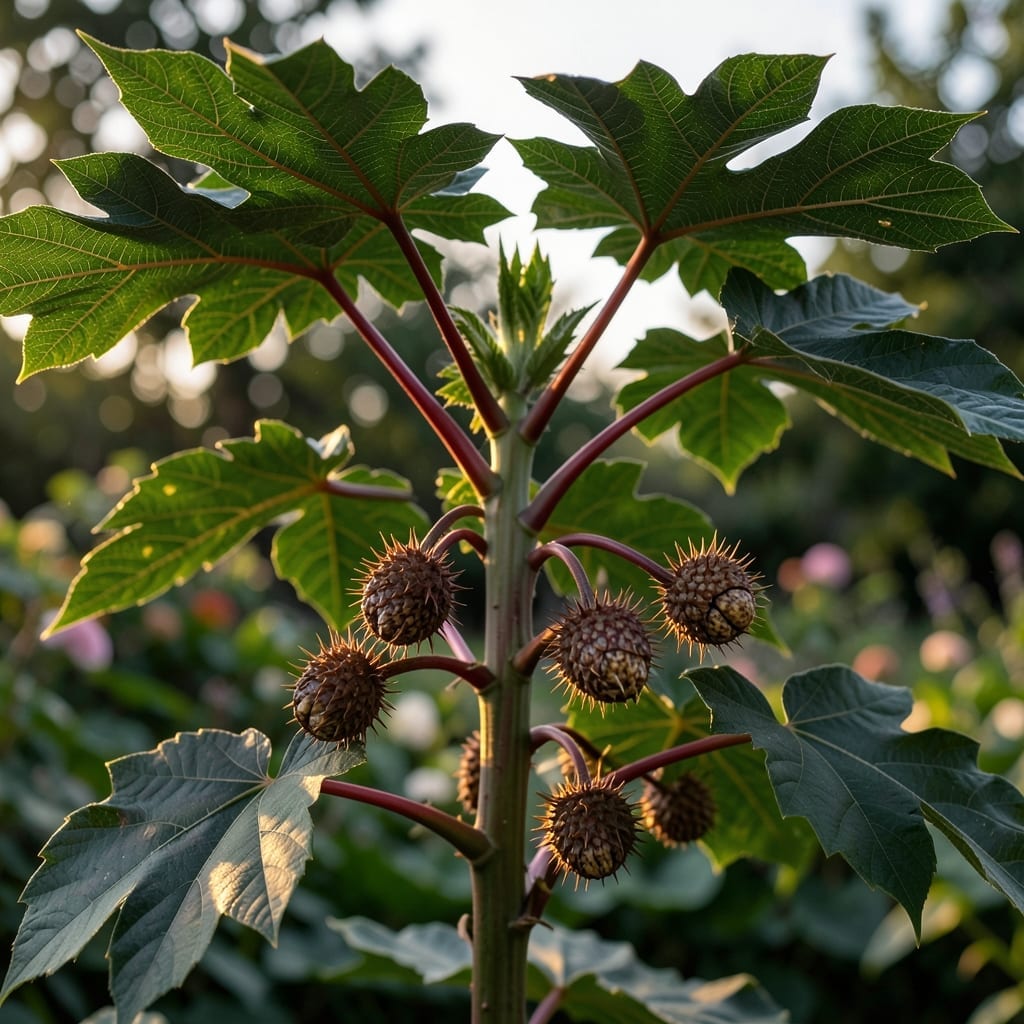
That striking castor bean plant with its bold foliage might be the most dangerous addition to your garden. Hidden inside its spiky seed pods is ricin, one of nature’s most potent toxins—just a single seed can be fatal to your dog.
The entire plant is toxic, but the seeds contain the highest concentration. Symptoms like vomiting, diarrhea, and seizures can appear within hours, and without immediate treatment, the outcome can be tragic. This isn’t a plant to take chances with.
If you have dogs, remove castor bean plants immediately and dispose of them carefully to prevent accidental ingestion. Your pup’s safety is worth the effort. 🌿
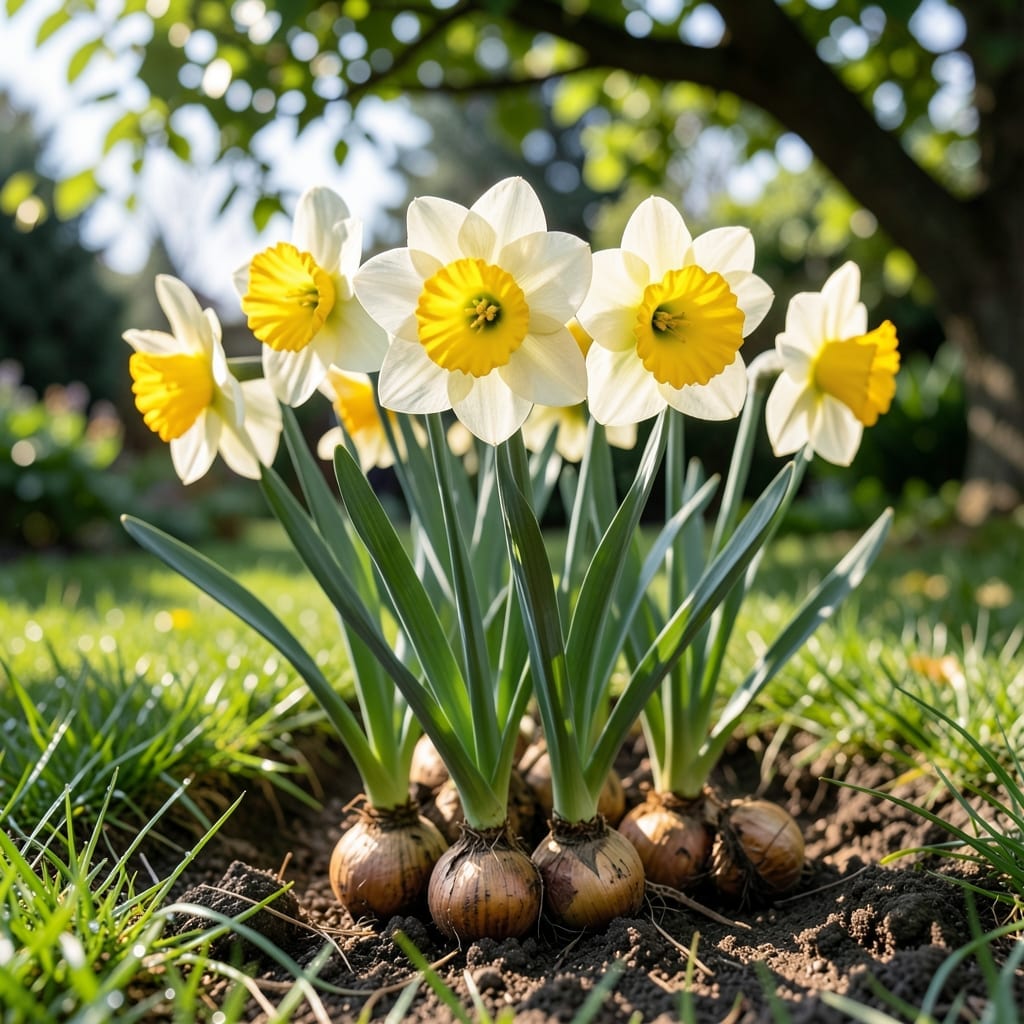
Those cheerful daffodils in your spring garden might be signaling more than just the end of winter. Their bulbs contain alkaloids that can cause severe vomiting, diarrhea, and even cardiac abnormalities if your dog decides to dig them up for a snack.
All parts of the plant are toxic, but the bulbs hold the highest concentration of these harmful compounds. Symptoms can appear quickly, making it essential to keep curious pups away from these early bloomers.
Dog owners should consider removing daffodils or planting them in areas inaccessible to pets. A little precaution keeps your garden vibrant and your furry friend safe. 🌿
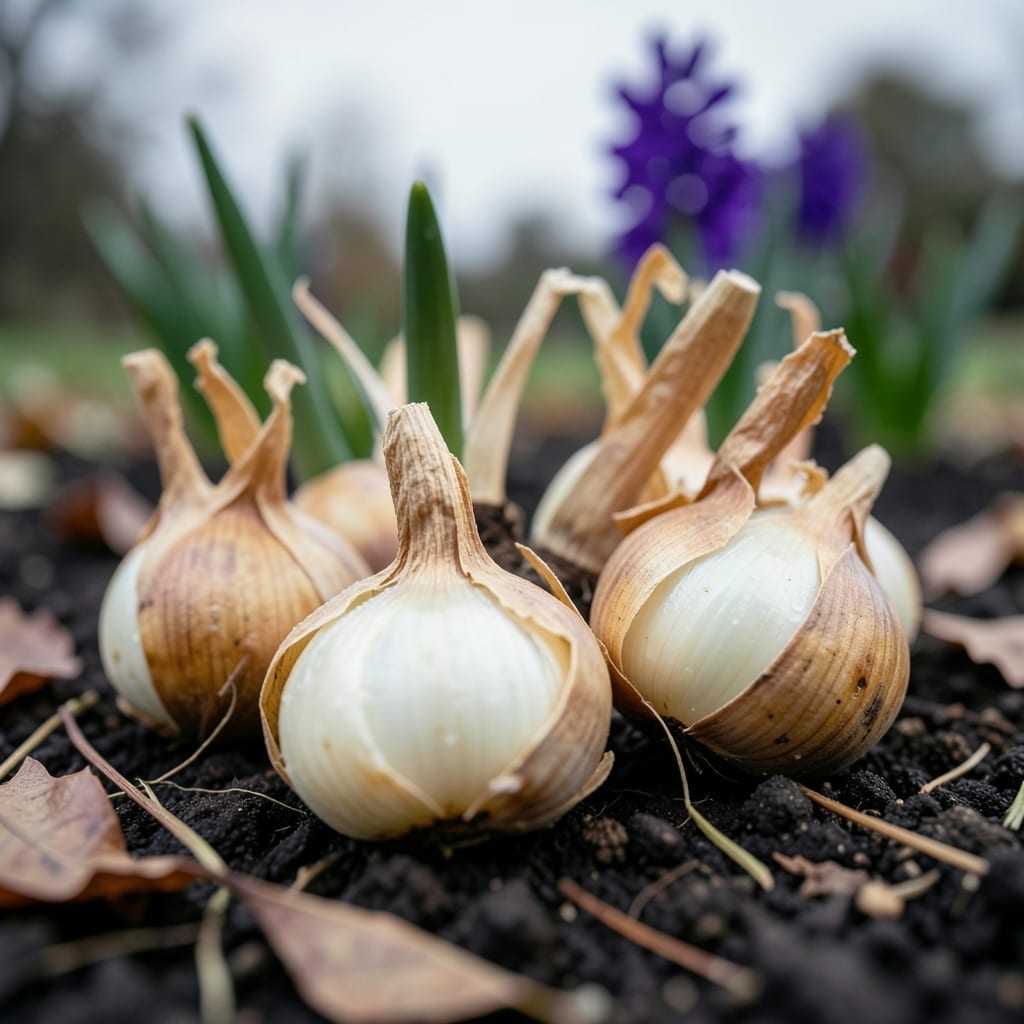
Those fragrant hyacinth bulbs you plant in fall for spring blooms pack a hidden danger for dogs. The bulbs contain calcium oxalate crystals that cause immediate, painful oral irritation upon contact, leading to excessive drooling and vomiting.
Unlike some plants where only certain parts are toxic, the entire hyacinth bulb is hazardous. Even digging in the soil where bulbs are planted can expose your pup to these irritating crystals. The symptoms appear quickly, often within minutes of contact or ingestion.
Dog owners who plant spring bulbs should either avoid hyacinths entirely or use protective barriers to keep curious pups away from the planting area. 🌿
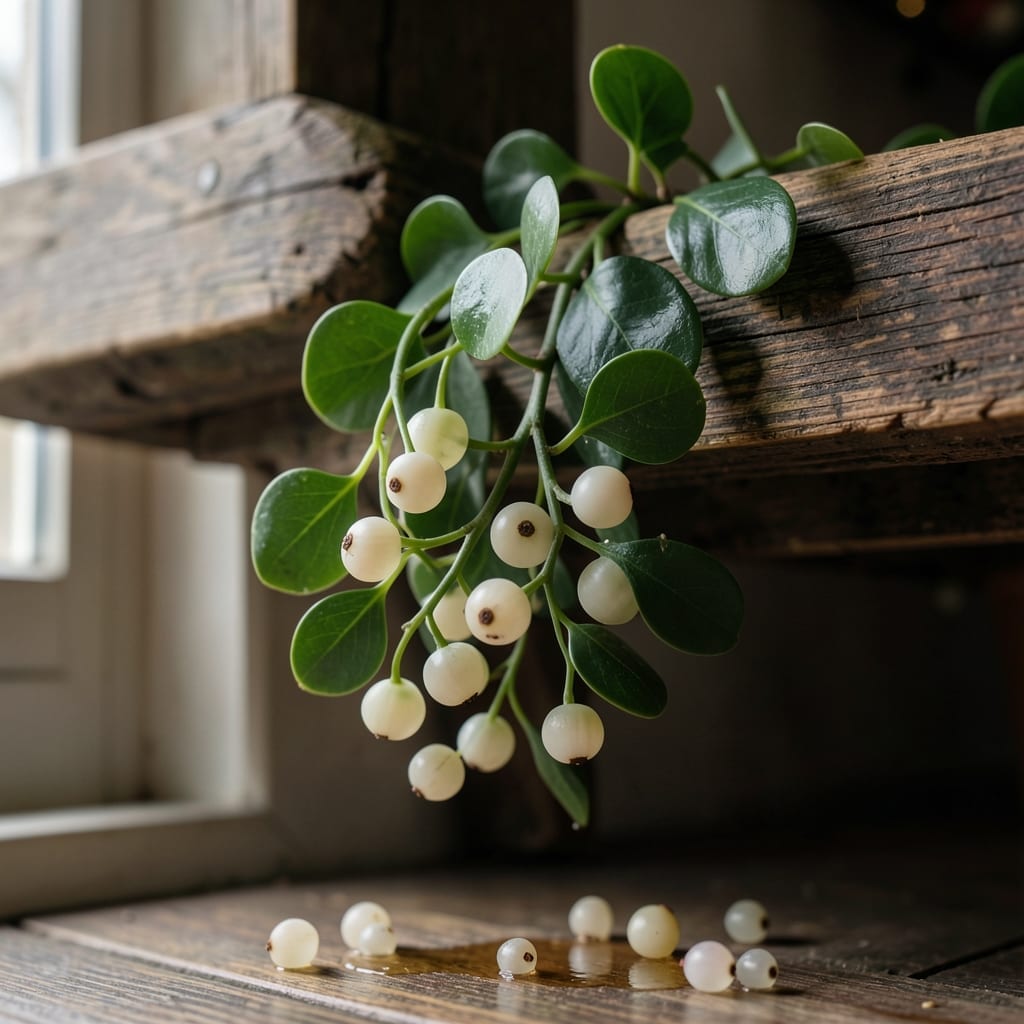
That festive mistletoe you hang for holiday kisses could be a hidden hazard for your dog. This seasonal plant contains toxalbumins that can trigger serious health issues if ingested by your furry friend.
Even small amounts can cause gastrointestinal upset, including vomiting and diarrhea, while larger quantities may lead to cardiovascular problems like low blood pressure or irregular heartbeat. Symptoms often appear within hours, making quick action essential.
Dog owners should keep mistletoe out of reach or opt for artificial versions. During the holidays, your pup’s safety is just as important as the festive cheer. 🌿