
Beautiful Plants For Your Interior
Beautiful Plants For Your Interior
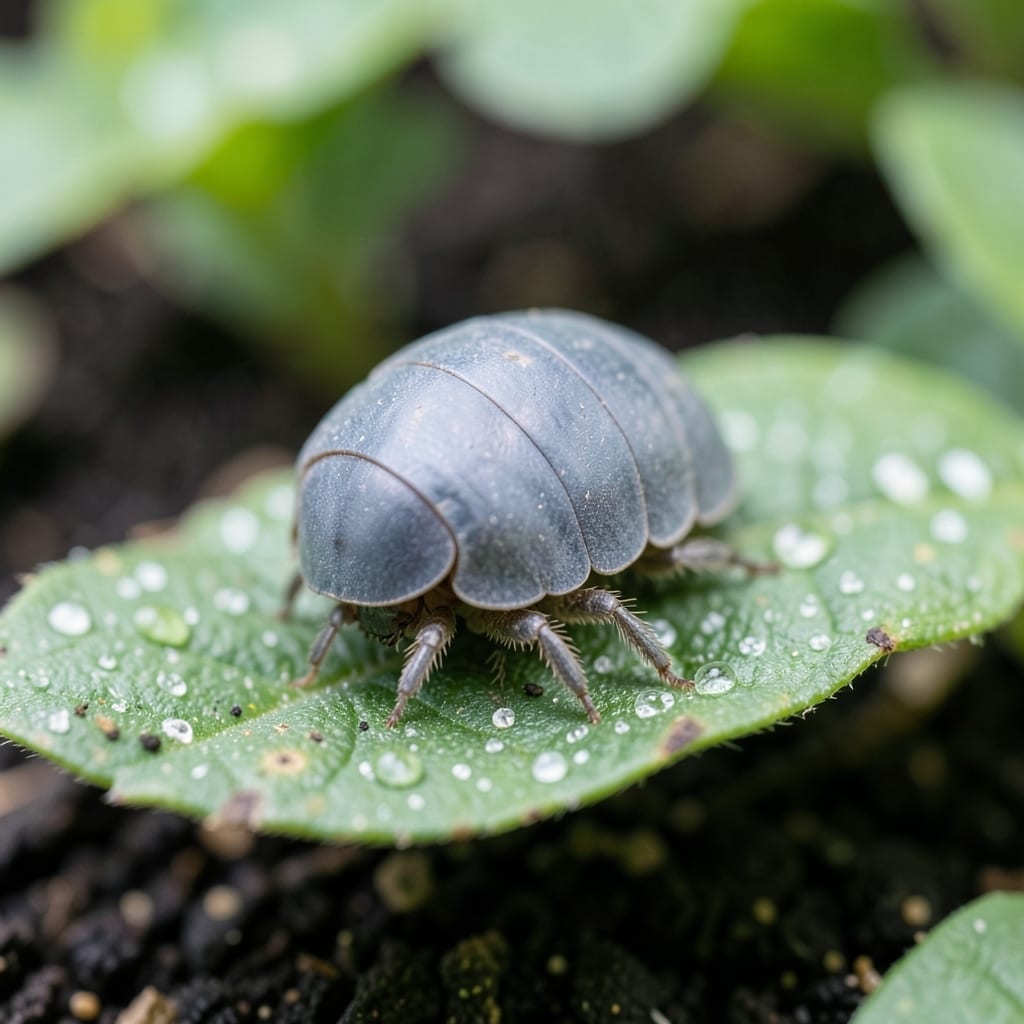
Those little armored bugs under my pots had me stumped for years. Pill bugs aren’t pests—they’re nature’s recyclers, but too many can harm young plants.
I learned they thrive in damp, dark spots with decaying matter. The fix isn’t poison—it’s adjusting their habitat. Simple changes like reducing moisture and clearing debris make a huge difference.
Natural deterrents work best: crushed eggshells, diatomaceous earth, or even a beer trap. These methods protect your garden without harming the ecosystem.
Prevention is key. Keep your space tidy, fix leaks, and store compost properly. A balanced approach keeps pill bugs in check and your plants thriving.
Pill bugs, also known as roly-polies or woodlice, thrive in specific conditions that make your garden or home an inviting habitat. Understanding these causes can help you address the root of the problem. Here’s why they appear:
Pill bugs are crustaceans, not insects, and require damp environments to survive. They lose moisture rapidly in dry conditions, so they gravitate toward overwatered soil, mulch, or decaying organic matter that retains moisture. Poor drainage, leaky pipes, or excessive irrigation create the perfect breeding ground.
These creatures feed on decomposing plant material, such as leaf litter, rotting wood, and compost piles. A garden rich in untreated organic debris or a cluttered yard with piles of leaves and grass clippings will attract them. They play a role in breaking down dead matter but can become a nuisance in large numbers.
Pill bugs avoid light and prefer hidden, shaded areas like under rocks, logs, or dense ground cover. They also seek shelter in basements, crawl spaces, or beneath outdoor furniture. These spots provide protection from predators and the elements, encouraging them to settle and multiply.
While mulch helps retain soil moisture, excessive layers (especially wood or straw mulch) can trap too much water and create a pill bug paradise. Thick mulch also slows evaporation, maintaining the dampness they crave. Balance is key—keep mulch layers thin (2–3 inches) and well-aerated.
Pill bugs thrive in damp, dark environments, but a few targeted changes can send them packing. Below are practical solutions mapped to the most common causes, along with prevention tips to keep them from returning.
Pill bugs love wet soil and decaying matter. Fix it: Ensure your garden has proper drainage by mixing in sand or gravel. Use raised garden beds if your soil stays soggy. Prevent it: Water plants in the morning to allow soil to dry by evening, and avoid overwatering.
Leaves, mulch, and rotting wood create ideal pill bug habitats. Fix it: Clear out leaf litter, old mulch, and wood piles near your garden. Compost piles should be kept far from planting areas. Prevent it: Regularly rake up fallen leaves and keep your garden beds tidy.
Pill bugs sneak into homes through cracks and gaps. Fix it: Seal foundation cracks with caulk and install door sweeps. Store firewood and cardboard boxes off the ground and away from your home. Prevent it: Inspect your home’s exterior seasonally for new entry points.
Dense vegetation traps moisture and shades the soil, attracting pill bugs. Fix it: Thin out overgrown plants and prune low-hanging branches to increase airflow. Prevent it: Space plants properly during planting to reduce humidity buildup.
💡 Pro Tip: Diatomaceous earth is a natural, non-toxic powder that dehydrates pill bugs on contact. Sprinkle it around garden beds or entry points for an extra layer of protection!
They rarely damage healthy plants but may nibble on young seedlings or decomposing matter. Their presence often signals excess moisture.
Pill bugs lay 20-200 eggs at a time, hatching in 3-4 weeks. Warm, damp conditions speed up their life cycle.
It dehydrates them within 24-48 hours of contact. Reapply after rain for best results.
Yes! Gather them with a damp cloth and move to a compost pile or wooded area. They’ll thrive there.