
Beautiful Plants For Your Interior
Beautiful Plants For Your Interior
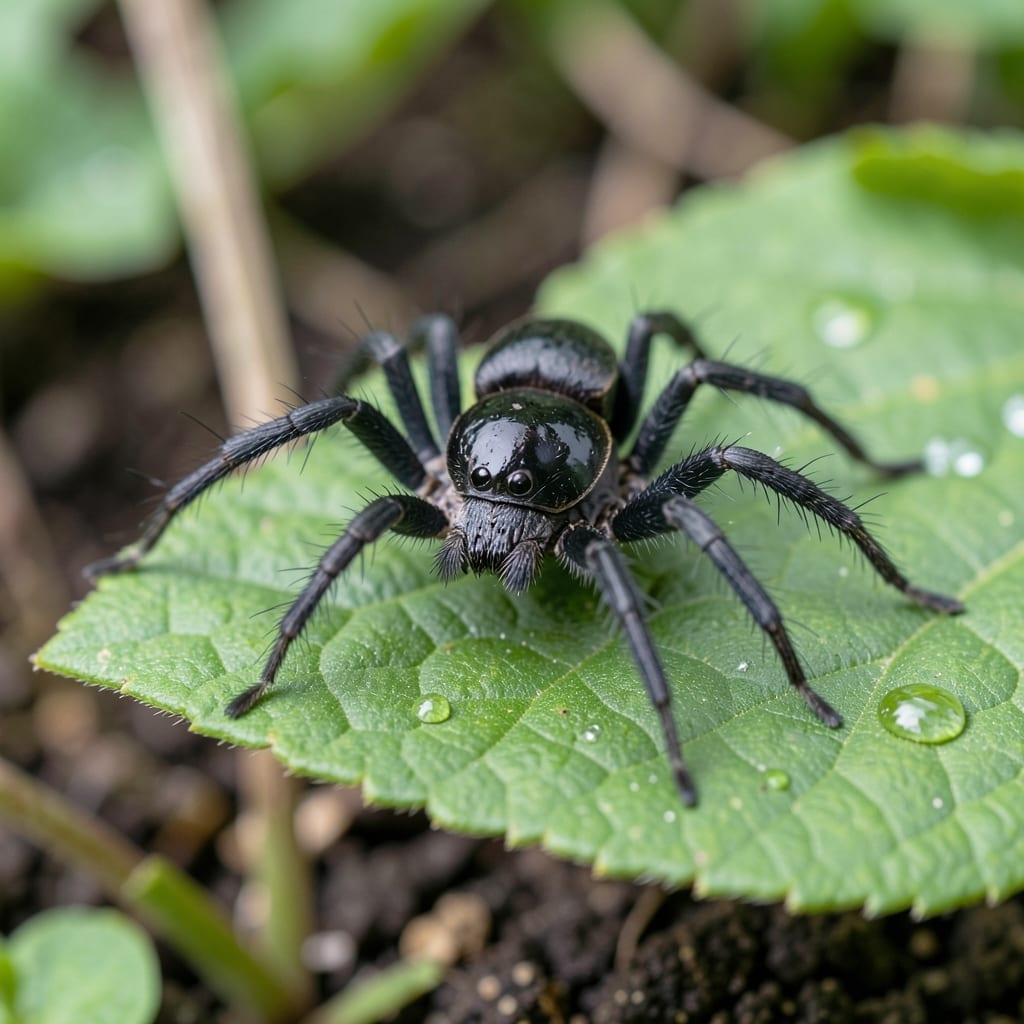
I used to find spider webs on my porch every morning. Then I discovered natural ways to encourage them to relocate without harsh chemicals.
Peppermint oil, citrus peels, and cedar mulch create scents they avoid. These solutions are safe for plants, pets, and pollinators while keeping your outdoor space spider-free.
Regular cleanup of debris and outdoor lighting adjustments help too. The key is consistency—reapply natural deterrents every 2-3 weeks for best results.
You’ll notice fewer webs within days, and your garden ecosystem stays balanced. No spiders harmed, just gently persuaded to move on.
Understanding why spiders take up residence outdoors helps you tackle the issue at its root. Here’s a breakdown of the most common causes, backed by science and observation.
Spiders are predators, and they’re drawn to areas rich in their prey: insects. If your yard is teeming with mosquitoes, flies, aphids, or beetles, spiders will follow. Outdoor lights at night attract bugs, which in turn attract spiders. Tip: Reducing other insect populations naturally (e.g., removing standing water or using citronella) can make your space less appealing.
Spiders seek out dark, undisturbed corners to build webs or nests. Piles of leaves, woodpiles, dense shrubs, and cluttered garages provide perfect hideouts. Even gaps in siding or cracks in foundations offer entry points. Regularly clearing debris and sealing crevices can significantly reduce their appeal.
Many spider species thrive in damp environments. Overwatered lawns, leaky hoses, or poor drainage create the humid conditions they love. Fixing leaks, improving drainage, and keeping mulch away from your home’s foundation can make your outdoor space less hospitable.
As temperatures drop in fall, spiders often seek warmer spots to survive. Outdoor structures like sheds, patios, or even the exterior walls of your home can become temporary shelters. Similarly, in hot, dry climates, they may gravitate toward shaded, moist areas. Seasonal maintenance, like sealing entry points before autumn, can help deter them.
Outdoor spiders can be managed effectively without harsh chemicals. Here’s how to tackle the most common causes and keep them away for good:
Spiders love dark, undisturbed areas like woodpiles, leaf litter, and storage boxes. Clear debris from your yard, including stacks of firewood (keep it at least 20 feet from your home). Store outdoor items in sealed containers, and trim overgrown bushes to reduce hiding spots. Prevention tip: Regularly sweep porches, patios, and garage corners to disrupt webs before they form.
Outdoor lights draw insects, which in turn attract spiders. Replace white bulbs with yellow or sodium vapor lights—they’re less appealing to bugs. For extra protection, install lights away from entry points or use motion-sensor lighting to limit exposure. Prevention tip: Turn off unnecessary lights at night to reduce the buffet for spiders.
Spiders dislike strong scents like peppermint, citrus, or tea tree oil. Mix 10-15 drops of essential oil with a cup of water in a spray bottle, and apply to windowsills, doorframes, and cracks. Reapply every 2-3 weeks or after rain. Prevention tip: Plant spider-repelling herbs like lavender, eucalyptus, or mint near entryways for a long-term barrier.
Inspect your home’s exterior for cracks in walls, gaps under doors, or holes in screens. Seal them with caulk, weather stripping, or fine mesh. Pay special attention to utility lines and vents—spiders can squeeze through tiny spaces. Prevention tip: Install door sweeps and repair torn window screens to block easy access.
Pro tip: 🌟 A clean, well-maintained yard is your first line of defense. Combine these methods for a spider-free outdoor space—naturally!
Reapply essential oil sprays every 2-3 weeks or after rain. The oils break down quickly outdoors, so consistency is key for lasting protection.
No, natural deterrents like peppermint oil and citrus only affect spiders. They’re safe for bees, butterflies, and other pollinators that support your garden.
Skipping regular reapplication or using too weak a concentration. Always use 10-15 drops per cup of water and cover all entry points thoroughly.