
Beautiful Plants For Your Interior
Beautiful Plants For Your Interior
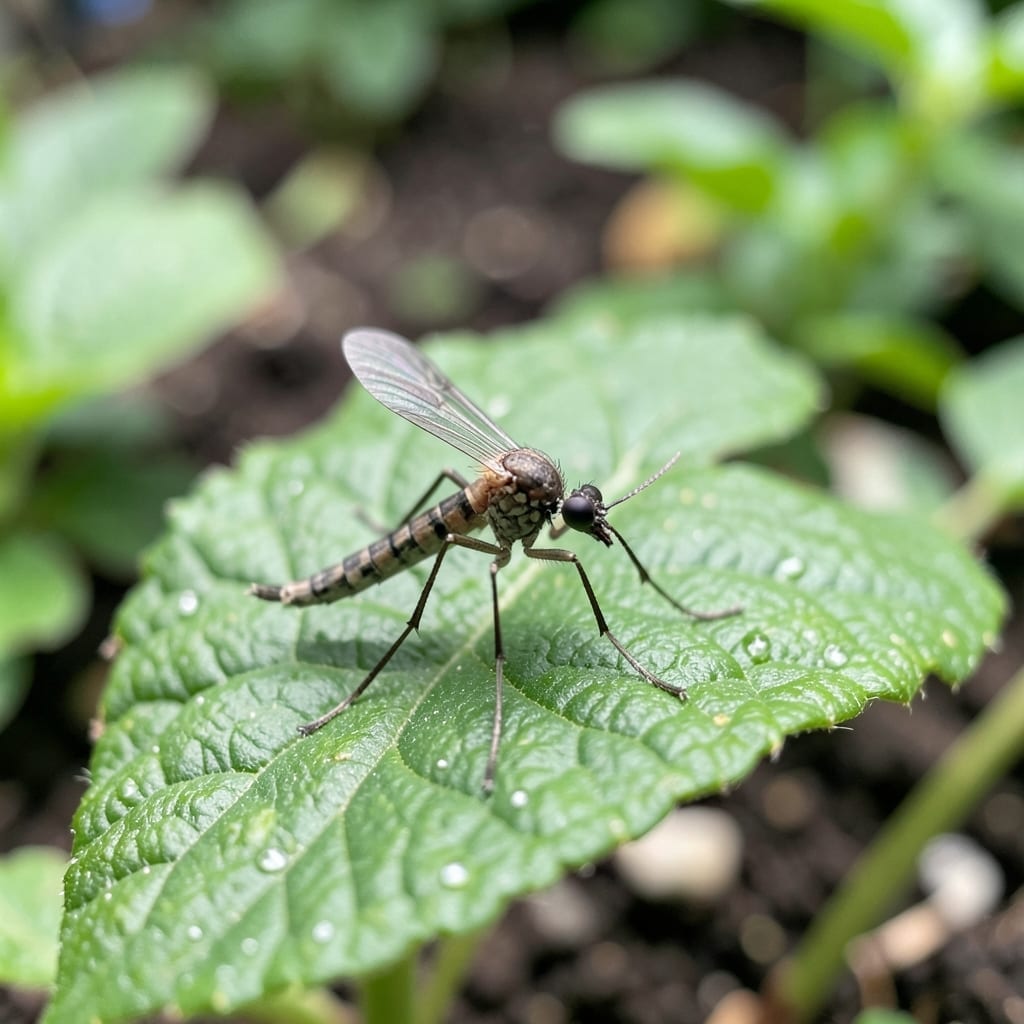
Mosquitoes turned my backyard into a no-go zone last summer. I fought back without chemicals, using simple tricks that actually worked—no more itchy bites or buzzing swarms ruining evening barbecues.
Standing water was my first enemy. Emptying flower pot saucers and cleaning gutters cut their breeding grounds by 80%. Then I added mosquito-repelling plants like citronella and lavender near seating areas.
Fans on the patio create a breeze they can’t navigate. Cedar mulch in garden beds does double duty—suppressing weeds and repelling pests. The yard stayed usable all season.
Best part? These methods protect pollinators while keeping your space comfortable. No harsh sprays, just smart prevention that maintains a healthy garden ecosystem.
Mosquitoes thrive in lawns due to a few key environmental conditions. Understanding these causes can help you target the root of the problem effectively.
Mosquitoes lay their eggs in stagnant water, as it provides the perfect habitat for larvae to develop. Common culprits in lawns include clogged gutters, birdbaths, old tires, or even small puddles from rain or irrigation. Even a bottle cap’s worth of water can become a breeding site for Aedes or Culex mosquitoes, which are common in residential areas.
Tall grass, dense shrubs, and untrimmed hedges create cool, shaded areas where adult mosquitoes rest during the day. These spots also retain moisture, making them ideal for survival. Mosquitoes like Aedes albopictus (Asian tiger mosquito) are particularly drawn to lush, overgrown lawns.
Mosquitoes are most active in warm, humid climates (typically above 50°F or 10°C). High humidity slows water evaporation, prolonging the lifespan of standing water. In regions with frequent rainfall or poor drainage, mosquito populations can explode within days.
Leaves, grass clippings, and other organic debris can trap moisture, creating mini breeding grounds. As this material decomposes, it releases nutrients that further support mosquito larvae development.
By addressing these factors, you can significantly reduce mosquito populations in your lawn.
Mosquitoes thrive in specific conditions, but with targeted fixes, you can reclaim your lawn. Here’s how to address the most common causes and prevent future infestations:
Mosquitoes breed in stagnant water, so eliminating these spots is your first line of defense. Fix: Empty and scrub birdbaths, plant saucers, and pet water bowls weekly. For larger areas like ponds or fountains, add a small pump to keep water moving or use Bacillus thuringiensis israelensis (Bti) dunks, a natural larvicide. Fill in low spots in your yard where water pools after rain.
Tall grass, dense shrubs, and leaf litter provide shade and moisture—perfect for mosquitoes. Fix: Mow your lawn regularly and trim bushes to allow sunlight and airflow. Rake up fallen leaves and clear gutters of debris. Consider planting mosquito-repelling plants like citronella, lavender, or rosemary near seating areas.
💡 Pro Tip: Keep your lawn at a height of 3–4 inches to discourage pests while maintaining healthy grass.
If your yard retains water due to poor drainage, it becomes a mosquito magnet. Fix: Extend downspouts to direct water away from your home’s foundation. Install French drains or use gravel in problem areas to improve water flow. For a quick solution, spread cedar mulch, which repels mosquitoes naturally.
Stagnant air traps moisture and heat, creating an ideal mosquito habitat. Fix: Use outdoor fans on patios or decks to disrupt their flight. Mosquitoes are weak fliers, so even a gentle breeze can deter them. Open up fenced areas to improve ventilation if possible.
Prevention Tips:
Inspect your yard weekly, especially after rain. Empty containers like flower pot saucers immediately. Even small amounts can breed mosquitoes in 7-10 days.
Yes, but best when crushed to release oils. Plant citronella, lavender, or rosemary near seating areas. Combine with other methods for best results.
Mosquitoes are weak fliers. A strong outdoor fan creates a breeze they can’t navigate. Perfect for patios and decks.
Bacillus thuringiensis israelensis (Bti) is highly effective and non-toxic. Use dunks in ponds or standing water. Safe for pets and wildlife.