
Beautiful Plants For Your Interior
Beautiful Plants For Your Interior
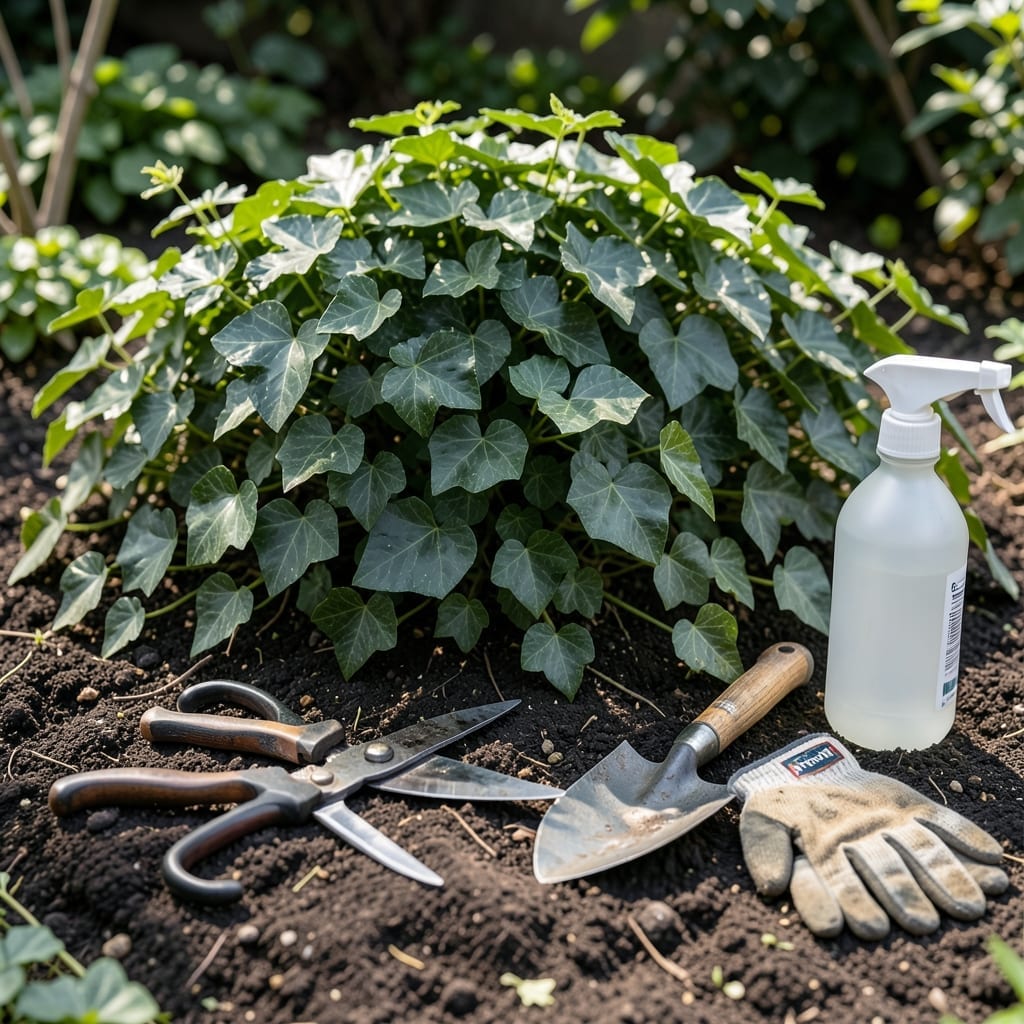
I spent last Saturday pulling ivy from my flower beds. It was stubborn, but I finally won. 🌱
Manual removal works best when you catch it early. I use a sharp spade to cut roots deep, then pull every runner I can find. It’s tedious, but it’s non-toxic and keeps my garden safe for kids and pets.
For tough patches, I smother it with cardboard and mulch. In 6-8 weeks, the ivy gives up. No chemicals, just persistence.
Prevention is simpler than you’d think. Regular checks and quick action stop ivy before it takes over. Here’s how to keep your yard clean for good.
Understanding why ivy spreads aggressively in your yard is the first step to reclaiming your space. Here are the most common causes:
English ivy (Hedera helix) and other invasive ivy species thrive due to their aggressive growth habits. These plants produce adventitious roots, allowing them to climb structures, trees, and fences while also spreading horizontally across the ground. Their ability to grow in low-light conditions and poor soil makes them highly adaptable, often outcompeting native plants for resources like water, sunlight, and nutrients.
In many regions, ivy has no natural predators or diseases to keep its growth in check. Unlike native plants that coexist with local herbivores or pathogens, ivy often spreads unchecked because local ecosystems haven’t evolved to control it. This lack of biological resistance allows it to dominate yards, gardens, and even forests.
Ivy often enters yards through intentional planting (e.g., as ground cover or for aesthetic purposes) or accidental introduction (e.g., via bird droppings or wind-blown seeds). Once established, it can spread rapidly through vegetative reproduction—even small fragments of ivy can root and grow into new plants. Poor yard maintenance, such as infrequent weeding or ignoring early signs of spread, further exacerbates the problem.
Once ivy takes hold, it spreads fast—but you can reclaim your yard with these targeted fixes. Below, we map common causes to practical, non-toxic solutions, plus prevention tips to keep it from coming back.
If ivy has run wild due to lack of maintenance, smothering works well for large patches. Cover the area with thick cardboard or layers of newspaper, then top with 3–4 inches of mulch. This blocks sunlight, weakening the plants over 4–6 weeks. For smaller areas, hand-pulling is effective—just be sure to remove all roots to prevent regrowth. Pro tip: 💡 Wear gloves and long sleeves to avoid skin irritation from ivy oils.
When ivy scales fences, trees, or walls, sever the vines at the base first to cut off their nutrient supply. Leave the upper portions to die naturally (pulling them down can damage surfaces). For stubborn stems, apply a vinegar-and-salt spray (1 gallon white vinegar + 1 cup salt + 1 tbsp dish soap) directly to the cut ends. Prevention: Install physical barriers like plastic tree guards or metal mesh to block future climbing.
In garden beds, ivy competes with your plants for nutrients. Dig out the roots carefully with a trowel or garden fork, especially in early spring when the soil is soft. For persistent patches, solarization can help: Cover the area with clear plastic for 4–6 weeks in hot weather to bake the roots. Prevention: Lay landscape fabric under new beds and mulch heavily to discourage ivy from taking root.
Remember: Consistency is key! Check your yard weekly for new shoots, and act fast to nip regrowth in the bud. 🎯
Vinegar can kill top growth but may not destroy deep roots. For best results, use undiluted white vinegar on sunny days and reapply weekly. Combine with salt for stronger effect, but avoid using near desired plants.
Remove all roots and runners, then cover the area with 3-4 inches of mulch or landscape fabric. Check weekly for new growth and pull immediately. Consistency prevents regrowth.
No, ivy can regrow from small pieces in compost. Dispose of it in yard waste bags or burn it if permitted. Never compost ivy with berries, as they can spread new plants.
For big areas, smother with cardboard and mulch for 4-6 weeks. This blocks sunlight and kills the plants. For faster results, combine with vinegar spray on visible growth.