
Beautiful Plants For Your Interior
Beautiful Plants For Your Interior
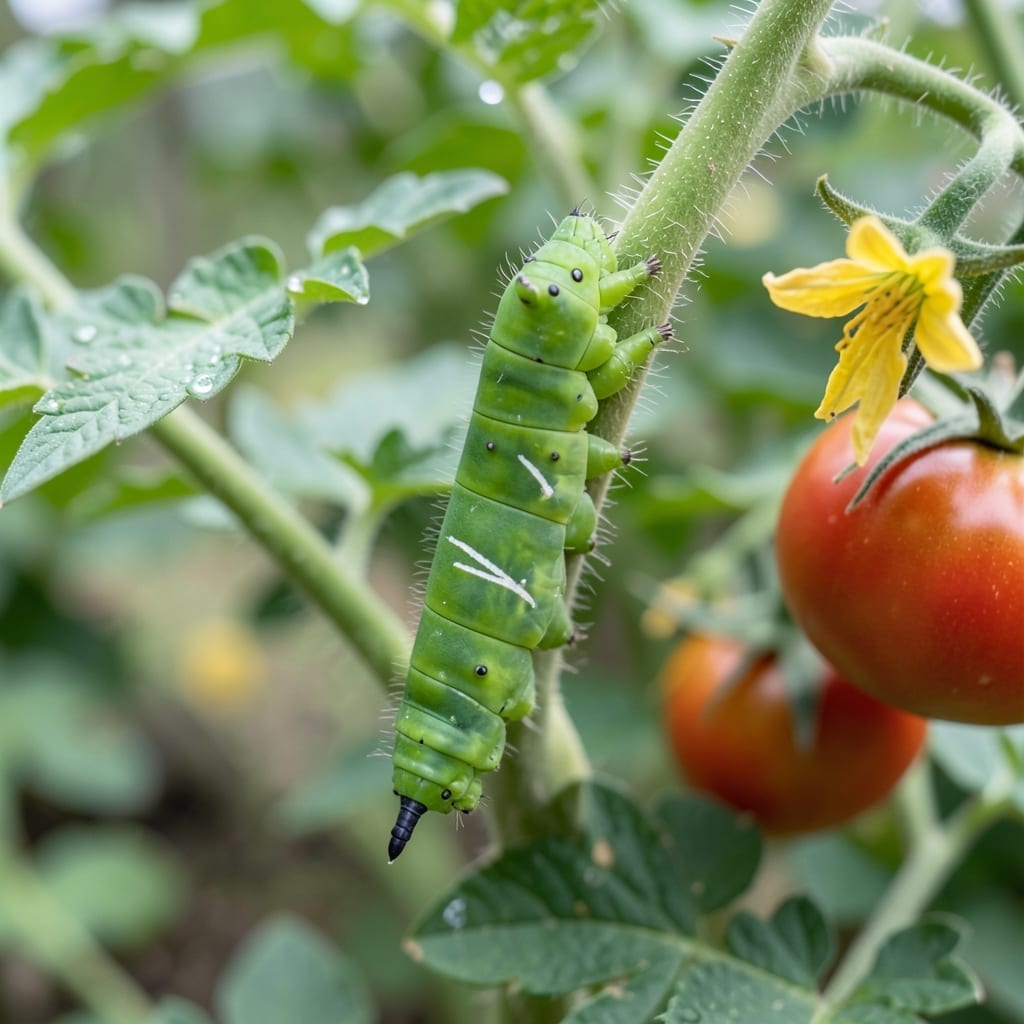
I spotted my first tomato hornworm at dawn, stripped half a plant overnight. These green caterpillars blend in perfectly, but their damage is impossible to miss—chewed leaves, missing fruit, dark droppings on the soil.
Here’s the thing—they’re not just greedy eaters. A single hornworm can consume 4-5 large tomato leaves in a day, and they multiply fast. I lost an entire crop one summer before learning the organic solution that actually works.
Bacillus thuringiensis changed everything. It’s natural, safe for beneficial insects, and stops caterpillars in their tracks within 2-3 days. No harsh chemicals, no harm to bees or ladybugs.
Prevention is simpler than you think. Regular inspection, companion planting, and removing eggs by hand keeps them from returning. Your tomatoes can thrive without sharing the harvest.
Green caterpillars on tomato plants are a common frustration, but understanding why they appear is the first step to keeping your garden thriving. These pests are typically the larvae of Heliothis virescens (tobacco budworm) or Manduca sexta (tomato hornworm), both of which are naturally drawn to solanaceous plants like tomatoes. Here’s why they show up in the first place:
Tomato plants emit chemical compounds that act as a beacon for adult moths looking to lay their eggs. These compounds, like solanine and other volatile organic molecules, signal a perfect food source for their offspring. Once eggs hatch, the caterpillars immediately begin feeding on leaves, stems, and fruit, causing rapid damage.
In a balanced garden ecosystem, natural predators like parasitic wasps, birds, or ground beetles keep caterpillar populations in check. However, if your garden lacks biodiversity or uses broad-spectrum pesticides, these beneficial predators may be absent, allowing caterpillars to multiply unchecked. Overuse of chemical treatments can also kill off the very insects that would otherwise control the pest population.
Warm, humid weather accelerates the life cycle of moths and caterpillars. Temperatures between 75–85°F (24–29°C) create the perfect conditions for egg-laying and rapid larval growth. Additionally, overwatering or dense plant spacing can increase humidity around the foliage, making it even more inviting for moths to deposit their eggs.
Leftover plant debris, fallen fruit, or weeds can serve as hiding spots or alternate food sources for caterpillars. Failing to clean up garden waste at the end of the season can allow overwintering pupae to survive and emerge as adult moths in the spring, restarting the cycle. Regularly removing damaged leaves and fruit can reduce their appeal.
Green caterpillars, often tomato hornworms or loopers, can quickly defoliate your tomato plants. Here’s how to tackle them based on the cause, along with prevention tips to keep your garden thriving.
If you spot just a few caterpillars, the simplest fix is to remove them by hand. Wear gloves and drop them into a bucket of soapy water. Check the undersides of leaves, as they often hide there. Prevention tip: 💡 Inspect plants daily, especially in the morning when caterpillars are most active.
Encourage parasitic wasps, ladybugs, or lacewings—natural enemies of caterpillars—to take up residence in your garden. Plant companion flowers like marigolds or dill to attract them. Avoid broad-spectrum pesticides, which can harm these helpers. Prevention tip: 🌼 Create a diverse garden ecosystem to sustain beneficial insect populations year-round.
For larger infestations, spray Bacillus thuringiensis (Bt), a natural bacteria that targets caterpillars without harming other insects or plants. Apply in the evening, as Bt breaks down in sunlight. Reapply after rain. Prevention tip: ✨ Rotate crops annually to disrupt pest life cycles and reduce future outbreaks.
Use row covers early in the season to prevent adult moths from laying eggs on your plants. Secure the edges tightly to the soil. Remove covers once flowers appear to allow pollination. Prevention tip: 🎯 Keep your garden free of plant debris, where caterpillars can overwinter.
Apply neem oil as a foliar spray to deter caterpillars from feeding. Mix according to package instructions and spray in the early morning or late evening. Prevention tip: 🌡️ Avoid spraying during the hottest part of the day to prevent leaf burn.
Inspect your tomato plants daily, especially in the morning when caterpillars are most active. Focus on the undersides of leaves and near fruit clusters. Early detection prevents major damage
Avoid broad-spectrum pesticides—they kill beneficial insects too. Instead, use Bacillus thuringiensis (Bt) for organic control. It targets only caterpillars and breaks down naturally
Apply Bt in the evening, as sunlight breaks it down quickly. Reapply after rain or every 7-10 days for ongoing protection. Always follow package instructions
Those are parasitic wasp eggs! These beneficial insects lay eggs on caterpillars, and the larvae will kill the host. Leave them be—they’re natural pest control at work