
Beautiful Plants For Your Interior
Beautiful Plants For Your Interior
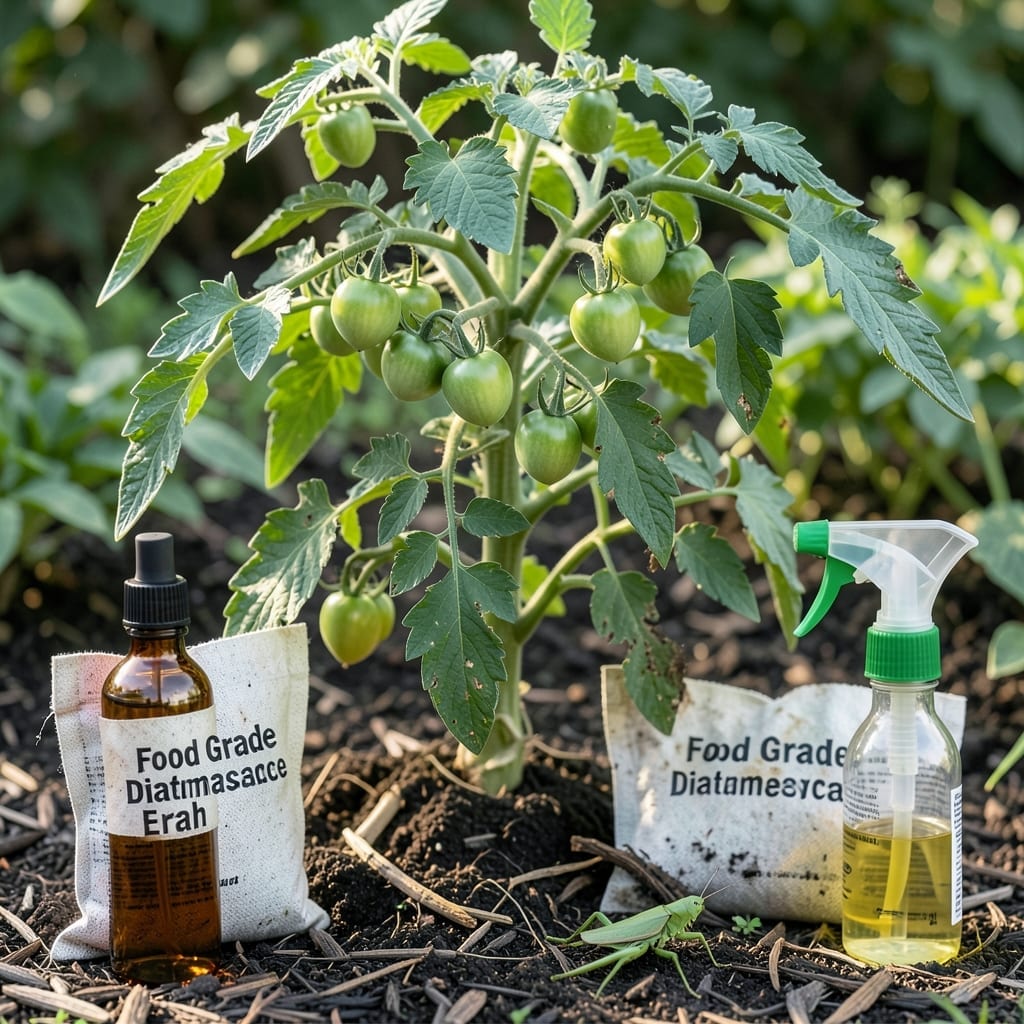
Watch your garden disappear overnight—grasshoppers can strip plants bare in hours. I lost an entire row of lettuce before discovering organic solutions that actually work.
The key is disrupting their life cycle without chemicals. Simple barriers, strategic planting, and natural predators turn the tide in your favor. My garden now thrives without a single synthetic spray.
You’ll see results within 2-3 weeks as grasshopper numbers drop. Plants recover quickly, and beneficial insects return to maintain the balance naturally.
Works for vegetable gardens, flower beds, and even container plants. Here’s the battle plan.
Grasshoppers may seem like harmless garden visitors, but their appetite for plants can quickly turn them into pests. Understanding why they appear in the first place is the first step toward managing them organically. Here’s what’s attracting them to your garden:
Grasshoppers thrive in environments rich in their favorite foods: grasses, grains, and leafy greens. If your garden or surrounding area has dense patches of clover, alfalfa, or wheat, it’s like an all-you-can-eat buffet for them. They’re also drawn to young, tender vegetation, which is easier for them to chew and digest. Overgrown lawns or weedy areas provide both food and shelter, encouraging them to stick around.
Grasshoppers are cold-blooded insects, meaning they’re most active in warm, sunny weather. Drought conditions are especially favorable, as dry soil forces them to seek out moisture-rich plants. If your region experiences prolonged heatwaves or low rainfall, expect grasshopper populations to surge as they migrate in search of sustenance.
A balanced ecosystem keeps grasshopper numbers in check, but modern gardens often lack their natural enemies. Birds, spiders, and parasitic wasps are primary predators, but if these are absent—due to pesticide use or habitat loss—grasshoppers can multiply unchecked. Even toads and lizards help control their populations, so encouraging biodiversity is key to prevention.
Tackling a grasshopper infestation doesn’t have to mean reaching for harsh chemicals. Here’s how to repel and reduce these pests naturally, based on the root causes of their presence.
Grasshoppers thrive in tall grass and dense plants. Mow regularly and remove weeds to eliminate their hiding spots. Keep garden edges clean, and clear debris where they might lay eggs.
Prevention tip: 💡 Maintain a 10-foot bare soil buffer around your garden to deter egg-laying.
Encourage birds, toads, and predatory insects like praying mantises or spiders by adding water sources, birdhouses, or native plants. A diverse ecosystem keeps grasshopper numbers in check.
Prevention tip: 💡 Install a small pond or birdbath to attract amphibians and birds year-round.
Protect vulnerable crops with row covers or floating fabric to block access. Set up sticky traps or beer traps (buried containers with beer) to lure and trap adults.
Prevention tip: 💡 Rotate crops annually to disrupt grasshopper feeding patterns.
Apply Steinernema carpocapsae nematodes to moist soil in early morning or late evening. These microscopic warriors target grasshopper nymphs before they hatch.
Prevention tip: 💡 Water soil before and after application to help nematodes move freely.
Light tilling in late summer or early fall exposes and dries out egg pods, reducing next season’s population. Avoid deep tilling, which can bury eggs further.
Prevention tip: ✨ Repeat tilling in spring before eggs hatch for maximum effect.
Yes! Birds, toads, and spiders are highly effective. Install birdhouses or a small pond to attract these natural hunters. A single bird can eat dozens per day.
Apply Steinernema carpocapsae every 4-6 weeks during warm months. Early morning or evening works best. Ensure soil stays moist for 1-2 weeks after application.
Plant garlic, cilantro, or marigolds near vulnerable crops. Their strong scents repel grasshoppers naturally. Rotate plants yearly for best results.
Avoid letting weeds or tall grass grow near your garden. These provide perfect breeding grounds. Maintain a 10-foot bare buffer zone around your plants.