
Beautiful Plants For Your Interior
Beautiful Plants For Your Interior
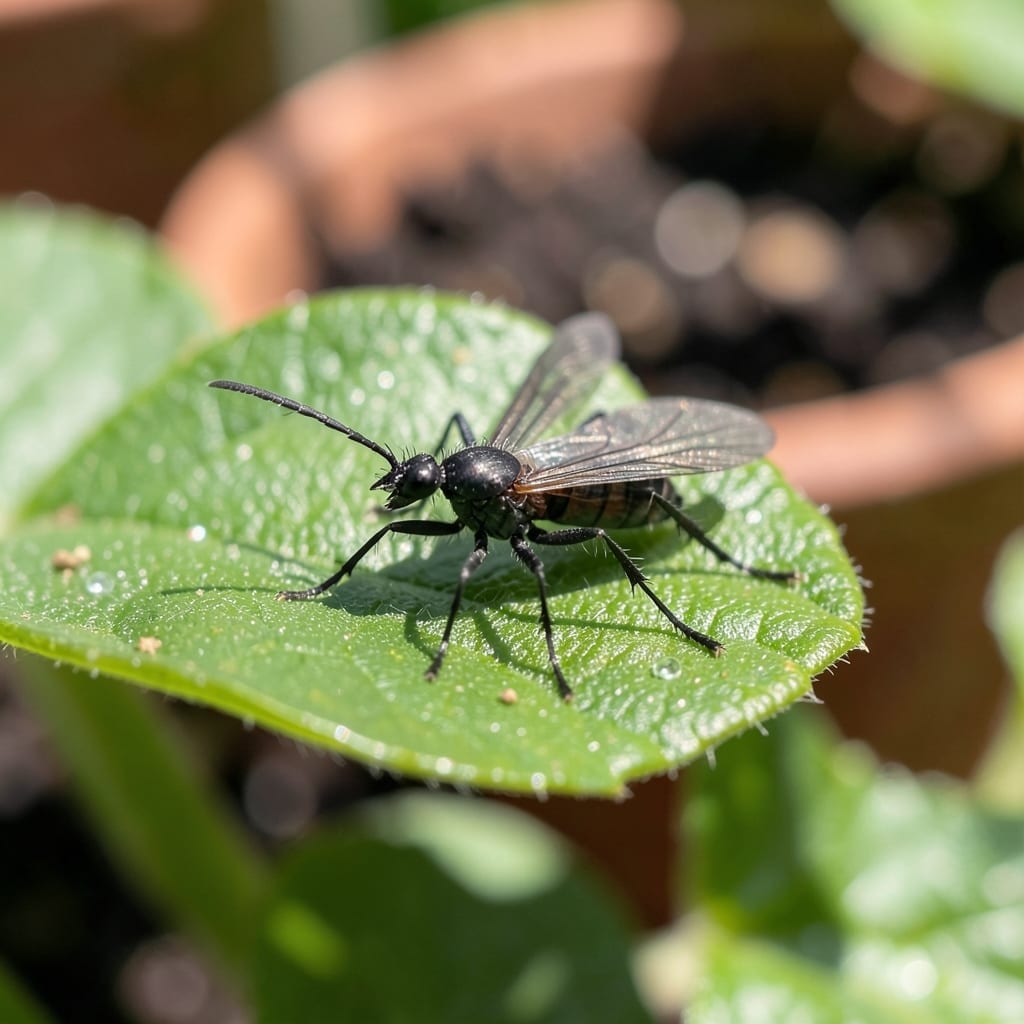
Those tiny black flies around your houseplants aren’t just annoying—they’re a sign your soil might be too wet. I’ve battled gnat infestations in my own collection, and the solution doesn’t require vinegar or harsh chemicals.
The key is breaking their life cycle with simple traps and habitat changes. A shallow dish of soapy water catches adults, while letting soil dry between waterings stops eggs from hatching. 2-3 days of this approach usually does the trick.
You’ll notice fewer flies within 24 hours and complete control in under a week. The best part? These methods won’t harm your plants or the beneficial microbes in the soil.
Works for all indoor plants and can prevent future outbreaks with consistent care.
Gnats don’t just appear out of thin air—they’re drawn to specific conditions that make your home or garden a prime breeding ground. Understanding why they show up is the first step to evicting them for good. Here’s the science behind their unwanted visits:
Fruit flies (a common type of gnat) are highly attracted to fermenting sugars in overripe fruits, vegetables, and even spilled juices. As organic material breaks down, it releases ethylene gas and volatile organic compounds (VOCs), which act like a dinner bell for gnats. Even a forgotten banana peel in the trash can trigger an infestation within 24–48 hours.
Fungus gnats thrive in damp environments, especially overwatered houseplants or leaky pipes. Their larvae feed on fungi and decomposing plant matter in moist soil, while adult gnats lay eggs in these same conditions. A single potted plant with soggy soil can host hundreds of eggs, leading to a persistent swarm.
Sink drains and garbage disposals harbor biofilm—a slimy layer of bacteria, food particles, and organic debris. This biofilm emits odors that attract gnats, particularly Phorid flies (sewer gnats). Even if you can’t see the buildup, the scent is a beacon for these pests, making kitchens and bathrooms hotspots.
Unsealed compost bins, uncovered trash cans, or even a neglected recycling bin can become a gnat nursery. These pests are opportunistic breeders, laying eggs in any moist, organic-rich material. A single unsecured lid can invite a full-blown infestation in as little as a week.
Gnats are annoying, but you can tackle them without vinegar. Here’s how to address the most common causes and keep them from coming back.
Fix: Remove any overripe fruit, vegetables, or food scraps from countertops, trash cans, and compost bins. Store fruit in the fridge or sealed containers. Take out the trash regularly, and clean your compost bin with soapy water weekly.
Prevention: Keep your kitchen clean and dry. Wipe down counters and empty trash cans daily to eliminate food sources that attract gnats.
Fix: Pour a mixture of baking soda and boiling water down the drain to flush out gnat larvae. For stubborn infestations, use a drain cleaner or a biological drain treatment with enzymes to break down organic buildup.
Prevention: Fix leaky faucets and avoid leaving standing water in sinks. Run water through rarely used drains (like in guest bathrooms) weekly to keep them dry.
Fix: Let the top inch of soil dry out between waterings. If gnats are already present, repot the plant with fresh soil and discard the infested dirt. You can also place a thin layer of sand on top of the soil to deter egg-laying.
Prevention: Use well-draining pots and avoid overwatering. Consider bottom-watering plants to keep the topsoil drier.
Fix: Clean your garbage disposal by grinding ice cubes and salt, then flushing it with cold water. For extra freshness, toss in citrus peels or use a disposal cleaner.
Prevention: Run the disposal regularly with cold water and avoid letting food waste sit. Clean it monthly to prevent buildup.
💡 Pro Tip: Gnats are drawn to moisture and organic matter, so eliminating these attractants is key. Stay consistent with cleaning and maintenance to keep them away for good!
Try a dish of soapy water with a few drops of dish soap. The soap breaks the surface tension, trapping gnats when they land. You can also use a bowl of red wine or fruit juice to attract them.
Let the top 1-2 inches of soil dry out between waterings. Adding a layer of sand or gravel on top of the soil discourages egg-laying. This works within 2-3 days for most plants.
They’re likely breeding in hidden moist areas like drains, compost bins, or overwatered plants. Address these spots with drying or cleaning, and they’ll disappear for good.