
Beautiful Plants For Your Interior
Beautiful Plants For Your Interior
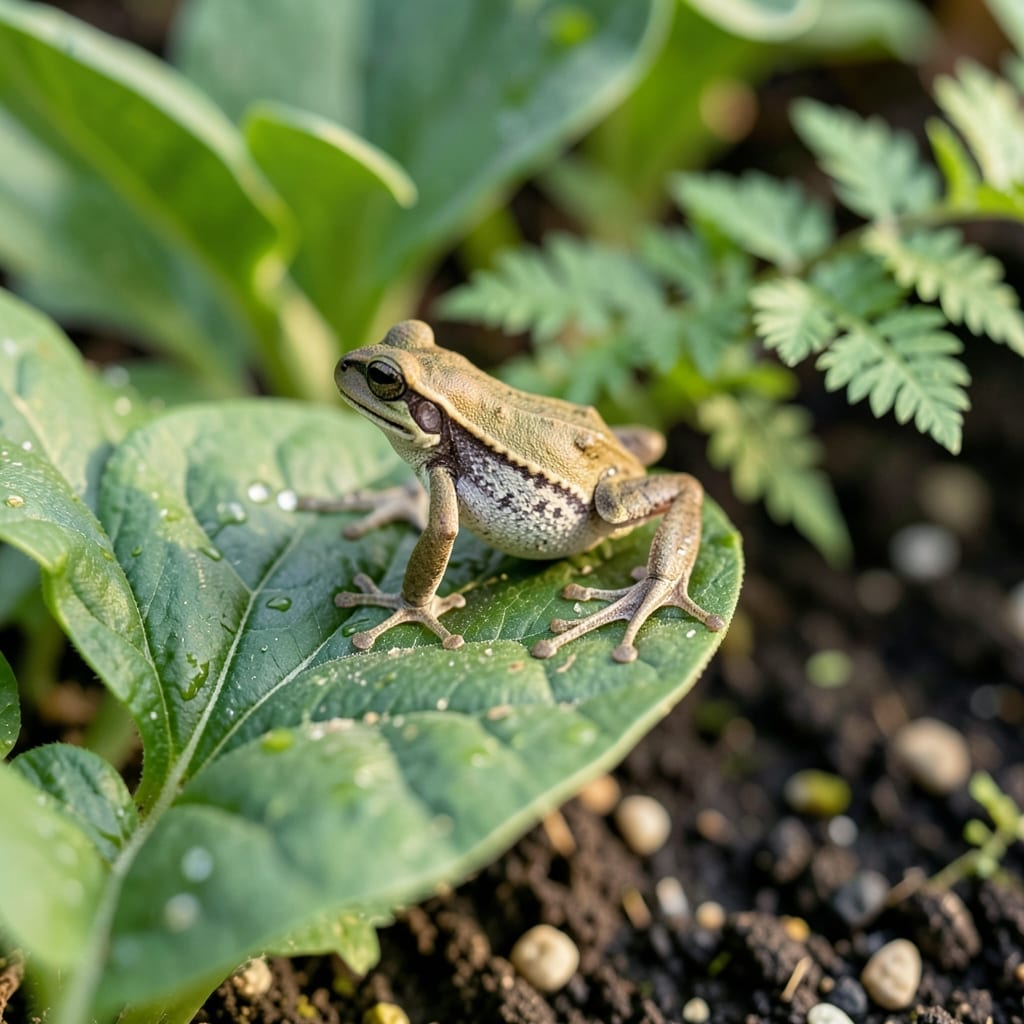
Frogs in your garden can feel like an invasion, but there’s a better way than panic. I’ve dealt with my share of unexpected hoppers and learned that gentle persuasion works best.
The key is making your space less appealing without harming them or your plants. Simple changes like removing standing water or adjusting lighting can encourage them to move on naturally.
You’ll notice fewer visitors within a week or two of consistent efforts. The garden stays peaceful, the frogs stay safe, and you avoid harsh chemicals that could disrupt the ecosystem.
Works for ponds, flower beds, or vegetable patches. Here’s how to start.
Understanding why frogs are drawn to your property is the first step in addressing the issue. Frogs are attracted to environments that meet their basic needs: water, shelter, and food. Below are the most common reasons they may be taking up residence in your space.
Frogs are amphibians that require moisture to survive. Ponds, pools, clogged gutters, or even small containers collecting rainwater create ideal breeding grounds. Female frogs lay eggs in still water, and tadpoles develop there, leading to a sudden population boom if left unchecked.
Dense plants, tall grass, and leaf litter provide frogs with shelter from predators and harsh weather. Gardens, mulch beds, and unkempt lawns offer plenty of hiding spots, making your yard a prime habitat. Additionally, these areas often harbor insects, a primary food source for frogs.
Frogs are insectivores, feeding on flies, mosquitoes, beetles, and other small invertebrates. Properties with poor waste management, outdoor pet food, or untreated compost piles attract insects, which in turn draw frogs. Even well-lit areas at night can invite bugs—and frogs—closer to your home.
Frogs seek out cool, damp places to regulate their body temperature and prevent dehydration. Basements, crawl spaces, sheds, and even gaps under decks can become cozy retreats. These areas are especially appealing during hot or dry periods.
If frogs have taken over your yard or garden, don’t panic—there are effective and humane ways to encourage them to relocate. Below are targeted solutions based on common causes, along with prevention tips to keep them from returning.
Frogs love moist environments, so eliminate their breeding grounds. Drain ponds, empty unused containers, or add a fountain to disrupt still water. For garden ponds you want to keep, introduce fish that eat frog eggs or use a natural enzyme treatment to deter them.
Prevention: Regularly check for clogged gutters, low spots, or leaky hoses that create puddles. Keep your yard well-drained.
Tall grass, dense shrubs, and leaf litter provide perfect hiding spots. Trim overgrown plants, rake up debris, and keep your lawn mowed. Frogs prefer shaded, damp areas, so opening up the space makes it less appealing.
Prevention: Maintain a tidy yard and store firewood or garden supplies off the ground to reduce shelter options.
Frogs follow their dinner. If your yard is teeming with bugs, they’ll stick around. Use yellow bug lights (less attractive to insects) and avoid overwatering plants, which can attract pests. For severe infestations, consider organic pest control.
Prevention: Keep outdoor lights minimal and clean up food scraps or compost piles that draw insects.
Check basements, sheds, or crawl spaces for gaps where frogs might enter. Install fine mesh screens over vents and seal cracks with caulk. For garden sheds, ensure doors close tightly and add weather stripping.
Prevention: Inspect your property seasonally for new entry points, especially after heavy rains.
💡 Pro Tip: If frogs are already inside, gently herd them into a bucket using a broom and release them far from your home—at least a mile away to prevent their return!
No, frogs are actually beneficial as they eat pests like insects and slugs. However, their presence in large numbers can become a nuisance.
Eliminate standing water and reduce shelter by trimming vegetation. This disrupts their habitat and encourages them to leave within a few days.
Avoid salt—it can harm plants and soil. Instead, try natural deterrents like citrus peels or coffee grounds around problem areas.
They might if conditions remain ideal. Consistent prevention, like maintaining drainage and reducing insect populations, keeps them away long-term.