
Beautiful Plants For Your Interior
Beautiful Plants For Your Interior
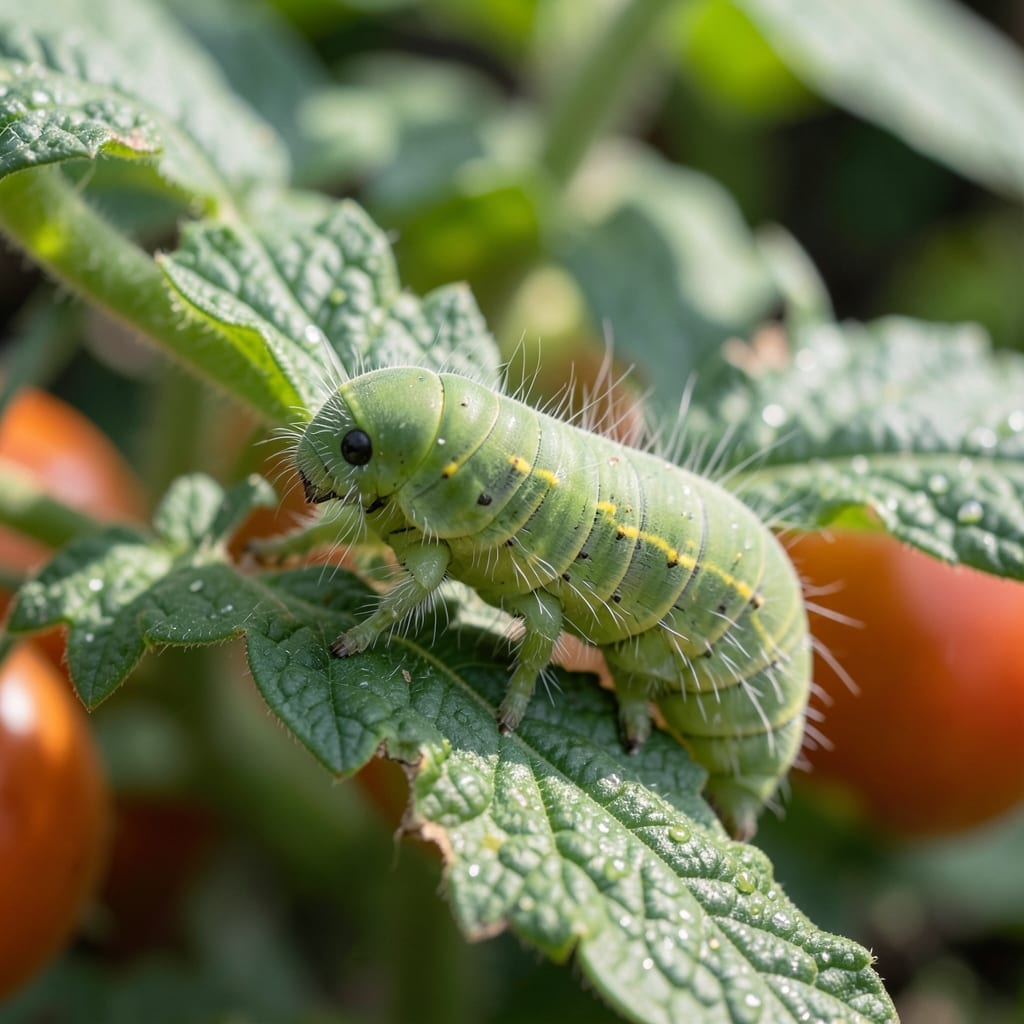
I spotted my first tomato hornworm devouring my plants in 24 hours. Organic caterpillar control isn’t just possible—it’s more effective than chemicals in the long run.
Handpicking works surprisingly well for visible pests, but the real game-changers are natural predators and targeted sprays. I’ve kept my garden caterpillar-free for three seasons using just these methods.
Your plants stay healthy without harmful residues, and beneficial insects thrive. The best part? These solutions prevent future infestations while protecting your garden’s ecosystem.
Works for vegetable gardens, flower beds, and even potted plants. Here’s how to reclaim your garden naturally.
Caterpillars appear in your garden or plants for specific, often preventable reasons. Understanding these causes helps you address the root of the problem naturally. Below are the most common triggers, explained scientifically. Knowing the “why” is the first step to fixing it!
Many caterpillar species, like cabbage loopers or tomato hornworms, are highly specialized. They target plants their adult moth or butterfly forms rely on for laying eggs. Overgrown or dense plantings (e.g., unpruned kale, overcrowded tomatoes) create ideal breeding grounds. Action: Thin plants and rotate crops annually to disrupt their life cycle.
Caterpillar populations explode in temperatures between 70–85°F (21–29°C) with high humidity. These conditions speed up egg hatching and larval growth. Warm nights also encourage moths to lay more eggs. Action: Monitor weather forecasts and inspect plants more frequently during these periods.
Nature keeps caterpillars in check with predators like birds, parasitic wasps, and ground beetles. If your garden lacks biodiversity (e.g., no birdhouses, pesticide use, or monoculture planting), these helpers disappear. Action: Plant native flowers, add water sources, and avoid synthetic pesticides to encourage beneficial wildlife.
Fallen leaves, dead plants, and mulch provide shelter for caterpillar eggs and pupae. For example, tent caterpillars overwinter in silk tents hidden in bark or leaf litter. Action: Clear garden debris regularly, especially in late fall and early spring to remove hiding spots.
When caterpillars start munching on your plants, it’s time to take action. These organic solutions target the problem at its root while keeping your garden safe and chemical-free.
For small infestations, handpicking is the simplest method. Wear gloves and check the undersides of leaves, where caterpillars often hide. Drop them into a bucket of soapy water to ensure they don’t return. Pro tip 💡: Do this early in the morning or late evening when caterpillars are most active.
Attract birds, ladybugs, and parasitic wasps—the caterpillar’s natural enemies—by planting native flowers and herbs like dill, fennel, or marigolds. Install a bird feeder or bath to keep feathered friends around. These predators will help keep caterpillar populations in check without any effort on your part.
Spray a mix of neem oil or Bacillus thuringiensis (Bt) directly onto leaves. Neem disrupts their life cycle, while Bt targets only caterpillars and won’t harm beneficial insects. Reapply after rain for best results. Pro tip ✨: Test a small area first to avoid damaging sensitive plants.
Protect vulnerable plants with floating row covers or fine mesh netting. This prevents adult moths from laying eggs on leaves. Secure the edges tightly to the soil to block entry. Remove covers during flowering if pollinators are needed.
With these practical, organic methods, you can reclaim your garden—naturally!
Handpicking works immediately for visible caterpillars. Drop them into soapy water to ensure they don’t return. For larger infestations, Bt spray acts within 1-2 days.
Bt targets only caterpillars, while neem oil affects most soft-bodied pests. Both are safe for bees and ladybugs when used correctly.
Reapply neem oil or Bt every 7-10 days, or after rain. Consistency prevents new hatchlings from surviving.
Yes! Install row covers, attract predators with native plants, and clear debris to reduce future issues. These steps minimize hands-on work.