
Beautiful Plants For Your Interior
Beautiful Plants For Your Interior
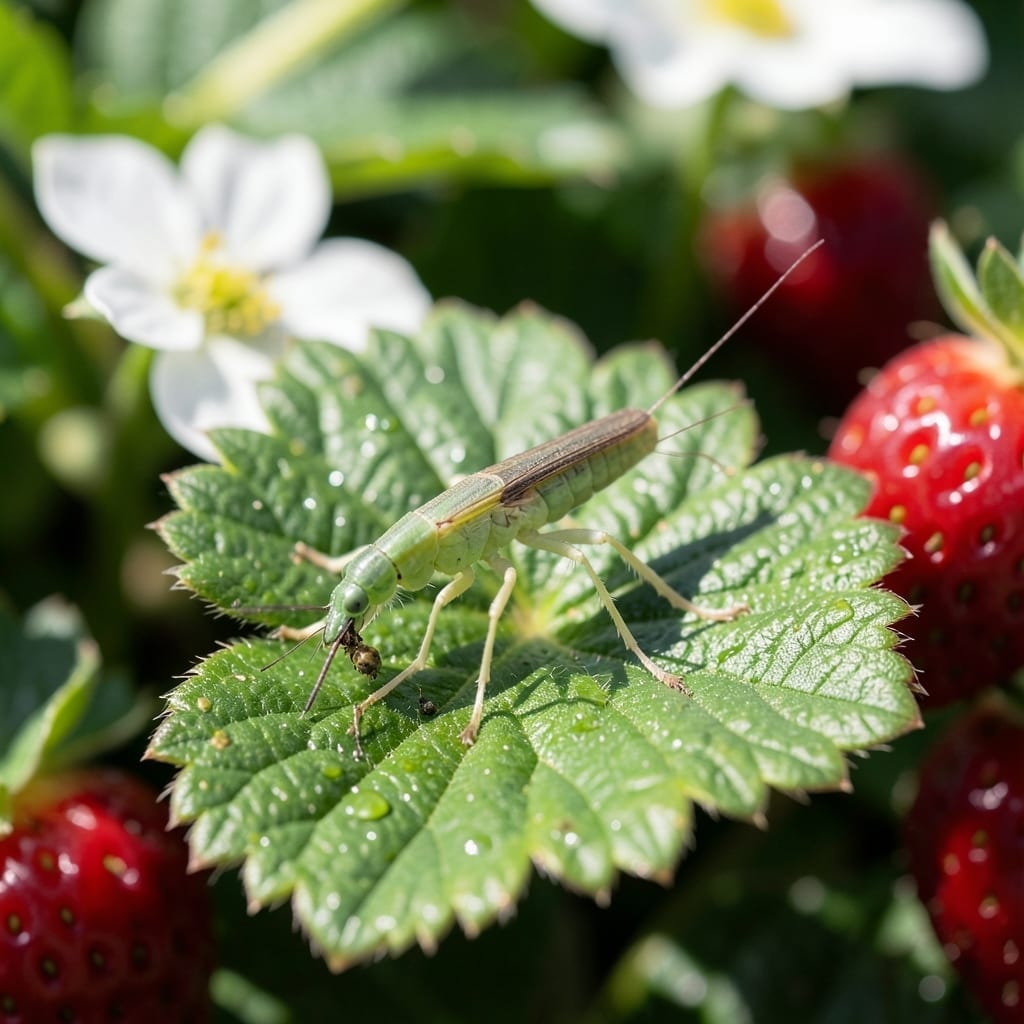
Tiny green invaders can destroy your strawberry harvest before you even notice them. I lost an entire patch to aphids one spring before learning the organic solution that works every time.
Neem oil spray stops these pests dead in their tracks without harming your plants or the bees that pollinate them. The key is catching them early—check the undersides of leaves where they love to hide.
Within 24-48 hours of application, you’ll see the aphids disappearing. Your strawberries stay safe to eat, and the plants bounce back stronger than before.
This method works for patio containers or full garden beds. No harsh chemicals, just effective protection for your berries.
Aphids are drawn to strawberry plants for a few key reasons, and understanding these causes can help you prevent future infestations. Below are the most common factors that make your strawberries a magnet for these pests.
Excess nitrogen in the soil promotes lush, tender new growth—exactly the kind of plant tissue aphids love to feed on. When strawberry plants receive too much nitrogen-rich fertilizer, they produce an abundance of soft leaves and stems, which are easier for aphids to pierce and suck sap from. Actionable tip: Use a balanced fertilizer (e.g., 10-10-10) and avoid over-applying nitrogen-heavy options like blood meal or fresh manure.
Aphids thrive in environments with high humidity and moist conditions. Overwatering your strawberry plants or planting them in poorly draining soil creates the perfect breeding ground. Soggy soil also stresses the plants, making them more susceptible to pests. Actionable tip: Water at the base of the plant in the morning, allowing the soil to dry slightly between waterings, and ensure your garden beds or containers have proper drainage.
In a balanced ecosystem, ladybugs, lacewings, and parasitic wasps keep aphid populations in check. However, if your garden lacks biodiversity or you’ve used broad-spectrum pesticides, these beneficial insects may be absent. Actionable tip: Plant companion flowers like marigolds, alyssum, or dill to attract aphid predators, and avoid chemical sprays that harm them.
Aphids reproduce rapidly in temperatures between 60–80°F (15–27°C), which is ideal for strawberry growth. During spring and early summer, their populations can explode if conditions are right. Actionable tip: Monitor your plants closely during these seasons and intervene early with organic controls like neem oil or insecticidal soap.
Tackling aphids on your strawberry plants doesn’t have to be a battle. Here’s how to fix the most common causes and keep your plants thriving.
Too many plants in one spot create a haven for aphids. Thin out crowded areas to improve airflow and reduce hiding spots. Space strawberry plants at least 12–18 inches apart. This simple step makes it harder for aphids to spread and easier for you to spot early infestations.
Prevention tip: 💡 Plant in raised beds or containers if space is limited—this also helps with drainage and pest control.
Aphids thrive when their natural enemies—like ladybugs, lacewings, and parasitic wasps—are absent. Attract these helpers by planting dill, fennel, or marigolds nearby. Avoid broad-spectrum pesticides, which can harm these beneficial insects along with the pests.
Prevention tip: 🎯 Leave a small patch of wildflowers or herbs in your garden to provide a habitat for predator insects year-round.
Aphids love the soft, new growth that comes from too much nitrogen. Switch to a balanced, organic fertilizer (like 5-5-5) and avoid over-feeding. Strawberries prefer a moderate amount of nutrients—focus on phosphorus and potassium to promote strong roots and fruit production.
Prevention tip: ✨ Test your soil annually to tailor your fertilizing routine and avoid excess nitrogen.
Aphids are drawn to stressed plants. Water your strawberries consistently at the base (avoid wetting the leaves) and mulch around the plants to retain moisture. A strong spray of water from a hose can also dislodge aphids—do this in the early morning so leaves dry quickly.
Prevention tip: 🌡️ Use drip irrigation to keep foliage dry and reduce the risk of fungal diseases, which can further stress your plants.
Use neem oil every 7-10 days or after rain. Apply in the evening to avoid harming bees.
Yes, mix 1 tsp mild soap per 1 quart water and spray directly on aphids. Reapply every 2-3 days until gone.
Wash berries thoroughly before eating. Neem oil and soap solutions break down quickly and leave no harmful residue.
Prune heavily infested leaves first, then spray with neem oil. For severe cases, repeat treatment every 48 hours until controlled.