
Beautiful Plants For Your Interior
Beautiful Plants For Your Interior
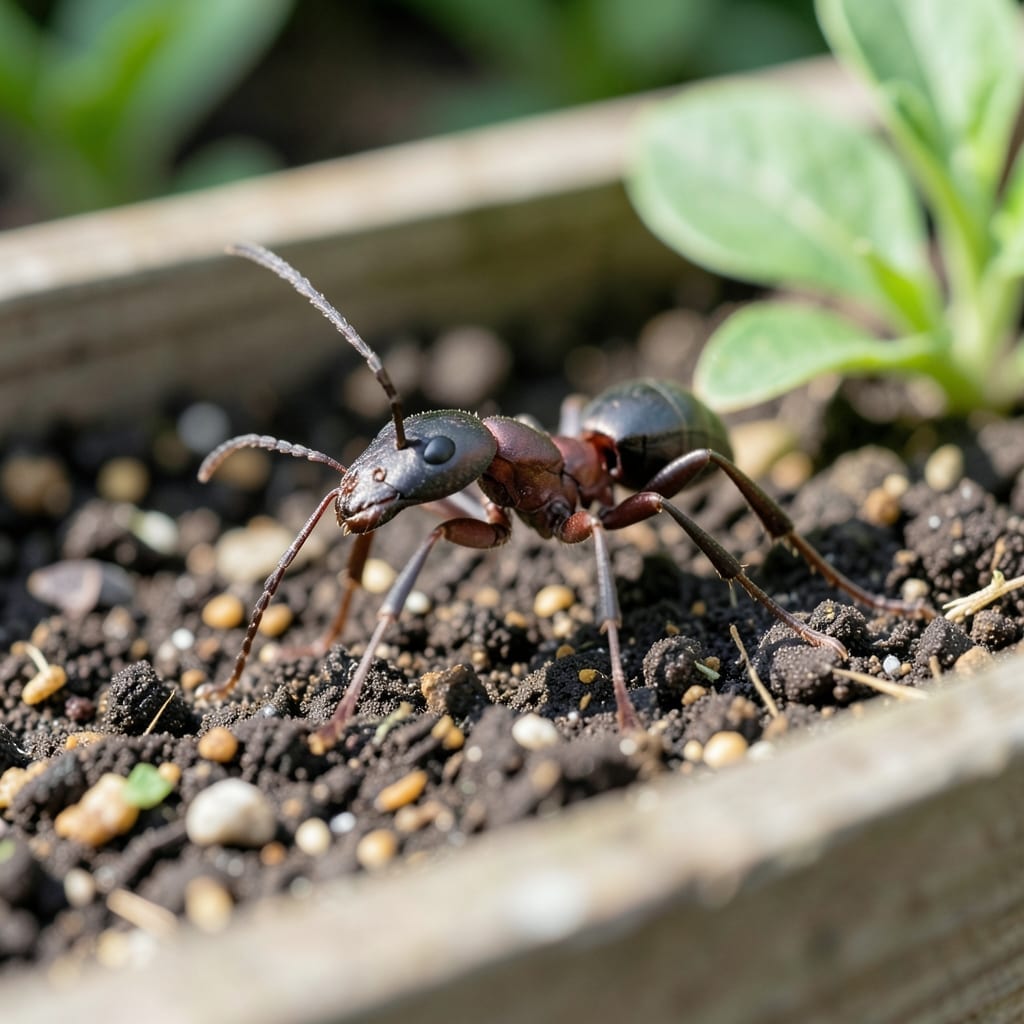
Ants in your raised beds aren’t just annoying—they’re a sign something’s off. I found a nest under my zucchini last summer and learned the hard way that ignoring them only makes things worse.
The good news? You can evict them without chemicals that harm your soil or plants. Simple ingredients from your kitchen and a little persistence are all it takes to reclaim your garden space.
Within 24-48 hours, you’ll notice the trails disappearing. The key is targeting their entry points and making your bed less appealing than their next-door alternatives.
Best part? These methods work for any raised bed setup, whether you’re growing veggies, flowers, or herbs. Here’s exactly how to do it.
Ants invade raised garden beds for a few predictable reasons, all tied to their survival instincts. Understanding these causes helps you address the root of the problem effectively.
Raised beds are rich in organic matter, which attracts ants seeking sugary substances (like nectar or honeydew from aphids) and protein (from dead insects or compost). Ants are natural foragers, and a well-fertilized garden bed is like a buffet for them. If your plants have aphid infestations, ants will farm them for honeydew, creating a symbiotic—but unwanted—relationship.
Raised beds provide moist, loose soil—perfect for ant colonies to build nests. Unlike compacted ground soil, the aerated environment of a raised bed offers easy tunneling. Wooden frames can also attract carpenter ants, which burrow into damp or decaying wood, turning your garden structure into their home.
Ants need water to survive, and raised beds often retain moisture better than in-ground gardens. Overwatering or poor drainage creates a humid haven for colonies. Additionally, the elevated design shields them from ground-level predators and extreme temperature swings, making it a safe, stable habitat.
In undisturbed ecosystems, ants have predators (like birds or other insects) and competing species that keep their numbers in check. In raised beds, especially in urban or isolated settings, these natural controls may be absent. Without predators or rival colonies, ants can thrive unchecked, quickly overrunning your garden.
Ants in your raised garden bed can be stubborn, but these targeted solutions will help you reclaim your space without harming your plants or the environment.
Ants are drawn to sweet or greasy residues. Clean up fallen fruit, spilled nectar, or pet food near the bed. Use a vinegar-water spray (1:1 ratio) to wipe down the bed’s edges—this disrupts their scent trails. Prevention tip: 💡 Store compost bins far from the garden and avoid overripe mulch.
Seal cracks in the bed’s frame with caulk or diatomaceous earth. For existing nests, flood the area with soapy water to force ants out. Prevention tip: ✨ Line the bed’s bottom with landscape fabric before filling with soil to deter nesting.
Ants protect aphids for their honeydew. Spray plants with neem oil or insecticidal soap to eliminate aphids, and ants will leave. Prevention tip: 🎯 Introduce ladybugs or lacewings—natural aphid predators—to keep populations in check.
Sprinkle cinnamon, coffee grounds, or crushed chalk around the bed’s perimeter—ants avoid these. For a longer-term fix, apply food-grade diatomaceous earth (reapply after rain). Prevention tip: 🌡️ Refresh barriers every 2–3 weeks or after heavy watering.
Consistency is key! Combine these methods for a long-term, ant-free garden.
Food-grade diatomaceous earth is completely safe for plants. It only affects insects with exoskeletons, like ants. Just apply a thin layer and reapply after rain or watering.
Cinnamon, coffee grounds, and chalk barriers need refreshing every 2-3 weeks or after heavy rain. For best results, reapply after watering your garden as well.
If ants persist, you likely missed their nest or entry point. Try flooding the area with soapy water to force them out, then seal cracks with caulk or diatomaceous earth.
No, vinegar can harm plants. Use a 1:1 vinegar-water mix only on bed edges and frames to disrupt scent trails, never on foliage or soil.