
Beautiful Plants For Your Interior
Beautiful Plants For Your Interior
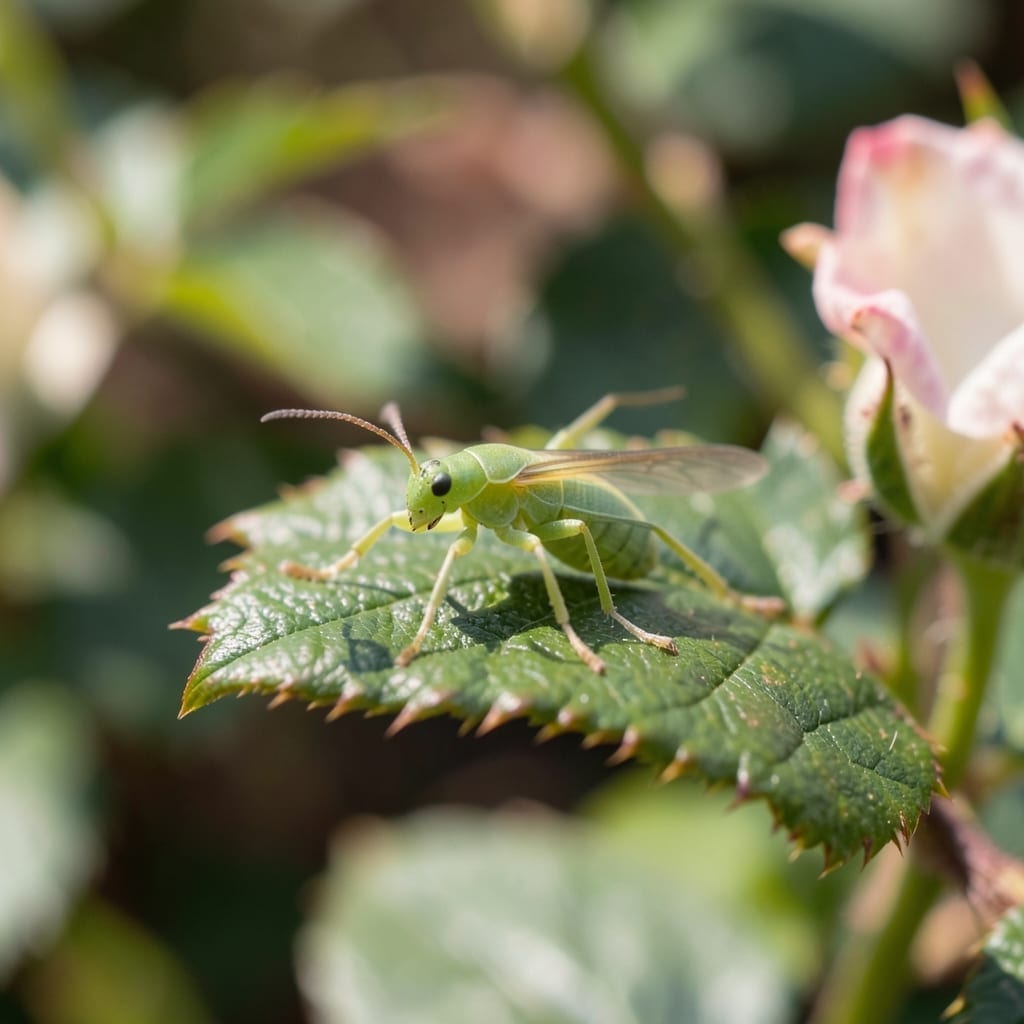
Tiny green invaders on your rose buds mean war. I’ve battled aphids on my roses for years, and the solution isn’t more chemicals—it’s smarter strategy that protects your blooms and beneficial insects.
These pests multiply fast, but they’re weak against simple, natural defenses. A strong blast of water dislodges them instantly, while soapy sprays break down their protective coats without harming your plants or pollinators.
Your roses will bounce back with healthier, more vibrant growth once the aphids are gone. Early action prevents curled leaves and stunted blooms, keeping your garden looking its best all season.
Works for all rose varieties, from climbers to shrubs. Here’s how to reclaim your garden without the harsh stuff.
Aphids flock to roses for specific biological and environmental reasons. Understanding these causes helps you disrupt their lifecycle and protect your plants. Here’s why they appear in the first place:
Roses heavily fertilized with nitrogen-rich products grow lush, soft new shoots—aphids’ favorite food. These pests detect the high sap sugar content and swarm to feed. Action: Balance fertilizers with phosphorus and potassium to toughen plant tissue.
Aphids thrive in damp, still air. Overwatering or poor drainage creates ideal breeding conditions on rose buds and undersides of leaves. Action: Water at the base in the morning and improve airflow with pruning.
When ladybugs, lacewings, or parasitic wasps are absent, aphid populations explode unchecked. Pesticides often kill these beneficial insects first. Action: Plant companion flowers like dill or yarrow to attract predator insects.
Aphids reproduce rapidly in 60–80°F (15–27°C) temperatures. Roses in spring or early summer are prime targets. Action: Monitor plants closely during these seasons and act at the first sign of infestation.
Tackling aphids on your roses doesn’t have to mean reaching for harsh chemicals. Here’s how to evict these tiny pests and keep them from coming back, using simple, effective methods.
A strong spray of water from your garden hose can knock aphids off your roses instantly. Do this early in the day so the foliage has time to dry, which helps prevent fungal issues. Repeat every few days until the infestation clears. Prevention tip: Encourage beneficial insects like ladybugs and lacewings, which naturally prey on aphids.
Mix 1 teaspoon of mild liquid soap (like Castile) with 1 quart of water in a spray bottle. Shake well and apply directly to the aphids, focusing on the undersides of leaves where they hide. The soap breaks down their protective coating, causing them to dehydrate. Prevention tip: Spray regularly—aphids reproduce quickly, so consistency is key.
Neem oil is a natural insecticide that disrupts aphids’ life cycles. Mix 2 tablespoons of neem oil with 1 gallon of water and a few drops of dish soap (to help it stick). Spray the mixture on your roses, covering all surfaces. Apply in the evening to avoid harming pollinators. Prevention tip: Reapply after rain or every 7–10 days for ongoing protection.
Attract aphid-eating insects like ladybugs, parasitic wasps, or hoverflies by planting companion flowers such as marigolds, yarrow, or daisies near your roses. You can also purchase ladybugs from garden centers for an immediate boost. Prevention tip: Avoid broad-spectrum pesticides, which kill beneficial insects along with pests.
If a few stems or leaves are heavily infested, snip them off with clean pruners and dispose of them in a sealed bag. This removes a large portion of the aphid population at once. Prevention tip: Disinfect your tools after pruning to avoid spreading pests to other plants.
With these methods, your roses will be aphid-free and thriving in no time! 🌹
For soap or neem oil sprays, reapply every 5-7 days or after rain. Consistency is key since aphids reproduce quickly. Always spray in the evening to avoid harming pollinators.
Mild dish soap is safe when diluted properly. Use 1 teaspoon per quart of water and avoid harsh detergents. Test on a small area first to check for leaf damage.
A strong water blast from a hose removes most aphids immediately. Focus on the undersides of leaves where they cluster. Repeat daily until they’re gone.
Avoid vinegar—it can burn rose leaves. Stick to proven methods like soap sprays or neem oil for safe, effective results.