
Beautiful Plants For Your Interior
Beautiful Plants For Your Interior
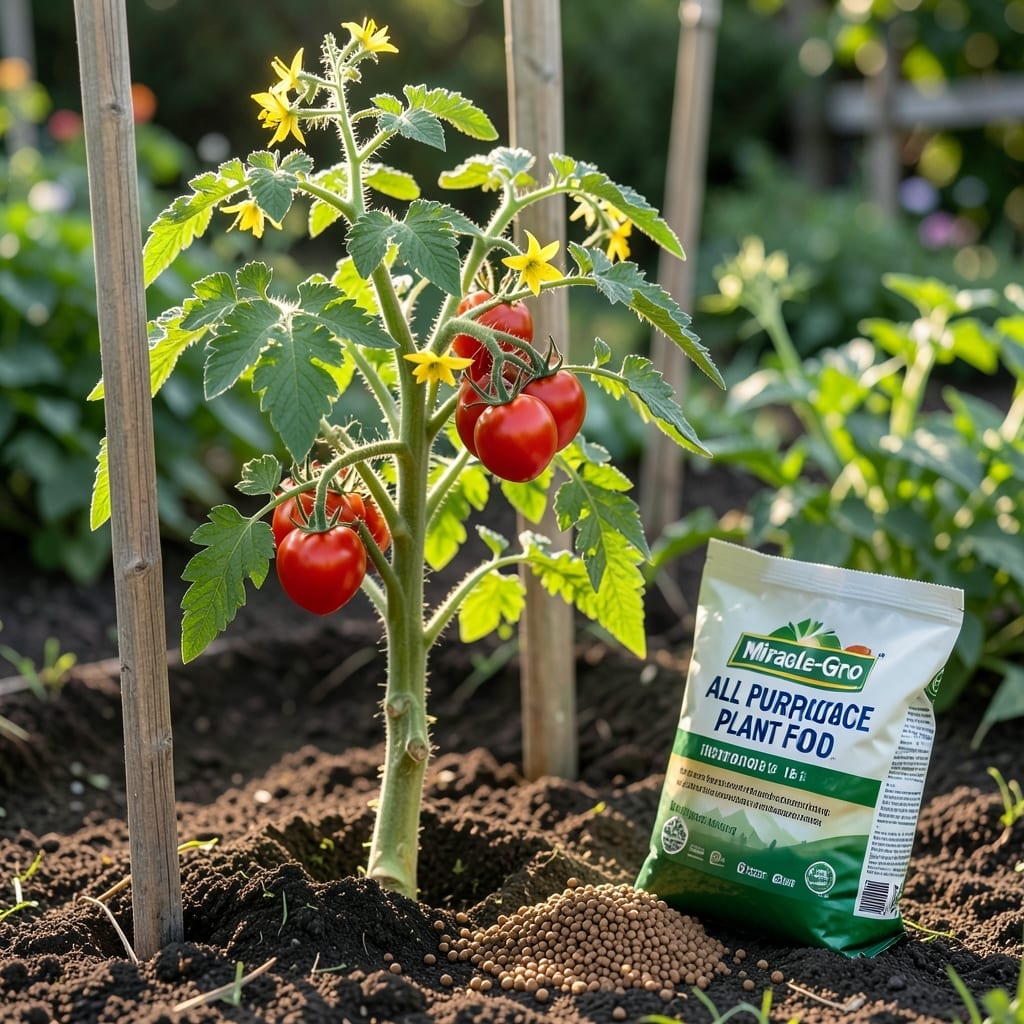
Feeding your 🍅 Tomato plants properly can transform your garden from average to extraordinary. I’ve seen firsthand how the right nutrients at the right time make all the difference in plant health and fruit production.
Whether you’re growing heirlooms or cherry varieties, understanding what your Tomato plants need is the key to success. Organic methods not only nourish your plants but also protect your soil’s long-term health.
Let me show you exactly how to feed your Tomato plants for the juiciest, most flavorful harvests you’ve ever tasted. The results might surprise you.
I’ve tested countless organic fertilizers, and the best ones for tomato plants always share one trait: they deliver balanced nutrition without harsh chemicals. Your plants crave nitrogen, phosphorus, and potassium in the right ratios.
Organic options like compost and worm castings improve soil structure while feeding. They release nutrients slowly, which prevents the burn risk of synthetic fertilizers. This means healthier plants and sweeter tomatoes.
I always start with compost as my base fertilizer. It’s like a multivitamin for your soil, providing a wide range of nutrients while improving soil structure. Work it into the top 6-8 inches of soil before planting.
Worm castings are my secret weapon for an extra boost. They’re packed with beneficial microbes that help your plants absorb nutrients more efficiently. I sprinkle a handful around each plant every 3-4 weeks during the growing season.
For a quick nitrogen boost, I turn to fish emulsion. It’s particularly useful when your plants look a bit pale or leggy. I mix 1 tablespoon of fish emulsion with a gallon of water and apply it every 2 weeks during the vegetative stage.
When it’s time for flowering and fruiting, I switch to bone meal. Its high phosphorus content encourages strong root development and abundant blooms. I work about 1 tablespoon into the soil around each plant at planting time and again when flowers first appear.
Remember, the key to successful feeding is consistency. I’ve found that a regular schedule of these organic fertilizers keeps my tomato plants thriving all season. Plus, they’re safe for the environment and your family.
With these organic fertilizers, you’ll see a noticeable difference in your tomato plants’ vigor and productivity. Your harvest will be the talk of the neighborhood! 🌱
Timing is everything when feeding tomato plants. I’ve learned that seedlings need a gentle start, while mature plants require more frequent feeding during flowering and fruiting stages.
For best results, I apply liquid fertilizers every 2-3 weeks during the growing season. This consistent schedule prevents nutrient deficiencies while avoiding over-fertilization.
I prefer side-dressing with dry fertilizers. This means sprinkling compost or worm castings around the base of plants, about 6 inches from the stem, then lightly working it into the soil.
For liquid feeds, I water the fertilizer solution directly at the root zone. This ensures the nutrients go where they’re needed most. I avoid getting fertilizer on the leaves to prevent burning.
Foliar feeding can give your plants a quick boost. I spray diluted fish emulsion or seaweed extract on the leaves early in the morning. The plants absorb nutrients through their leaves, which is especially helpful for quick corrections.
Remember, early morning is the best time to fertilize. This gives plants time to absorb nutrients before the heat of the day. I also make sure the soil is moist before applying to prevent root burn.
With this approach, I consistently get bigger, tastier tomatoes with fewer problems. 🌿