
Beautiful Plants For Your Interior
Beautiful Plants For Your Interior
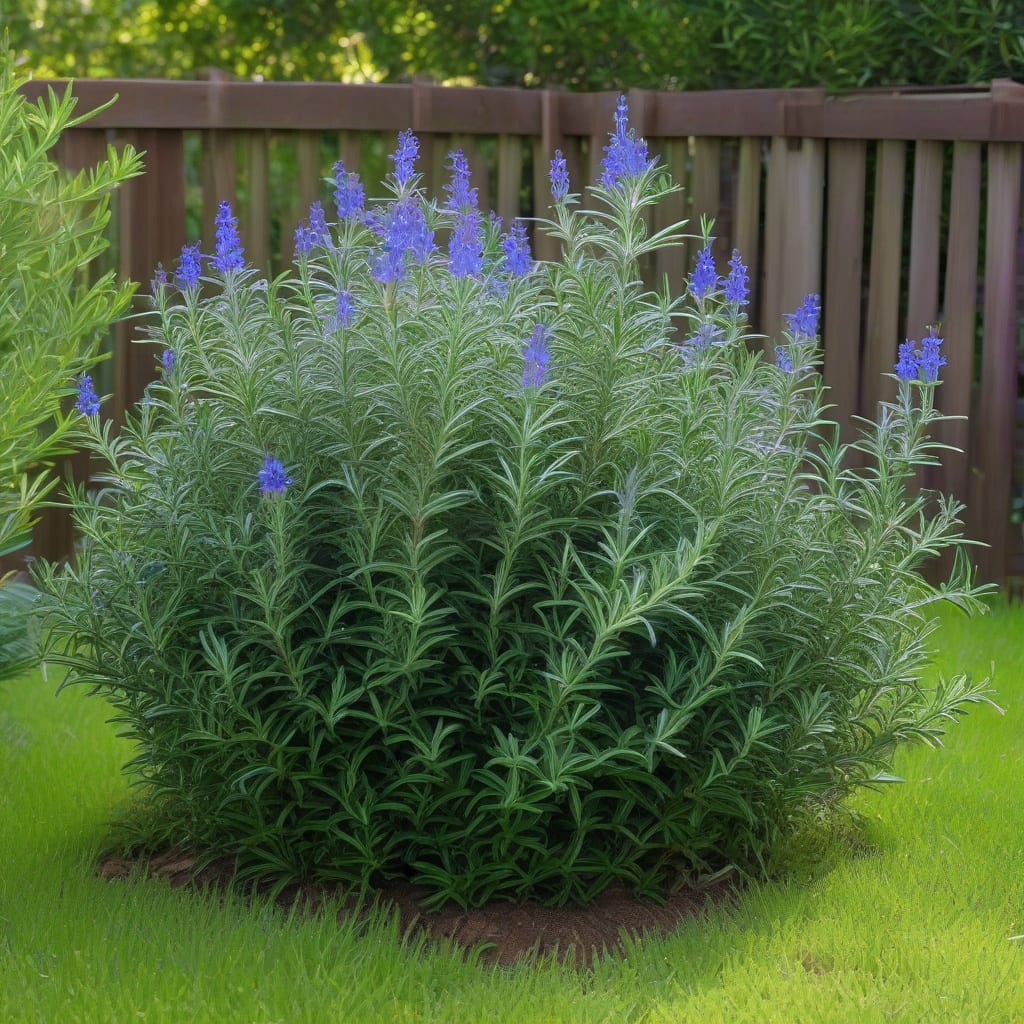
I’ve always been fascinated by how tall my rosemary 🌿 can grow. In ideal conditions, rosemary can reach heights of 4 to 6 feet, making it a beautiful addition to any garden. Understanding its growth potential is key to planning your garden effectively.
Whether you’re growing rosemary in USDA Zone 6 or another region, factors like climate, soil quality, and pruning practices can influence its ultimate height. Let’s explore what you can expect and how to manage your rosemary’s growth.


I’ve found that rosemary’s height can vary significantly based on several key factors. Understanding these elements is crucial for gardeners who want to maximize their rosemary’s growth 🌿.
The main factors that influence rosemary’s ultimate height include climate, soil quality, pruning practices, and variety type. Each of these elements plays a significant role in determining how tall your rosemary will grow.
For instance, upright rosemary varieties tend to grow taller than trailing types. Climate conditions, such as those found in USDA Zone 6, can also impact the plant’s maximum height. 🌱
Soil quality is another critical factor. Rosemary prefers well-draining soil, and poor drainage can limit its growth. Regular pruning is essential to maintain the desired height and encourage healthy growth.
By understanding these factors, gardeners can better predict and manage the height of their rosemary plants. Proper care and attention to these elements can help achieve the desired growth.
It’s also worth noting that rosemary is generally a medium-sized herb, with mature heights typically ranging between 4 to 6 feet. However, some varieties can grow taller or remain more compact.
Overall, the combination of climate, soil, pruning, and variety will determine the ultimate height of your rosemary plant. By optimizing these factors, you can enjoy a healthy and thriving rosemary bush.
In my experience, rosemary is a versatile herb that can be grown in various conditions. With proper care, it can become a beautiful and fragrant addition to any garden.
To summarize, the key factors affecting rosemary’s height are climate, soil quality, pruning practices, and variety type. By understanding and managing these elements, gardeners can achieve the desired height for their rosemary plants. 🌿
I’ve found that different rosemary varieties can grow to varying heights, making it essential to understand the specific type you’re growing. The height of rosemary plants can range from compact varieties that stay relatively small to upright types that can grow quite tall 🌿.
The upright rosemary varieties are known for their tall, columnar growth, typically reaching heights of 4 to 6 feet. These are ideal for gardeners who want a more dramatic presence in their garden 🌟.
Trailing rosemary varieties, on the other hand, have a spreading, cascading growth habit and tend to be shorter, usually growing to 2 to 3 feet in height. These are perfect for hanging baskets or containers where they can spill over the edges 🌿.
Compact rosemary varieties are bred to be smaller and more dense, typically growing to 1 to 2 feet in height. These are great for small gardens or indoor pots where space is limited 🌱.
Understanding the growth habit of your rosemary variety is crucial for planning your garden layout. Whether you prefer tall and upright or compact and bushy, there’s a rosemary variety to suit your needs 🌼.
In my experience, knowing the specific variety of rosemary you’re growing can help you better manage its growth and make the most of its unique characteristics. Proper care and pruning can also influence the ultimate height of your rosemary plant 🌿.
By choosing the right rosemary variety for your garden, you can enjoy its beauty and fragrance for years to come. Whether you’re a seasoned gardener or just starting out, rosemary is a versatile and rewarding herb to grow 🌸.
Managing rosemary height is crucial for maintaining a healthy and visually appealing garden. I’ve found that regular pruning is one of the most effective ways to control rosemary’s height while encouraging bushy growth 🌿.
Prune rosemary in early spring to maintain shape and encourage new growth. Remove dead or damaged branches to keep the plant healthy.
When pruning rosemary, it’s essential to use the right techniques. I recommend cutting back about one-third of the plant’s height to promote new growth and prevent the plant from becoming leggy 🔄.
Container gardening is another effective way to manage rosemary height. By growing rosemary in a container, you can control the soil quality and drainage, which can impact the plant’s overall height and health 🌟.
To maintain the desired height, regular maintenance is key. This includes monitoring the plant’s growth and pruning it as needed. With proper care, rosemary can be a beautiful and fragrant addition to any garden 🌼.
In my experience, rosemary is a versatile herb that can thrive in various conditions. By following these tips, you can enjoy a healthy and well-managed rosemary plant in your garden 🌿.
