
Beautiful Plants For Your Interior
Beautiful Plants For Your Interior
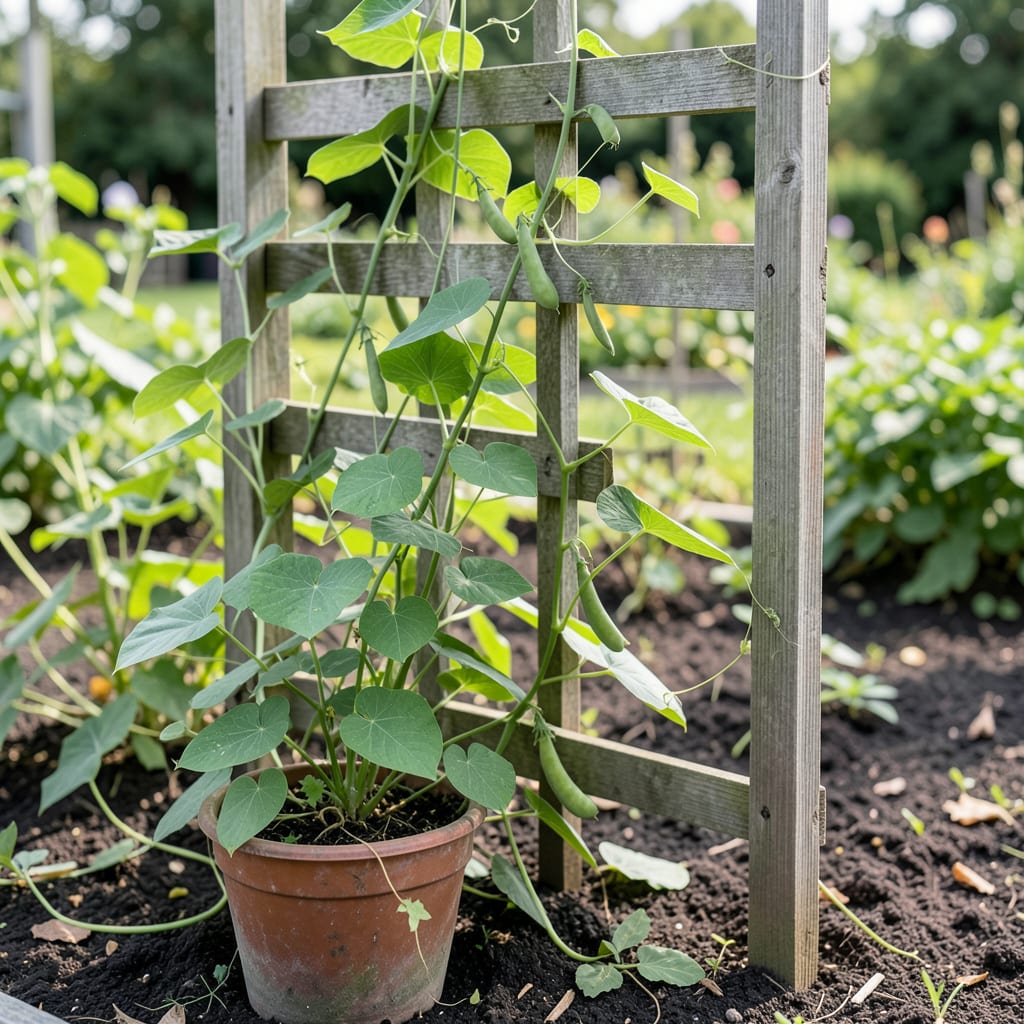
Growing 🥗 Peas can be a rewarding experience, but have you ever wondered just how tall they’ll grow? The height of your pea plants depends on several factors, including the variety you’re growing and the conditions you provide.
In USDA Zone 6a, where spring planting typically occurs in March and April, pea plants can reach varying heights. Let’s explore what influences their growth and how you can support them to reach their full potential.


Understanding how tall pea plants can grow is crucial for garden planning and maximizing yield. The height of pea plants is influenced by several key factors that every gardener should consider.
The variety of pea you’re growing plays a significant role in determining its height. Different types of peas, such as sugar snap, snow peas, and shelling peas, have varying growth habits. For example, some varieties are naturally more compact, while others can grow quite tall 🌿.
The soil quality is another critical factor affecting pea plant height. Peas thrive in well-draining, nutrient-rich soil that is rich in organic matter. Soil that is too dense or lacking in nutrients can limit root development and, consequently, the overall height of the plants 🌱.
Sunlight exposure is also vital for maximizing pea plant height. Peas require full sun, which means they need at least 6 hours of direct sunlight per day. Adequate sunlight encourages healthy growth and helps the plants reach their maximum height ☀️.
A support system can significantly impact how tall your pea plants will grow. Using trellises or stakes provides structural support, allowing the plants to grow vertically. This not only maximizes height but also improves air circulation and reduces the risk of disease 🌿.
In USDA Zone 6a, where the ideal planting window is March to April, pea plants typically have the right conditions to grow well. The cool spring weather and adequate moisture during this period support healthy growth and help the plants reach their full potential.
By understanding and optimizing these factors, gardeners can create the ideal conditions for their pea plants to grow tall and thrive. Proper planning and care can make a significant difference in the overall height and yield of the plants 🌻.
For gardeners looking to maximize their pea plant height, it’s essential to choose the right variety, prepare the soil properly, ensure adequate sunlight, and provide appropriate support. With these factors in mind, you can enjoy a bountiful harvest of delicious peas.
Maximizing pea plant height requires attention to detail and a bit of planning. By focusing on the key factors that influence growth, gardeners can enjoy taller, healthier plants that produce more abundant yields 🌼.
Overall, growing tall and healthy pea plants is achievable with the right combination of variety selection, soil preparation, sunlight, and support. By following these guidelines, gardeners can make the most of their garden space and enjoy a successful harvest.
To grow tall and healthy pea plants, gardeners need to focus on several key factors. The right combination of soil preparation, support systems, and nutrient management can make a significant difference in plant height 🌿.
First, let’s look at soil preparation. Peas thrive in well-draining, nutrient-rich soil that’s rich in organic matter. To achieve this, gardeners should add compost or well-rotted manure to the soil before planting. This improves soil structure and provides essential nutrients for healthy growth 🌱.
Use sturdy trellises or cages to support pea plants as they grow. This encourages vertical growth and helps prevent damage from wind or heavy rain 🌻.
Keep the soil consistently moist, but not waterlogged. Aim for about 1 inch of water per week, either from rainfall or irrigation 💧.
Feed your pea plants with a balanced fertilizer (such as 10-10-10 NPK) every 4-6 weeks. This provides the necessary nutrients for healthy growth and maximizes yield 📈.
By following these expert tips, gardeners can create optimal conditions for their pea plants to grow tall and thrive.
Maximizing pea plant height is achievable with the right techniques and attention to detail. By implementing these strategies, gardeners can enjoy a bountiful harvest of delicious peas and make the most of their garden space 🌻.
In conclusion, growing tall and healthy pea plants requires a combination of good soil preparation, proper support, and regular maintenance. By following these expert gardening tips, you can enjoy a successful harvest and maximize your yield 🌟.
When it comes to growing peas, selecting the right variety is crucial for maximizing height and yield. Different types of peas have unique growth habits that can significantly impact their height and overall performance in your garden 🌿.
There are several popular types of peas that gardeners can choose from, each with its own characteristics. Sugar snap peas are known for their sweet, crunchy pods and can grow quite tall, often reaching heights of 6 feet or more with proper support 🌻.
When choosing a pea variety, consider the available space in your garden and the type of support you can provide. Taller varieties like sugar snap peas require sturdy trellises or cages to reach their full height 🌟.
For smaller gardens or containers, more compact varieties like dwarf or bush peas might be a better fit. These varieties are bred to be more compact, typically growing to around 2-3 feet tall, and often require less support 🌱.
By selecting the right pea variety for your garden’s specific conditions, you can optimize both the height and yield of your pea plants. Whether you prefer the tall, climbing types or more compact varieties, there’s a pea type suited to your gardening needs and space constraints 🌼.
Understanding the growth habits of different pea varieties allows gardeners to plan their garden more effectively and make informed decisions about support structures and spacing. This knowledge can lead to healthier plants and a more bountiful harvest 🥗.
In conclusion, choosing the right pea variety is a critical step in achieving the desired height and yield in your garden. By considering factors like available space and support options, gardeners can select varieties that will thrive in their specific conditions 🌻.
Most pea plants typically grow between 2-6 feet tall, depending on the variety. Some compact varieties reach 2-3 feet, while climbing types can exceed 6 feet with proper support. The height is influenced by factors like soil quality and sunlight exposure .
Use sturdy trellises or cages to support pea plants as they grow. This encourages vertical growth and helps prevent damage from wind or heavy rain. You can also use twine or netting to provide additional support .
Yes, different pea varieties have varying growth habits. Sugar snap peas can grow up to 6 feet tall, while snow peas typically reach 3-4 feet. Shelling peas vary by variety, usually growing 2-5 feet tall. Choose a variety that suits your garden’s space and support capabilities .
Yes, poor soil quality can limit pea plant height. Peas thrive in well-draining, nutrient-rich soil that’s rich in organic matter. Adding compost or well-rotted manure before planting can improve soil structure and promote healthy growth, helping plants reach their maximum height .
