
Beautiful Plants For Your Interior
Beautiful Plants For Your Interior
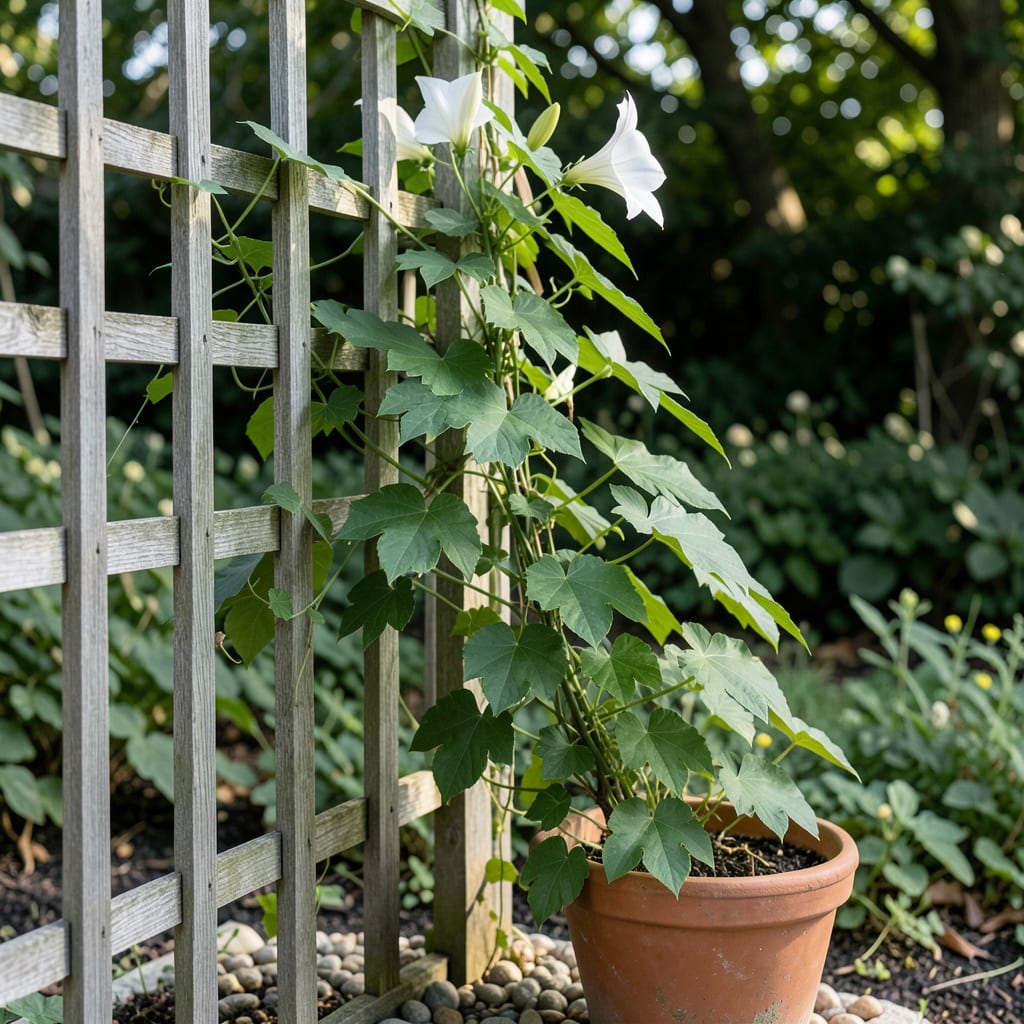
Moonflowers 🌙 are a gardener’s delight, with their stunning blooms and impressive height. If you’re wondering how tall they’ll grow, you’re not alone – understanding their growth habits is key to planning your garden’s vertical space.
On average, Moonflowers can reach heights of 10 to 15 feet, making them a striking addition to any garden in USDA Zone 6. Let’s explore the factors that influence their growth and how you can support these beautiful vines.


Moonflowers are known for their impressive growth, reaching heights of 10 to 15 feet. Several factors influence their height, including soil quality, sunlight, watering, and support structures. Understanding these elements helps gardeners create optimal conditions for their moonflowers 🌙.
The quality of the soil plays a significant role in determining moonflower height. Well-draining soil rich in organic matter promotes healthy root development, which in turn supports vigorous growth. Moonflowers thrive in soil with a pH between 6.0 and 7.0, making it essential to test and amend the soil accordingly.
Sunlight is another critical factor in moonflower growth. These plants require full sun to reach their maximum height potential. Ensuring they receive at least 6 hours of direct sunlight daily is crucial for optimal growth and blooming 🌟.
Watering practices also impact moonflower height. While they prefer consistently moist soil, overwatering can lead to root rot and stunted growth. Gardeners should aim for a balance, watering deeply but allowing the soil to dry slightly between waterings 🌱.
The use of support structures is vital for moonflowers, as they are vigorous climbers. Providing a sturdy trellis or fence allows the vines to climb and spread, maximizing their height and overall growth 🌿.
In addition to these factors, fertilization plays a role in moonflower height. Feeding the plants with a balanced fertilizer during the growing season can promote healthy growth and encourage them to reach their full height potential 📈.
Moonflowers are typically planted in spring after the last frost, when the soil has warmed to at least 60°F. This timing helps ensure they have the entire growing season to establish and grow 🌞.
Pruning and training are additional techniques that can influence moonflower height. By pruning back the tips of the vines, gardeners can encourage branching and more vigorous growth, potentially increasing the overall height of the plant ✂️.
Understanding these factors and providing the right conditions can help moonflowers achieve their impressive height. By focusing on soil quality, sunlight, watering, and support, gardeners can enjoy these stunning plants at their full potential 🌼.
For gardeners in USDA Zone 6, moonflowers can be a particularly rewarding addition to the garden, as they thrive in the zone’s climate and can add a dramatic vertical element to garden designs 🌿.
By carefully managing these growth factors, gardeners can optimize their moonflower’s height and enjoy the breathtaking blooms that these plants are known for 🌙.
In conclusion, achieving maximum height with moonflowers requires attention to detail and a commitment to providing optimal growing conditions. With the right care, these plants can become a stunning focal point in any garden 🌟.
To achieve maximum height with moonflowers, gardeners need to focus on several key factors that influence their growth. By understanding and optimizing these elements, you can help your moonflowers reach their full potential 🌙.
The first step is to ensure your moonflowers are receiving the right amount of sunlight. These plants require full sun to grow tall and strong, so choose a location that gets at least 6 hours of direct sunlight daily. This will help promote healthy growth and encourage the vines to climb higher 🌟.
Use a sturdy trellis or fence that can support the weight of the vines as they grow. This will give your moonflowers the structure they need to climb and reach their maximum height 🌿.
Ensure the soil is well-draining and rich in organic matter. A soil pH between 6.0 and 7.0 is ideal for moonflowers, promoting healthy root development and vigorous growth 🌱.
Keep the soil consistently moist but avoid waterlogging. Deep watering followed by a period of slight drying helps promote deep root growth and supports the plant’s overall height 📈.
In addition to these tips, fertilization can play a crucial role in maximizing moonflower height. Feeding your plants with a balanced fertilizer during the growing season can provide the necessary nutrients for vigorous growth and blooming 🌼.
Pruning and training are also effective techniques for influencing moonflower height. By pruning back the tips of the vines, you can encourage branching and more vigorous growth, potentially increasing the overall height of the plant ✂️.
For gardeners in USDA Zone 6, moonflowers are a rewarding choice, thriving in the zone’s climate and adding a dramatic vertical element to garden designs 🌿.
By following these expert tips and providing the right conditions, you can help your moonflowers achieve their impressive height and enjoy their breathtaking blooms 🌙.
In summary, maximizing moonflower height requires a combination of proper care, optimal growing conditions, and effective support structures. With these strategies, you can enjoy these stunning plants at their full potential 🌟.
Growing moonflowers can be a rewarding experience, but certain mistakes can limit their growth and prevent them from reaching their full potential. Understanding these common pitfalls helps gardeners take corrective action to ensure healthy development 🌙.
One of the most significant mistakes is poor soil preparation. Moonflowers require well-draining soil rich in organic matter to thrive. Failing to amend the soil properly can lead to poor root development and stunted growth 🌱.
Overwatering can lead to root rot and other problems that stunt moonflower growth. Ensure the soil drains well and avoid waterlogging.
Insufficient sunlight is another common mistake. Moonflowers need full sun to grow tall and strong. Planting them in a location that doesn’t receive at least 6 hours of direct sunlight daily can significantly impact their height 🌟.
Lack of proper support can also limit moonflower growth. These vigorous climbers need a sturdy trellis or fence to climb on. Without adequate support, the vines may become tangled and fail to reach their maximum height 🌿.
Improper fertilization can affect moonflower height as well. While feeding with a balanced fertilizer is beneficial, overfertilization can lead to excessive foliage growth at the expense of blooms 📈.
To avoid these mistakes, gardeners should focus on creating optimal growing conditions for their moonflowers. This includes preparing the soil properly, ensuring adequate sunlight, providing proper support, and practicing balanced fertilization 🌼.
By being aware of these common mistakes and taking steps to avoid them, gardeners can help their moonflowers achieve their full growth potential and enjoy the beautiful blooms these plants are known for 🌙.
In summary, avoiding common mistakes is crucial for maximizing moonflower height. By providing the right conditions and care, gardeners can enjoy these stunning plants at their full potential 🌟.
Moonflowers can reach impressive heights of 10 to 15 feet when given optimal growing conditions. Their vigorous climbing nature allows them to scale trellises or fences effectively. With proper care, they can become a stunning vertical element in any garden .
Several key factors affect moonflower height, including soil quality, sunlight exposure, watering practices, and support structures. Well-draining soil rich in organic matter and full sun (at least 6 hours daily) are crucial for maximum growth. Proper support is also essential as these are vigorous climbers .
To maximize height, ensure your moonflowers receive full sun and are planted in well-draining soil rich in organic matter. Provide a sturdy trellis or fence for climbing support, maintain consistent moisture without waterlogging, and fertilize with a balanced fertilizer during the growing season .
The best time to plant moonflowers is in spring after the last frost, when soil has warmed to at least 60°F. This timing gives them the entire growing season to establish and grow, helping them reach their full height potential .
