
Beautiful Plants For Your Interior
Beautiful Plants For Your Interior
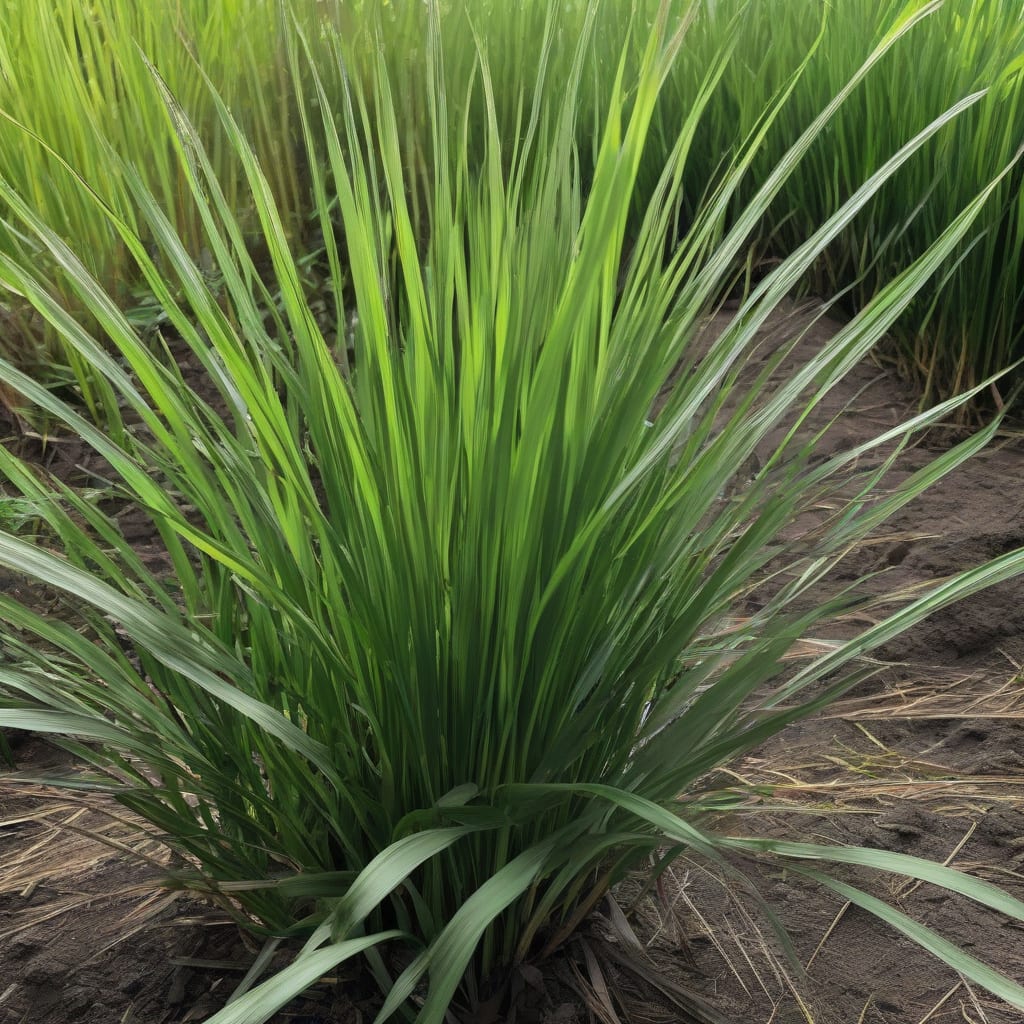
When growing lemongrass 🌿 in your garden, understanding its potential height is crucial for proper planning. In ideal conditions, lemongrass can grow quite tall, reaching heights that might surprise many gardeners.
Let’s explore how tall lemongrass can actually grow and what factors influence its ultimate height, helping you make informed decisions for your garden in USDA Zone 9b.


When growing lemongrass 🌿, understanding the factors that influence its height is crucial for optimal garden planning. The height of lemongrass can vary significantly based on several key factors including climate, soil quality, watering practices, and sunlight exposure.
Let’s explore these factors in more detail to understand how they impact lemongrass growth and how we can create ideal conditions for maximum height.
In ideal conditions, lemongrass can grow between 3 to 6 feet tall, with some varieties reaching up to 8 feet in optimal growing conditions. 🌿
The height of lemongrass is influenced by both genetic factors and environmental conditions. Understanding these factors helps gardeners create the right conditions for their lemongrass to thrive.
Let’s examine the specific growth characteristics and factors that affect lemongrass height in more detail.
By understanding these factors, we can better manage our lemongrass plants to achieve the desired height while maintaining their health and productivity.
Proper care and maintenance play a crucial role in maximizing lemongrass height and overall plant health.
Effective gardening practices can significantly impact how tall lemongrass will grow in different environments.
When planning your garden, it’s essential to consider the mature height of lemongrass and how it fits into your overall garden design.
Understanding the growth patterns and space requirements helps in creating a harmonious garden ecosystem.
Let’s explore the practical aspects of managing lemongrass height in various growing conditions.
Different environments present unique challenges and opportunities for growing lemongrass to its full potential height.
By adapting our gardening practices to these conditions, we can optimize lemongrass growth.
Successful lemongrass cultivation requires a combination of proper care, suitable growing conditions, and understanding of the plant’s growth habits.
To achieve optimal lemongrass height, understanding the best practices for cultivation is essential. Proper care and maintenance play a crucial role in maximizing lemongrass height while maintaining plant health. Let’s explore the practical gardening advice that can help you grow lemongrass to its full potential height.
Ensure your lemongrass receives full sun for at least 6 hours daily and is planted in well-draining soil rich in organic matter.
Water your lemongrass weekly during the growing season, ensuring the soil remains consistently moist but not waterlogged.
Apply a balanced fertilizer every 4-6 weeks during the growing season to promote healthy growth and maximize height.
By following these best practices, you can create an optimal environment for your lemongrass to reach its full potential height. Regular maintenance and attention to the plant’s needs will ensure healthy growth and maximize the height of your lemongrass.
Understanding the specific needs of lemongrass and adapting your gardening practices accordingly is key to achieving the desired height. With proper care, lemongrass can grow between 3 to 6 feet tall, making it a valuable addition to any garden.
Effective gardening practices, including proper watering, fertilization, and sunlight exposure, significantly impact how tall lemongrass will grow. By optimizing these factors, you can ensure your lemongrass reaches its maximum height potential.
Successful lemongrass cultivation requires a combination of proper care, suitable growing conditions, and understanding of the plant’s growth habits. By following these tips and best practices, you can enjoy a bountiful harvest of lemongrass.
For more information on growing lemongrass and other gardening tips, stay tuned for our upcoming articles. Happy gardening! 🌱
When growing lemongrass in various environments, understanding how to manage its height is crucial for successful cultivation. Different growing conditions present unique challenges that can affect lemongrass height.
When growing lemongrass in containers, choose pots that are at least 12 inches deep to accommodate its root system. Use well-draining soil to prevent waterlogging, which can limit height growth.
In container growing, maintaining consistent moisture is crucial as pots dry out faster than ground soil. Regular fertilization with a balanced fertilizer every 4-6 weeks during the growing season helps maximize height.
For indoor cultivation, ensure lemongrass receives at least 6 hours of direct sunlight daily. If natural light is limited, consider using supplemental grow lights to support healthy growth and maximum height.
Temperature control is also vital; keep indoor temperatures between 70-90°F (21-32°C) to mimic the plant’s natural tropical environment, promoting optimal growth.
By adapting your gardening practices to the specific growing conditions, you can effectively manage lemongrass height and ensure a healthy, productive plant. 🌿
