
Beautiful Plants For Your Interior
Beautiful Plants For Your Interior
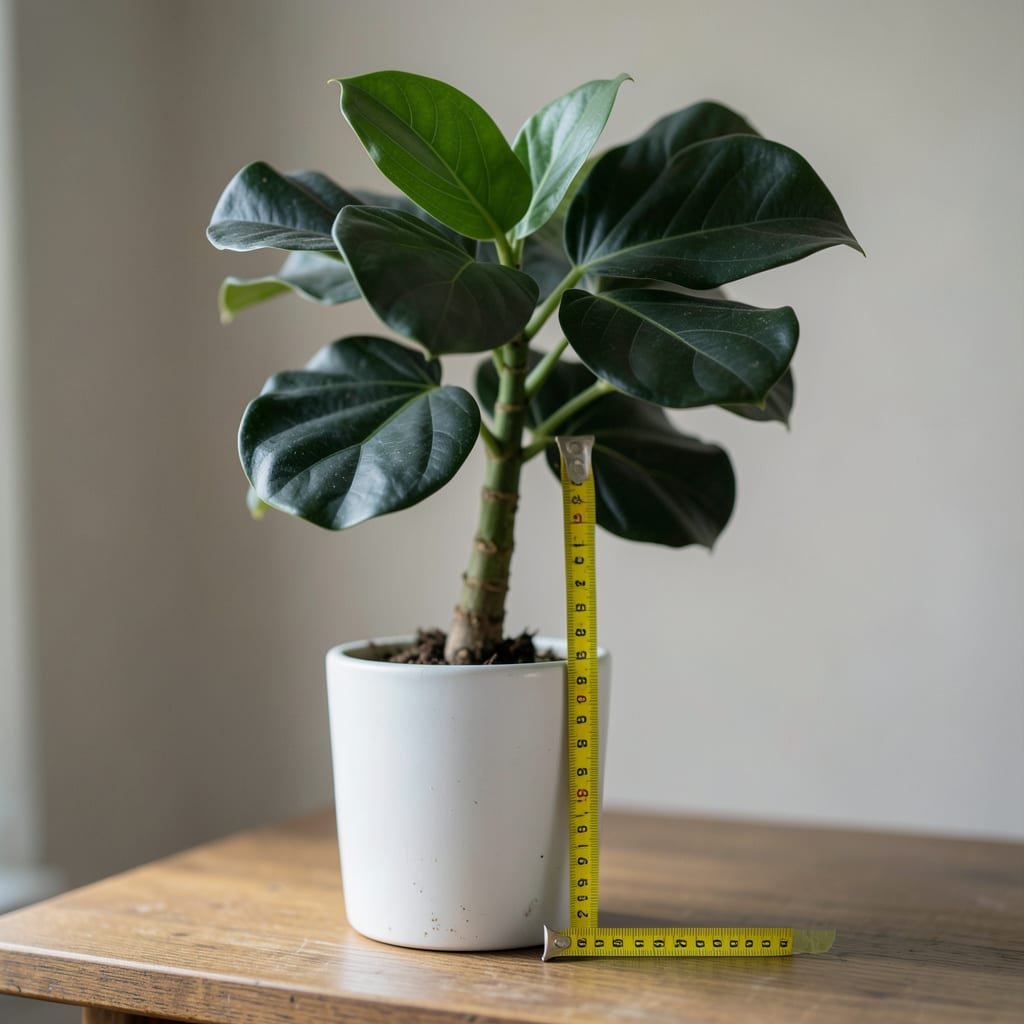
Fiddle leaf figs 🪴 have become a popular houseplant, but their growth potential often raises questions. Understanding how tall these plants can grow helps you plan your space and care routine effectively in your USDA Zone 6a environment.
The maximum height of a fiddle leaf fig can reach 10 feet under ideal conditions. Factors like lighting, watering, and pruning play a crucial role in determining their actual growth. Let’s explore what you can expect and how to support your plant’s development.


Fiddle leaf figs are known for their impressive growth potential, with some specimens reaching heights of up to 10 feet in ideal conditions. This makes them a significant presence in any indoor space, requiring careful planning for their mature size.
The natural growth habit of fiddle leaf figs is characterized by a single, straight trunk with large leaves that can create a dramatic display. In their native habitat, they can grow even taller, making them a striking addition to any room 🌿.
The height potential of fiddle leaf figs is influenced by various factors, including lighting conditions, watering practices, and nutrient availability. Plants receiving optimal care can grow consistently and reach their full height potential.
Understanding these growth characteristics helps you plan for the long-term care of your fiddle leaf fig. Proper care can support healthy development and maximize the plant’s vertical growth 🌿.
Fiddle leaf figs typically follow a steady growth pattern, with most growth occurring during the spring and summer months. This natural growth cycle is important to consider when planning care and maintenance routines.
To achieve maximum height, fiddle leaf figs require optimal growing conditions, including bright indirect light and consistent watering. These conditions support the plant’s natural development and help it reach its full potential.
Regular monitoring of your plant’s growth helps you adjust care practices as needed. This proactive approach ensures your fiddle leaf fig remains healthy and continues to develop properly 🌱.
While fiddle leaf figs can grow quite tall, they can be maintained at a desired height through pruning. This allows you to control the plant’s size while still enjoying its attractive foliage and structural presence.
The mature size of a fiddle leaf fig makes it suitable for various indoor spaces, from living rooms to office environments. Their impressive height and elegant appearance create a striking visual impact.
By understanding the growth potential of fiddle leaf figs, you can make informed decisions about their placement and care. This knowledge helps you create an optimal environment for your plant to thrive and reach its maximum height potential 🌿.
Proper care and maintenance are essential for supporting the healthy growth of your fiddle leaf fig. By providing the right conditions and monitoring your plant’s development, you can enjoy its beauty for years to come.
Fiddle leaf figs are known for their impressive growth potential, but several factors can influence their actual height. Understanding these factors helps you create optimal growing conditions for your plant 🪴.
Lighting conditions play a crucial role in determining the growth height of fiddle leaf figs. These plants thrive in bright, indirect light, which supports healthy development and vertical growth. Inadequate light can lead to leggy growth or stunted development.
In addition to lighting, watering practices significantly impact the growth height of fiddle leaf figs. These plants prefer consistent moisture but are sensitive to overwatering. Proper watering techniques help maintain healthy root development and support vertical growth 🌱.
Fertilization is another critical factor that influences the growth height of fiddle leaf figs. Using a balanced fertilizer during the growing season provides essential nutrients that support healthy development and maximize the plant’s vertical growth potential.
Pruning techniques also play a role in managing the height of fiddle leaf figs. Regular pruning helps maintain a desired height while promoting healthy growth and development. Proper pruning practices ensure your plant remains attractive and well-proportioned 🌿.
By understanding and managing these factors, you can create an optimal environment for your fiddle leaf fig to thrive and reach its full height potential. Regular monitoring and adjustments to care practices help support healthy growth and development 🌱.
Maintaining optimal growing conditions is essential for supporting the healthy growth of your fiddle leaf fig. By providing the right environment and care, you can enjoy your plant’s beauty for years to come.
Fiddle leaf figs are relatively adaptable plants, but they still require careful attention to their growing conditions. By understanding the factors that influence their growth height, you can make informed decisions about their care.
With proper care and attention, fiddle leaf figs can become a stunning addition to any indoor space. Their impressive height and elegant appearance create a striking visual impact that enhances any room 🌿.
Managing the height of your fiddle leaf fig is crucial for maintaining its aesthetic appeal and ensuring it fits well within your indoor space. Proper techniques can help you control the plant’s height while promoting healthy growth 🌱.
One effective method for managing fiddle leaf fig height is through regular pruning. Pruning helps maintain a desired height and encourages the plant to develop a fuller, more balanced shape. By removing excessive growth, you can keep your fiddle leaf fig looking its best 🌿.
Evaluate the height and shape of your fiddle leaf fig to determine the best pruning strategy.
Remove any excessive or leggy growth to maintain the desired height and promote a balanced shape.
Regularly check your plant’s growth and adjust your pruning strategy as needed to maintain the desired height.
In addition to pruning, training your fiddle leaf fig can help manage its height. By gently guiding the plant’s growth, you can encourage it to develop in a way that suits your space. This might involve staking the plant or rotating it to ensure even growth 🌱.
Repotting is another consideration when managing fiddle leaf fig height. Moving your plant to a larger pot can provide more room for root development, which can support overall growth. However, be cautious not to over-pot, as this can lead to other issues 🌿.
Maintaining optimal growing conditions is essential for supporting the healthy growth of your fiddle leaf fig. By providing the right environment and care, you can enjoy your plant’s beauty for years to come.
By understanding and implementing these height management techniques, you can keep your fiddle leaf fig looking its best while ensuring it remains a beautiful addition to your indoor space 🌿.
Fiddle leaf figs typically grow 1-2 feet per year under optimal conditions. Factors like lighting, watering, and fertilization can influence their growth rate. With proper care, these plants can develop consistently and reach their full height potential.
Yes, you can manage the height of your fiddle leaf fig through regular pruning. Pruning helps maintain a desired height and encourages a fuller shape. By removing excessive growth, you can keep your plant looking its best. Regular monitoring and adjustments to your pruning strategy help maintain the desired height.
Fiddle leaf figs thrive in bright, indirect light, which supports healthy development and vertical growth. Inadequate light can lead to leggy growth or stunted development. Providing 6+ hours of bright, indirect sunlight daily helps promote optimal growth.
Fiddle leaf figs can experience periods of slowed growth, especially during winter months or when they’re not receiving optimal care. Ensuring proper lighting, watering, and fertilization can help support continued growth. If your plant is healthy but not growing, it might be dormant – be patient and maintain good care practices.
