
Beautiful Plants For Your Interior
Beautiful Plants For Your Interior
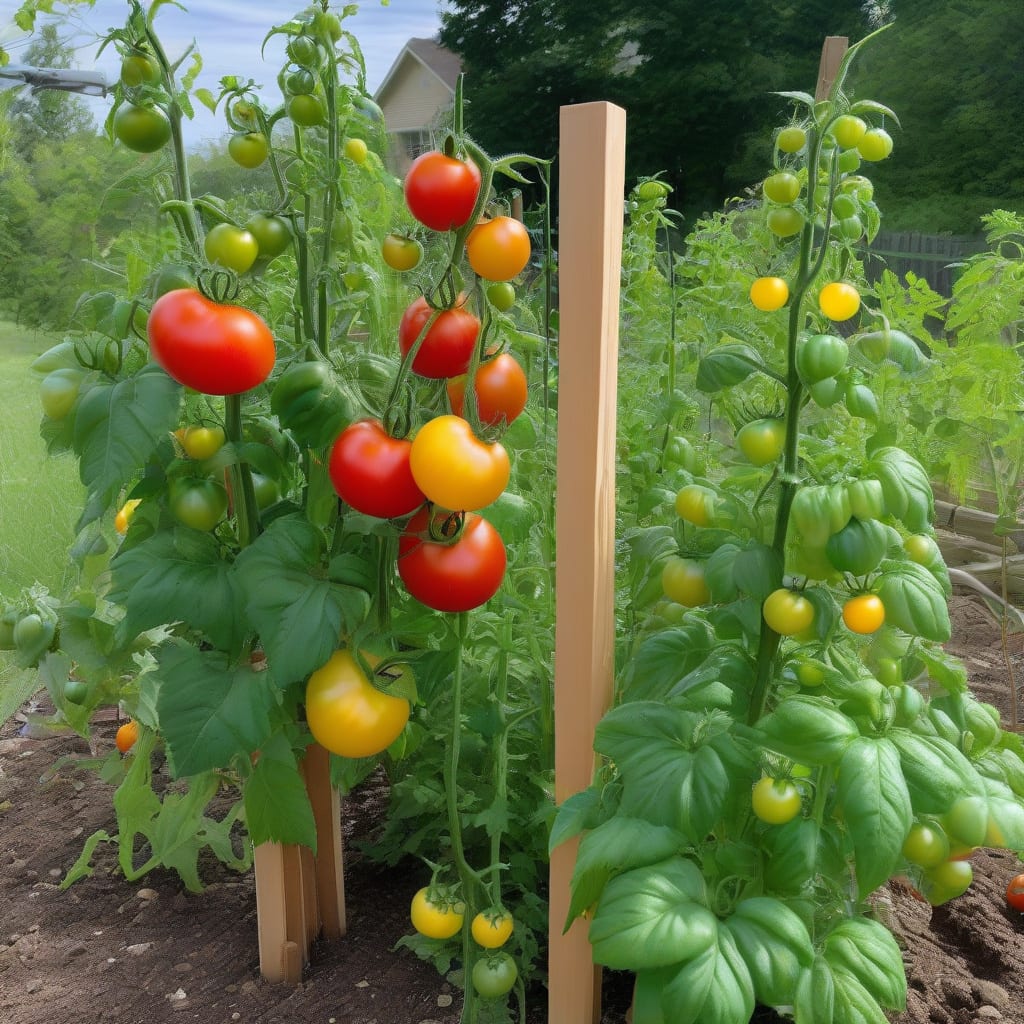
Growing 🍅 tomatoes can be a rewarding experience, but have you ever wondered just how tall they can grow? The height of tomato plants varies significantly based on factors like variety, growing conditions, and care practices.
In USDA Zone 6, tomato plants typically reach between 3-6 feet tall. Understanding these factors is crucial for maximizing yield and maintaining plant health. Let’s explore what influences tomato plant height and how to support their growth.


Understanding how tall tomatoes can grow involves examining several key factors that influence their height. Genetics play a crucial role, as different tomato varieties have distinct growth patterns.
The main factors affecting tomato plant height include genetics, growing conditions, and cultivation practices. Each of these elements contributes significantly to the overall height and health of the plant.
Different tomato varieties exhibit unique growth characteristics. Determinate tomatoes typically grow to a certain height and then stop, while indeterminate tomatoes continue to grow throughout the season. This fundamental difference impacts affects affects affects affects affects the height and management of the plants. 🌼
Soil quality is another critical factor, as it directly impacts nutrient availability and drainage. Tomatoes require well-draining, nutrient-rich soil to grow tall and healthy. Poor soil conditions can limit root development and overall plant height. 🌱
Sunlight exposure is essential for tomato plants, as it drives photosynthesis and growth. Tomatoes generally require 6-8 hours of direct sunlight per day to grow tall and produce well. Insufficient light can result in leggy plants that are more susceptible to disease. 🌻
Watering practices also play a significant role in determining tomato plant height. Consistent moisture levels promote healthy growth, while inconsistent watering can stress the plants and limit their height. Deep watering encourages deep root growth, supporting taller plants. 💧
Pruning is a cultivation practice that can significantly influence tomato plant height. By removing suckers and shaping the plant, you can direct the plant’s energy toward vertical growth and fruit production. Effective pruning techniques can help manage the plant’s height and improve overall yield. ✂️
In USDA Zone 6, tomato plants typically reach between 3-6 feet tall, depending on the variety and growing conditions. Understanding these factors helps gardeners optimize their tomato cultivation practices for maximum height and yield. 🌟
By considering these factors and adjusting your gardening practices accordingly, you can promote healthy growth and maximize the height of your tomato plants. This, in turn, can lead to a more bountiful harvest and a more satisfying gardening experience. 🌼
Tomato plants are warm-season crops that thrive in temperatures between 65-85°F. Temperatures outside this range can stress the plants and affect their growth. In areas with cooler climates, additional care may be needed to protect the plants. ❄️
Supporting tall tomato plants often requires additional structures like trellises or cages. These supports help manage the plant’s height and keep it upright, reducing the risk of damage from wind or fruit weight. Proper support is crucial for maintaining plant health and maximizing yield. 🌿
Overall, the height of tomato plants is a complex trait influenced by multiple factors. By understanding and managing these factors, gardeners can cultivate healthy, productive tomato plants that reach their full potential height. 🌟
Effective pruning is crucial for promoting vertical growth in tomato plants. By removing suckers and shaping the plant, you can direct its energy toward upward growth and fruit production.
Pruning helps maintain plant health by improving air circulation and reducing disease risk. It also allows more sunlight penetration to lower leaves, promoting overall plant vigor.
Remove shoots between main stem and branches to promote upward growth.
Selectively remove lower leaves to improve air circulation and reduce disease risk.
Limit the plant’s height by pinching the top growth when it reaches desired height.
Pruning should be done carefully to avoid stressing the plant. Make clean cuts just above a leaf node using sharp, clean tools to minimize damage.
The timing of pruning is important – start when plants are young and actively growing. Regular maintenance pruning throughout the season helps maintain plant shape and promotes continuous vertical growth.
For indeterminate tomato varieties, more aggressive pruning is often necessary to control their vigorous growth. Remove lower leaves and weak growth to direct energy to the main stem.
Proper pruning techniques can significantly impact tomato plant height. By focusing on removing suckers and shaping the plant, you can encourage healthier, taller growth that supports better fruit production.
Regular pruning also makes it easier to support tall plants with trellises or cages, further enhancing their growth potential and overall yield.
By mastering these pruning techniques, you can maximize the height of your tomato plants and enjoy a more productive growing season with healthier, more vigorous plants.
Tall tomato plants require proper support to maximize their growth potential and yield. Without adequate support, these plants can become unwieldy and prone to damage.
There are several effective methods for supporting tall tomato plants, including trellising, staking, and caging. Each method has its advantages and can be chosen based on the specific needs of your garden and the variety of tomato you’re growing.
When choosing a support method, consider the space available in your garden and the growth habit of your tomato variety. Indeterminate varieties, which continue to grow throughout the season, often require more robust support systems.
Proper support not only helps manage the plant’s height but also improves air circulation around the plants, reducing the risk of disease. It also makes it easier to harvest fruit by keeping the plants upright and organized.
By implementing an appropriate support system, you can significantly enhance the productivity of your tomato plants. This, combined with good pruning practices, can lead to a more bountiful harvest and healthier plants.
Regularly check and adjust your support structures as the plants grow. This ensures that the plants remain supported throughout the growing season.
With the right support, tall tomato plants can thrive and produce an abundant harvest. This makes the effort of providing support well worth it for any gardener looking to maximize their tomato yield.
