
Beautiful Plants For Your Interior
Beautiful Plants For Your Interior
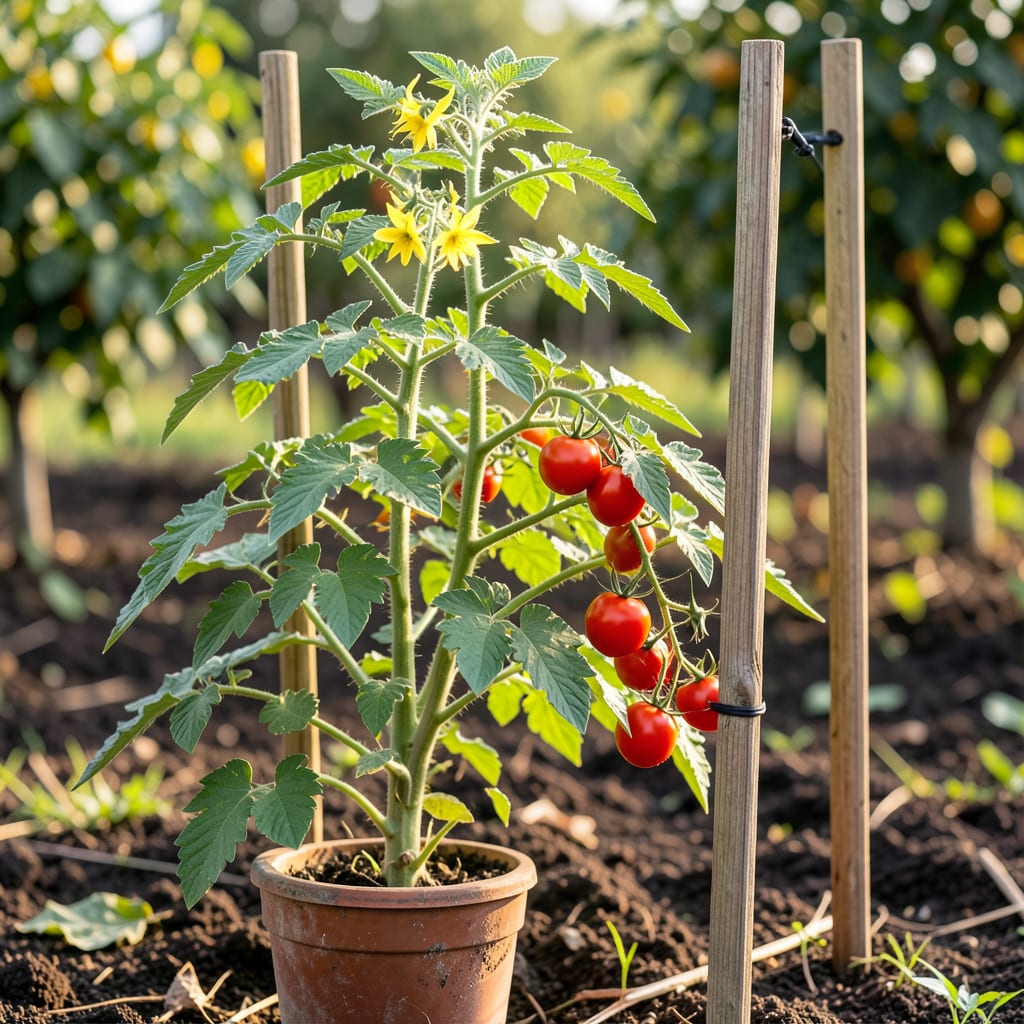
Growing tomato plants 🍅 can be a rewarding experience, but determining the ideal height can be tricky. Too tall, and you risk reduced yield and plant damage; too short, and you might not get the most out of your plants.
I’ve learned that the key to maximizing your harvest is understanding how to control the height of your tomato plants effectively. Let’s explore the factors that influence their growth and how to prune them for optimal results in USDA Zone 6.


When growing tomato plants, understanding the ideal height is crucial for maximizing yield and preventing damage. The height of your tomato plants can vary significantly based on several factors, including the variety, growing conditions, and support systems.
I always consider these factors when determining the optimal height for my tomato plants. For instance, indeterminate varieties can grow much taller than determinate ones. Let’s dive into the specifics to understand how to manage your tomato plants effectively.
The variety of tomato plant you’re growing plays a significant role in determining its ideal height. Indeterminate tomatoes will continue to grow throughout the season, while determinate tomatoes grow to a certain height and then stop. 🌱
Understanding these factors helps you make informed decisions about how to support your tomato plants. By providing the right conditions and support, you can optimize their growth and enjoy a bountiful harvest.
For indeterminate varieties, it’s essential to provide support as they grow. This can include using tall trellises or stakes to keep the plants upright and encourage vertical growth.
On the other hand, determinate varieties require less support since they naturally grow to a more compact size. However, some support can still be beneficial to keep the plants off the ground and reduce the risk of disease.
In my experience, the key to successful tomato cultivation is understanding the specific needs of your plants. By considering the variety and providing the right support, you can ensure your tomato plants reach their full potential.
Regular monitoring and pruning are also crucial. By removing suckers and lower leaves, you can direct the plant’s energy towards fruit production and maintain a manageable height.
It’s also worth noting that growing conditions can significantly impact the height of your tomato plants. Ensuring they receive adequate sunlight and water is essential for healthy growth.
By combining the right variety with optimal growing conditions and appropriate support, you can achieve a healthy and productive tomato plant. This approach not only maximizes your yield but also makes the growing process more enjoyable and rewarding.
In summary, understanding the factors that influence the height of your tomato plants allows you to make informed decisions about their care. By choosing the right variety and providing appropriate support, you can optimize their growth and enjoy a successful harvest. 🌟
When it comes to managing the height of tomato plants, pruning is a crucial technique. By pruning your tomato plants effectively, you can control their height while maximizing their yield. I’ve found that pruning helps direct the plant’s energy towards fruit production.
To start pruning, you’ll need to understand the basic structure of a tomato plant. The main stem, or leader, is the central stem that grows upwards. Suckers are the shoots that grow between the main stem and the branches. Removing these suckers can help control the plant’s height and promote better fruiting.
Remove lower leaves to prevent soil-borne diseases and improve air circulation.
Remove suckers to control the plant’s height and promote fruiting.
Top the plant to control its height and encourage bushy growth.
Pruning is not a one-time task; it requires regular monitoring and maintenance. By regularly removing suckers and lower leaves, you can keep your tomato plants healthy and productive.
In my experience, the key to successful pruning is understanding the specific needs of your plants. By combining pruning with other growing techniques, such as staking and training, you can optimize your tomato plants’ growth and enjoy a bountiful harvest.
It’s also worth noting that different tomato varieties may require different pruning techniques. For example, indeterminate varieties benefit from more aggressive pruning to control their height, while determinate varieties may require less pruning.
By mastering the art of pruning, you can take control of your tomato plants’ height and maximize their yield. With regular practice and attention to detail, you’ll be enjoying a healthy and productive harvest in no time. 🌟
When growing indeterminate tomato varieties, providing adequate support is crucial for maximizing yield and preventing damage. Tall tomato plants can become top-heavy with fruit, making them prone to breaking or bending.
I’ve found that using the right support systems can make a significant difference in the health and productivity of your tomato plants. Let’s explore some effective methods for supporting tall tomato plants.
Using these support systems can help prevent damage to your tomato plants and ensure they continue to produce fruit throughout the growing season. By keeping the plants upright and organized, you can also improve air circulation and reduce the risk of disease.
In my experience, the key to successful tomato cultivation is providing the right support at the right time. By combining support systems with other growing techniques, such as pruning and training, you can optimize your tomato plants’ growth and enjoy a bountiful harvest.
It’s also worth noting that different tomato varieties may require different types of support. For example, indeterminate varieties benefit from more substantial support systems, while determinate varieties may require less.
By choosing the right support system for your tomato plants, you can ensure they remain healthy and productive throughout the growing season. With the right care and attention, you’ll be enjoying a successful harvest in no time. 🌟
Regular monitoring and maintenance are essential to ensure your support systems are effective. By checking your plants regularly and making adjustments as needed, you can prevent damage and promote healthy growth.
In summary, supporting tall tomato plants is crucial for maximizing yield and preventing damage. By using the right support systems and combining them with other growing techniques, you can optimize your tomato plants’ growth and enjoy a successful harvest.
Indeterminate tomato plants can grow quite tall, typically between 6-10 feet. The ideal height depends on your support system – with proper staking or trellising, you can manage their height effectively while maximizing yield. Regular pruning is key to controlling their growth.
Prune your tomato plants regularly, ideally every 1-2 weeks, to control their height and promote healthy growth. Remove suckers and lower leaves to direct the plant’s energy towards fruit production. This will help maintain a manageable height and encourage better fruiting.
Determinate tomato plants are naturally more compact and typically grow to 3-4 feet tall. While they can still benefit from some support, they’re less likely to become too tall. However, providing some support can help keep them off the ground and reduce disease risk.
Tall tomato plants benefit from sturdy support systems like trellises, stakes, or cages. These help keep the plants upright, promote vertical growth, and prevent damage from the weight of the fruit. Choose a support that suits your plant variety and growing conditions.
