
Beautiful Plants For Your Interior
Beautiful Plants For Your Interior
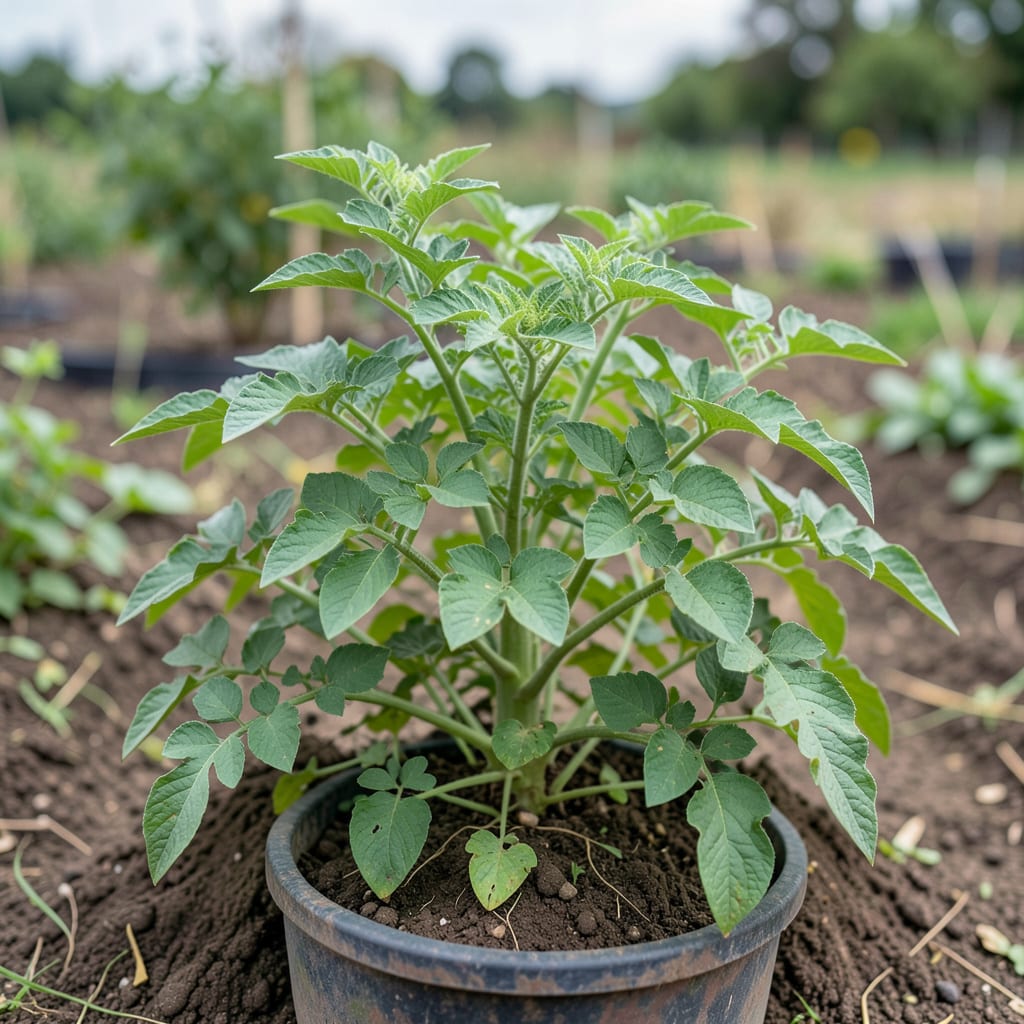
Growing Potato 🥔 plants can be a rewarding experience, especially when you know what to expect. In USDA Zone 6, these plants typically grow between 2-3 feet tall during the spring season.
Understanding the ideal height of your Potato plants is crucial for maximizing your harvest. I’ll guide you through what to look for and how to support healthy growth for a bountiful yield.

Understanding the ideal height of potato plants is crucial for maximizing your harvest and ensuring healthy growth throughout the season. Potato plants typically grow between 2-3 feet tall, with some varieties reaching heights of up to 4 feet under optimal conditions 🌿.
The height of potato plants can vary depending on factors such as soil quality, sunlight, and watering. In general, healthy potato plants should have sturdy stems and dark green leaves 🌻.
The ideal height for potato plants is influenced by several key factors, including variety, climate, and cultural practices. Understanding these factors is essential for optimizing plant growth and yield.
Different potato varieties have distinct growth habits that affect their final height. Some determinate varieties grow more compactly, while indeterminate varieties tend to grow taller and require more support.
Climate conditions also play a significant role in determining potato plant height. Plants grown in cooler temperatures with adequate moisture tend to grow more vigorously than those in hotter, drier conditions.
Proper cultural practices, such as hilling and fertilization, can also impact potato plant height. Hilling, in particular, encourages the development of additional tubers by covering the base of the plants with soil.
Monitoring the height of your potato plants is essential for identifying potential issues early. Plants that are significantly shorter or taller than expected may be experiencing stress or nutrient deficiencies.
By understanding the factors that influence potato plant height, you can take steps to optimize growing conditions and maximize your harvest. Regular monitoring and appropriate cultural practices are key to achieving healthy, productive plants 🌟.
Maintaining optimal growing conditions is crucial for healthy potato plant growth. This includes ensuring adequate sunlight, consistent moisture, and proper soil nutrition.
Potato plants require full sun to produce well, so choose a location that receives at least 6 hours of direct sunlight per day. Consistent moisture is also critical, especially during tuber formation.
In terms of soil nutrition, potato plants benefit from balanced fertilization. A fertilizer with a ratio such as 5-10-10 (N-P-K) is often recommended for potatoes.
By focusing on these key aspects, you can create an optimal environment for your potato plants to grow and produce a bountiful harvest 🥔.
Regular maintenance, including hilling and pest management, is essential for healthy potato plant growth. Hilling involves covering the base of the plants with soil to encourage additional tuber development.
Effective pest and disease management is also critical. Keep an eye out for signs of pests or diseases, and take action promptly to prevent their spread.
By combining good cultural practices with regular monitoring, you can ensure that your potato plants remain healthy and productive throughout the growing season 🌿.
The height of potato plants is influenced by several key factors that also impact their yield. Understanding these factors is essential for optimizing growing conditions and maximizing your harvest 🌿.
Soil quality plays a significant role in determining potato plant height. Soil that is rich in organic matter and has good drainage supports healthy growth. Poor soil conditions can lead to stunted or weak plants.
Sunlight is another critical factor affecting potato plant height. Potato plants require full sun to produce well, so choose a location that receives at least 6 hours of direct sunlight per day.
Watering practices also impact potato plant height. Consistent moisture is essential, especially during tuber formation. However, overwatering can lead to disease and rot 🌟.
The variety of potato being grown can also influence plant height. Some varieties are naturally more compact, while others can grow quite tall. Understanding the specific needs and characteristics of your potato variety is crucial for optimizing its growth.
By understanding and managing these factors, you can create optimal conditions for your potato plants to grow and produce a bountiful harvest 🥔.
Regular monitoring of your potato plants’ height and overall health can help you identify any issues early on. This allows you to take corrective action, such as adjusting your watering schedule or addressing nutrient deficiencies.
Effective management of the factors affecting potato plant height is key to achieving a successful harvest. By providing optimal growing conditions and addressing any issues promptly, you can maximize your yield and enjoy a healthy crop of potatoes 🌻.
Managing potato plant height is crucial for maximizing yield and ensuring healthy growth. One effective technique is hilling, which involves covering the base of the plants with soil to encourage additional tuber development 🌱.
Begin hilling when plants are about 6 inches tall. This encourages tuber formation and supports plant growth.
Keep an eye on your potato plants’ height and hill as needed to maintain optimal growing conditions.
Be careful not to bury the leaves too deeply, as this can reduce plant growth and yield 🌟.
In addition to hilling, pruning can be an effective way to manage potato plant height. Removing excess foliage can help control plant height and promote healthier growth 🌿.
It’s also important to ensure that your potato plants receive adequate nutrients. A balanced fertilizer can help support healthy growth and maximize yield.
By implementing these techniques, you can effectively manage your potato plants’ height and create optimal conditions for a bountiful harvest 🥔.
Regular monitoring and maintenance are key to successful potato cultivation. Keep an eye on your plants’ height and overall health, and take action promptly if you notice any issues.
With proper care and attention, you can enjoy a healthy and productive potato crop. Happy gardening! 🌻
Potato plants typically grow between 2-3 feet tall, with some varieties reaching heights of up to 4 feet under optimal conditions. Healthy plants should have sturdy stems and dark green leaves .
If your potato plants are growing too tall, it may be due to excessive nitrogen in the soil or insufficient hilling. Consider adjusting your fertilization schedule and hilling practices to control plant height .
Start hilling when plants are about 6 inches tall, and continue to add soil around the base of the stems as they grow. This encourages tuber formation and supports plant growth .
Yes, pruning can be an effective way to manage potato plant height. Removing excess foliage can help control plant height and promote healthier growth .
