
Beautiful Plants For Your Interior
Beautiful Plants For Your Interior
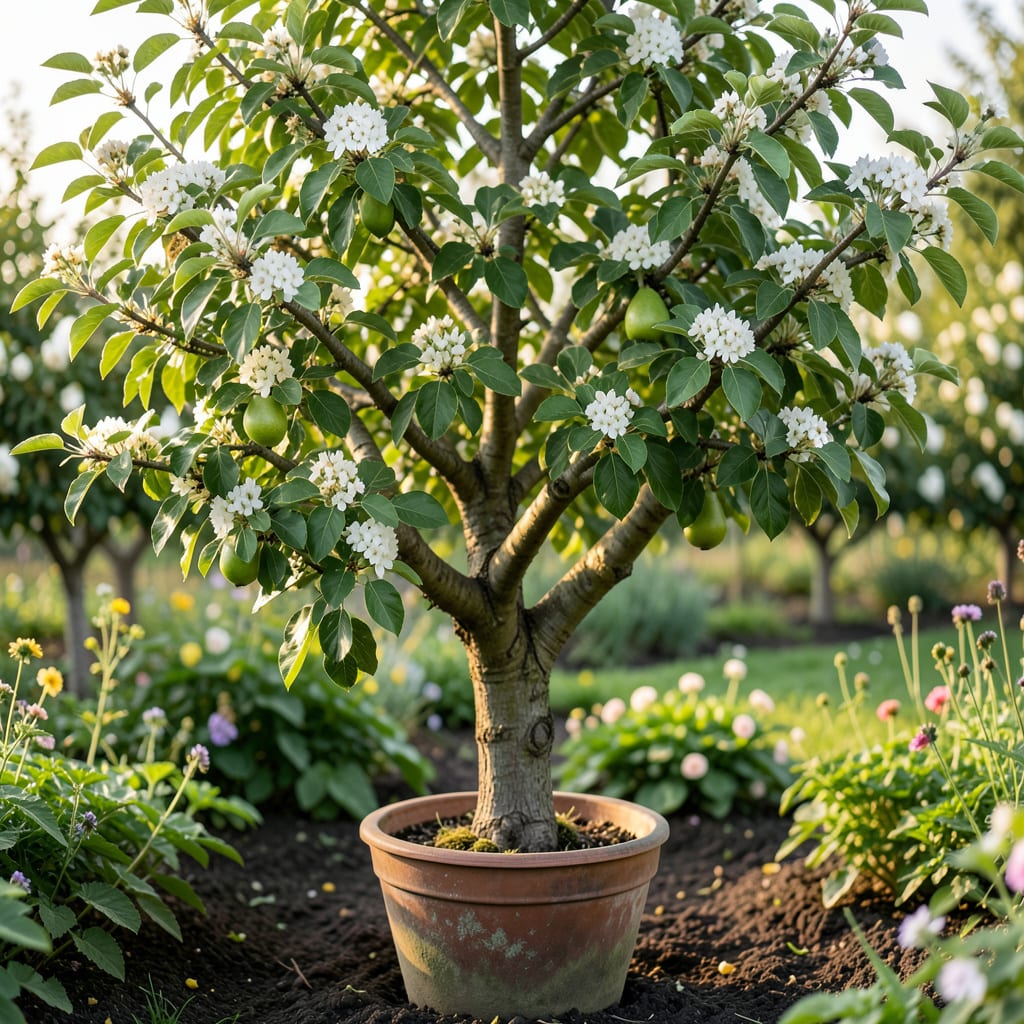
Pear trees 🍐 can be a stunning addition to any garden in USDA Zone 6, but understanding their growth potential is crucial for proper planning and care. The height of these trees varies based on factors like variety and growing conditions.
On average, a standard pear tree can grow between 15 to 20 feet tall, while dwarf varieties typically reach 8-12 feet. Let’s explore the factors that influence their height and how to optimize their growth.

Pear trees can grow to varying heights depending on several key factors. The variety of pear tree is one of the most significant determinants of its mature height.
Different types of pear trees have distinct growth habits. For example, dwarf varieties typically reach heights of 8-12 feet, while standard varieties can grow much taller, reaching heights of 15-20 feet or more.
Soil quality plays a crucial role in determining the height of pear trees. Well-draining, fertile soil rich in organic matter supports healthy root development and overall tree vigor, allowing the tree to reach its full height potential.
Pruning practices are another critical factor. Regular pruning helps maintain the tree’s shape, removes diseased or damaged branches, and encourages the growth of new shoots, all of which contribute to the tree’s overall height and structure 🌳.
The amount of sunlight the tree receives is also vital. Pear trees require full sun to produce fruit and grow to their maximum height. Adequate sunlight ensures that the tree can undergo sufficient photosynthesis to support its growth.
Climate conditions can also impact the height of pear trees. While pear trees are relatively adaptable, they generally thrive in cooler climates with adequate chill hours. Extreme weather conditions, such as prolonged drought or excessive rain, can stress the tree and potentially limit its growth.
Understanding these factors is essential for gardeners who want to cultivate healthy, thriving pear trees that reach their full height potential. By providing the right conditions and care, you can help your pear tree grow strong and tall 🌟.
In summary, the height of pear trees is influenced by a combination of genetic and environmental factors. By selecting the right variety and providing optimal growing conditions, you can encourage your pear tree to reach its maximum height and enjoy a bountiful harvest for years to come.
For more specific guidance on caring for your pear tree, consider consulting with a local horticulturist or gardening expert who can provide tailored advice based on your specific climate and soil conditions 📚.
By taking a comprehensive approach to caring for your pear tree, you can help ensure that it reaches its full potential and provides beauty and fruit for years to come 🌼.
To encourage healthy growth and maximize the height of your pear tree, it’s essential to provide optimal care and maintenance. One of the most critical factors is proper pruning. Regular pruning helps maintain the tree’s shape, removes diseased or damaged branches, and promotes the growth of new shoots 🌳.
When pruning your pear tree, focus on removing any dead or diseased branches to prevent the spread of disease and encourage healthy growth. You should also thin out the tree’s center to allow more sunlight to reach the inner branches, promoting even growth throughout the tree.
Ensure the soil drains well to prevent waterlogged soil conditions that can lead to root rot and other issues.
Pear trees require full sun to produce fruit and grow to their maximum height. Ensure your tree receives at least 6 hours of direct sunlight daily.
Feed your pear tree with a balanced fertilizer during the growing season to promote healthy growth and maximize its height potential.
In addition to proper pruning and care, it’s essential to monitor your tree’s health regularly. Keep an eye out for signs of disease or pests, and take action promptly if you notice any issues 🌟.
By following these expert tips and techniques, you can help your pear tree reach its full height potential and enjoy a bountiful harvest for years to come.
For more specific guidance on caring for your pear tree, consider consulting with a local horticulturist or gardening expert who can provide tailored advice based on your specific climate and soil conditions 📚.
With the right care and attention, your pear tree can thrive and become a beautiful addition to your garden, providing shade, fruit, and beauty for years to come 🌼.
Growing tall pear trees can be rewarding, but it comes with its own set of challenges. One of the most common issues is disease management. Pear trees are susceptible to various diseases, including fire blight and powdery mildew, which can significantly impact their growth and fruit production.
Another challenge is pest control. Pear trees can be affected by pests like aphids, codling moths, and pear psylla. These pests can damage the tree and reduce fruit quality if not managed properly.
Regularly inspect your pear tree for signs of disease or pests, and take action promptly to prevent damage.
Weather conditions can also pose a challenge. Extreme weather events, such as frost, hail, or drought, can damage the tree and affect its growth. Protecting your tree from these conditions is crucial for its overall health.
To overcome these challenges, it’s essential to monitor your tree’s health regularly. Keep an eye out for signs of disease or pests, and take action promptly if you notice any issues. Regular maintenance, including pruning and fertilization, can also help promote healthy growth 🌳.
By being aware of these common challenges and taking proactive steps to address them, you can help your pear tree grow tall and thrive, providing beauty and fruit for years to come 🌟.
For more specific guidance on managing diseases and pests in your pear tree, consider consulting with a local horticulturist or gardening expert who can provide tailored advice based on your specific climate and soil conditions 📚.
With the right care and attention, your pear tree can overcome common challenges and reach its full potential, becoming a stunning addition to your garden 🌼.
Pear trees can grow to varying heights depending on the variety. Standard pear trees can reach 15-20 feet tall, while dwarf varieties typically grow to 8-12 feet. The height is influenced by factors like soil quality, pruning practices, and climate conditions. Proper care can help maximize their growth potential .
Several factors influence the height of pear trees, including the tree variety, soil quality, pruning practices, sunlight exposure, and climate conditions. Well-draining, fertile soil and full sun are essential for optimal growth. Regular pruning also helps maintain the tree’s shape and promotes healthy growth .
To maximize the height of your pear tree, provide optimal care and maintenance. This includes regular pruning to maintain shape and promote healthy growth, planting in well-draining soil, and ensuring the tree receives full sun. Regular fertilization during the growing season can also support healthy growth and maximize height potential .
Growing tall pear trees can be challenging due to issues like disease management and pest control. Regular monitoring for signs of disease or pests, along with proper maintenance, can help address these challenges. Protecting the tree from extreme weather conditions is also crucial for its overall health and growth .
