
Beautiful Plants For Your Interior
Beautiful Plants For Your Interior
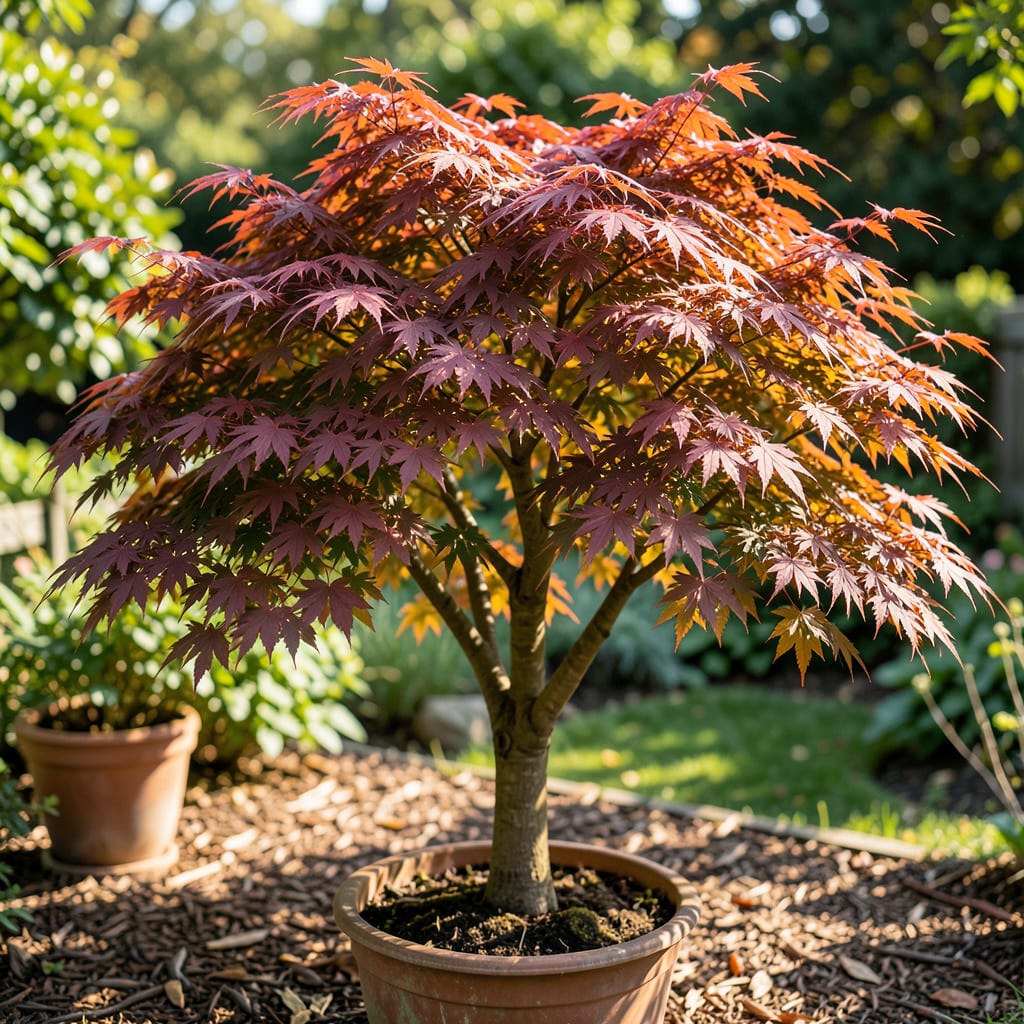
Japanese maples 🍁 are prized for their stunning foliage and graceful forms, but understanding their growth potential is crucial for proper garden planning in USDA Zone 6. The mature height of these beautiful trees can vary significantly based on variety and growing conditions.
I’ll guide you through the factors that influence Japanese Maple growth, from average heights to proper care techniques that help you achieve your desired tree size and shape in your General location garden.


Understanding how tall Japanese maples can grow requires examining several key factors that influence their mature height. The variety of Japanese maple is perhaps the most significant factor, as different cultivars have vastly different growth potentials.
For instance, dwarf varieties like ‘Red Pygmy’ typically reach heights of 4-6 feet, while standard varieties can grow up to 15-25 feet tall. Other factors such as growing conditions and care practices also play crucial roles in determining the ultimate height of these trees.
The soil quality is particularly important, as Japanese maples prefer well-drained soil rich in organic matter. Soil that is too dense or poorly drained can limit root growth, thereby affecting the overall height of the tree.
Sunlight exposure is another critical factor. While Japanese maples can tolerate some sun, they generally thrive in partial shade, especially in warmer climates. Too much direct sunlight can cause leaf scorch, limiting the tree’s growth.
Proper care practices, including regular pruning and fertilization, can also significantly impact the height and overall health of Japanese maples. Pruning helps maintain the desired shape and size, while fertilization provides essential nutrients for growth.
By understanding these factors, gardeners can better predict and manage the growth of their Japanese maples, ensuring they achieve their desired size and shape 🌿.
Japanese maples are generally considered medium-sized trees, with mature heights typically ranging from 10 to 25 feet. However, the specific growth potential can vary widely depending on the factors mentioned above.
For gardeners looking to incorporate Japanese maples into their landscapes, understanding these growth factors is essential for proper planning and long-term care. By selecting the right variety and providing appropriate growing conditions and care, gardeners can enjoy the beauty of these trees for years to come.
Regular monitoring and maintenance are key to ensuring that Japanese maples reach their full potential while maintaining a healthy and aesthetically pleasing shape.
In conclusion, the height to which Japanese maples grow is influenced by a combination of variety, growing conditions, and care practices. By understanding and managing these factors, gardeners can cultivate thriving, beautiful trees that enhance their gardens.
Japanese maples come in various cultivars, each with its own growth characteristics. Understanding the average and maximum heights of different varieties helps gardeners choose the right tree for their space.
The height of Japanese maples can vary significantly depending on the cultivar. Some varieties are naturally dwarf or compact, while others can grow into larger trees. I’ll explore the typical growth ranges for different types of Japanese maples.
Some popular dwarf varieties include ‘Red Pygmy’ and ‘Beni Kawa’, which typically grow to be around 4-6 feet tall. These compact trees are ideal for smaller gardens or container planting.
Semi-dwarf varieties like ‘Aka Shigitatsu Sawa’ usually reach heights of 6-10 feet, making them suitable for medium-sized gardens. They offer a balance between size and the dramatic foliage that Japanese maples are known for 🌿.
Standard varieties, such as ‘Bloodgood’ and ‘Emperor I’, can grow much taller, often reaching heights of 15-25 feet. These larger trees are perfect for larger landscapes where they can serve as a focal point or provide shade.
When selecting a Japanese maple, it’s essential to consider the mature size of the tree to ensure it fits well in your garden. Proper planning helps avoid the need for extensive pruning or other maintenance to keep the tree in check.
By understanding the growth potential of different Japanese maple varieties, gardeners can make informed decisions about which trees to plant and how to care for them.
Proper pruning and care are essential for maintaining the desired height and shape of Japanese maples. Regular pruning techniques help control the tree’s size while promoting healthy growth 🌿.
Evaluate the tree’s current shape and identify branches that need pruning.
Remove dead or damaged branches, and thin out crowded areas to improve air circulation.
Continue to monitor the tree’s growth and prune as necessary to maintain the desired shape and size.
In addition to pruning, proper care practices such as fertilization and watering play a crucial role in maintaining the health and size of Japanese maples. Using a balanced fertilizer during the growing season can support healthy growth.
Watering needs vary by season, with more frequent watering required during the summer months. Ensuring the soil remains consistently moist but not waterlogged is key to promoting healthy root development.
By combining effective pruning techniques with proper care practices, gardeners can successfully manage the size of their Japanese maples, ensuring they remain a beautiful and integral part of the garden landscape.
Regular maintenance not only helps control the tree’s height but also enhances its overall health and aesthetic appeal, making it a stunning focal point in any garden.
For long-term success, it’s essential to remain committed to regular care and monitoring, adjusting pruning and care strategies as needed to support the tree’s growth and health.
Japanese maples can grow to varying heights depending on the cultivar. Dwarf varieties typically reach 4-6 feet, while standard varieties can grow up to 15-25 feet tall. The mature height is influenced by factors such as soil quality, sunlight, and care practices. Proper care can help achieve the desired size and shape.
The growth of Japanese maples is influenced by several factors, including variety, growing conditions, and care practices. Soil quality, sunlight exposure, watering, and pruning techniques all play crucial roles in determining the tree’s height and overall health. Understanding these factors helps gardeners manage growth effectively.
Yes, you can control the height of your Japanese maple through regular pruning techniques and proper care practices. Pruning helps maintain the desired shape and size, while fertilization and appropriate watering support healthy growth. Consistent maintenance is key to achieving your desired tree size.
Japanese maples prefer consistent moisture, especially during the growing season. Water them weekly during spring and fall, and twice a week during summer. Adjust based on weather conditions to keep the soil moist but not waterlogged. Proper watering supports healthy root development.
