
Beautiful Plants For Your Interior
Beautiful Plants For Your Interior
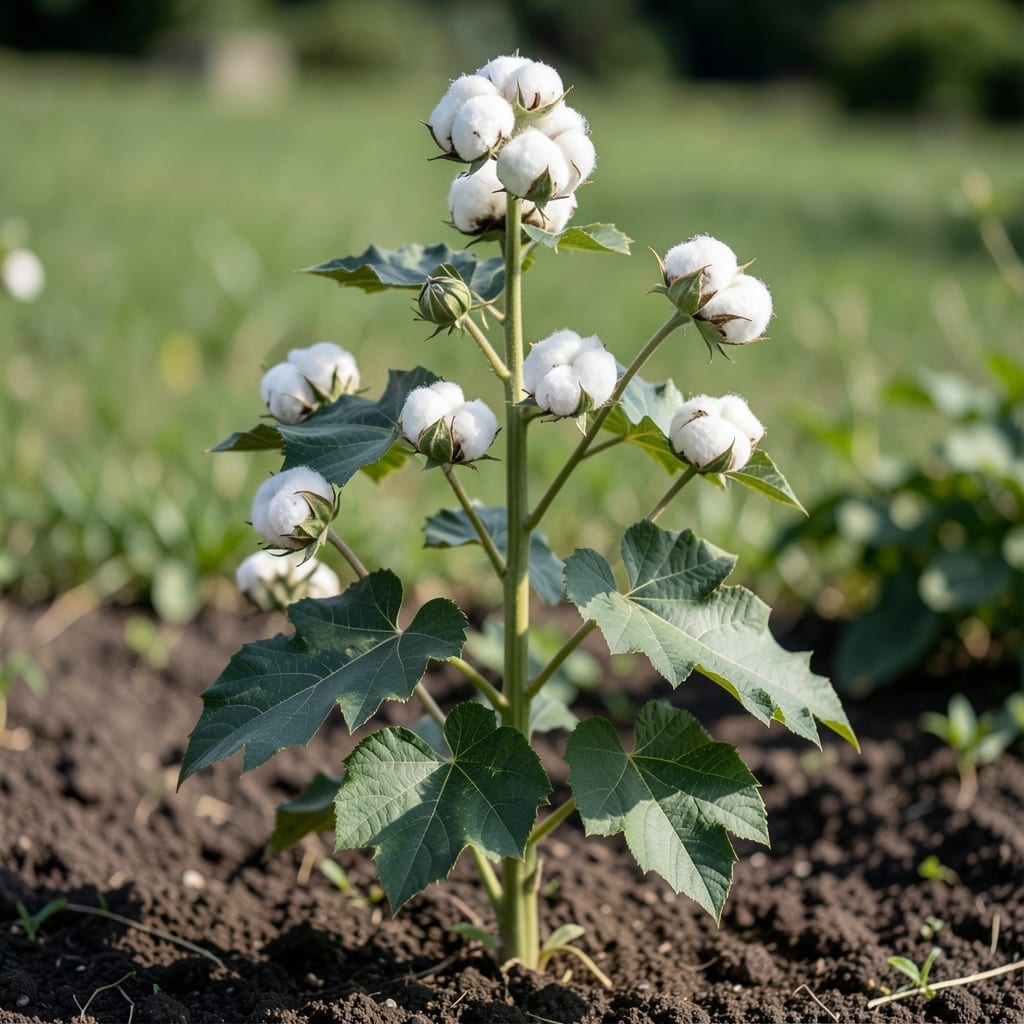
Ever noticed how cotton fields seem to stretch endlessly with plants of varying heights? The 🌿 Cotton you’re growing might surprise you with its potential size.
From compact varieties to towering giants, these plants can reach 3 to 6 feet tall under the right conditions. What makes the difference?
I’ll walk you through the key factors that determine cotton height and how you can optimize growth in your own garden. Let’s discover what works best.


If you’ve ever wondered about the typical height of cotton plants, you’re not alone. These versatile plants can vary significantly based on their cultivar and growing conditions. I’ve seen everything from compact bushes to near-tree-sized specimens.
Most upland cotton varieties, which dominate commercial production, typically reach 3 to 5 feet tall. However, under ideal conditions with ample space and nutrients, they can stretch to 6 feet or more. Pima cotton, known for its longer fibers, often grows slightly taller.
| Cotton Variety | Typical Height Range | Growing Conditions |
|---|---|---|
| Upland Cotton | 3-5 feet | Full sun, well-drained soil |
| Pima Cotton | 4-6 feet | Long growing season, rich soil |
| Dwarf Varieties | 2-3 feet | Container-friendly, less space |
| Semi-Dwarf | 3-4 feet | Moderate space, good yield |
The height difference between varieties is largely due to genetic programming. Dwarf cotton types are specifically bred for smaller spaces and can thrive in containers on patios or balconies.
For commercial fields, taller plants are often preferred as they can produce more bolls per plant. However, in home gardens, I recommend starting with semi-dwarf varieties as they’re easier to manage.
In my experience, soil fertility plays a huge role in height. Plants in nutrient-rich soil with consistent water availability will always outgrow those in poor conditions. A regular fertilizing schedule can add 1-2 feet to your plants.
Don’t forget about spacing either. Crowded plants compete for sunlight and nutrients, which can stunt growth. I suggest 18-24 inches between plants for optimal height development.
Climate also affects height. In warmer regions with long growing seasons, cotton plants have more time to reach their maximum potential. In cooler areas, they might stay on the shorter end of their typical range.
For those in USDA zones 6-10, you’re in the ideal range for growing cotton. Just remember that frost sensitivity means you’ll need to plant after the last frost date in spring.
Whether you’re growing for fiber production or just as an ornamental plant, understanding these height ranges helps in planning your garden layout and care routine effectively. 🌿
The height of cotton plants isn’t just about genetics. I’ve found that environmental conditions play a huge role in how tall they grow. Even the same variety can vary by 1-2 feet based on care.
Water availability is one of the biggest factors. Cotton needs consistent moisture, especially during the boll formation stage. Drought-stressed plants often stay shorter with smaller yields.
Soil quality makes a noticeable difference. I always amend my cotton beds with compost before planting. This gives them the nutrients they need to reach their full height potential.
Sunlight exposure is non-negotiable. These plants require full sun (6+ hours daily). In shadier spots, I’ve seen plants stay 30% shorter than their maximum height. South-facing locations work best.
Plant spacing affects height more than you’d think. Crowded plants compete for sunlight and nutrients. I recommend 18-24 inches between plants for optimal growth without overcrowding.
Finally, climate zone matters. In warmer USDA zones (8-10), cotton has a longer season to grow taller. In cooler zones (6-7), they may stay 1-2 feet shorter than their maximum.
🌿