
Beautiful Plants For Your Interior
Beautiful Plants For Your Interior
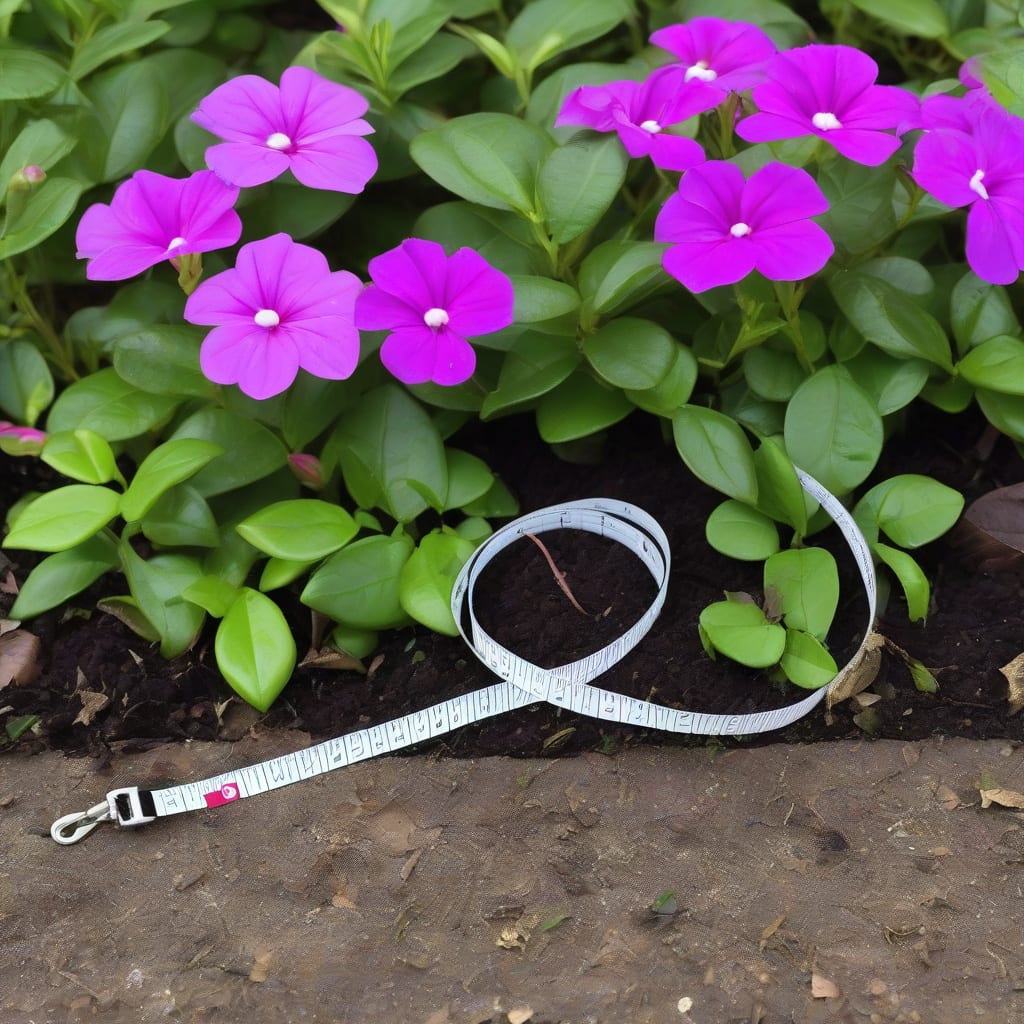
When growing Vinca 💐, understanding its height is crucial for garden planning. Typically, Vinca grows between 1-2 feet tall, making it perfect for various garden settings.
Factors like variety, growing conditions, and care practices can influence Vinca’s growth. By knowing what to expect, you can better plan your garden layout and ensure your Vinca plants thrive in USDA Zone 6.


Vinca, known for its vibrant flowers and easy maintenance, is a popular choice among gardeners. Understanding its growth habits is crucial for effective garden planning 🌼.
The height of Vinca plants can vary significantly based on several factors, including the specific variety, growing conditions, and care practices. Generally, Vinca plants can grow between 1-2 feet tall, making them suitable for various garden settings 🌿.
The typical height range for Vinca plants is between 1-2 feet, which is roughly knee-high for an average adult. This makes them ideal for border planting, container gardening, or as a ground cover in suitable climates 🌻.
Several factors can influence the height of Vinca plants. Sunlight is a critical factor; Vinca plants generally require full sun to partial shade to grow well. Soil quality also plays a significant role; with well-draining soil and adequate nutrients, Vinca plants can achieve their maximum height potential 🌱.
Watering practices are also crucial; while Vinca is relatively drought-tolerant, consistent moisture promotes healthier growth. However, overwatering can lead to root rot and stunt the plant’s growth. Fertilization is another important factor; using a balanced fertilizer during the growing season can support vigorous growth and flowering 🌼.
Different varieties of Vinca may have slightly different growth habits. For example, Catharanthus roseus (annual vinca) tends to grow more upright, while Vinca minor (periwinkle) is often more spreading. Understanding these differences is key to managing their height effectively 🌿.
To manage Vinca height effectively, gardeners can employ several strategies. Pruning is a common technique used to control height and encourage bushier growth. By pinching back the tips of young plants, you can promote a more compact, bushy habit 🌱.
Spacing is another important consideration. Planting Vinca at the recommended spacing for the variety helps prevent overcrowding, which can lead to taller, leggier growth as plants compete for light 🌻.
In addition to pruning and spacing, proper care and maintenance are essential for maintaining the desired height. This includes regular watering, appropriate fertilization, and monitoring for pests or diseases that could affect growth 🌼.
By understanding the factors that influence Vinca’s height and employing appropriate management techniques, gardeners can enjoy these beautiful plants at their optimal size, whether in formal garden beds or more naturalistic settings 🌿.
Overall, Vinca is a versatile and attractive addition to many gardens, offering vibrant flowers and manageable growth habits that make it a favorite among gardeners of all experience levels 🌻.
In conclusion, understanding how tall Vinca grows and the factors that influence its height allows gardeners to make informed decisions about its placement and care in their gardens 🌱.
Effective management of Vinca height is crucial for achieving optimal garden performance. By understanding how to control Vinca’s growth, gardeners can create a more balanced and visually appealing garden landscape 🌼.
One of the primary methods for managing Vinca height is through pruning techniques. Pruning not only helps control the height but also encourages bushier growth, making the plant more compact and floriferous 🌱.
Pinching back the tips of young Vinca plants promotes branching and a more compact growth habit.
Regular trimming throughout the growing season helps maintain the desired height and shape.
Regularly inspect plants for leggy growth and prune as necessary to maintain a bushy habit.
Spacing considerations are also vital when managing Vinca height. Planting Vinca at the recommended spacing for the variety helps prevent overcrowding, which can lead to taller, leggier growth as plants compete for light 🌻.
In addition to pruning and spacing, proper care and maintenance play a significant role in maintaining the desired height. This includes regular watering, appropriate fertilization, and monitoring for pests or diseases that could affect growth 🌼.
By combining these strategies, gardeners can effectively manage Vinca height and enjoy a more controlled and aesthetically pleasing garden display 🌱.
Regular maintenance not only controls height but also promotes healthier plants with more abundant flowering, making Vinca a delightful addition to any garden 🌻.
In conclusion, managing Vinca height is achievable through a combination of pruning, proper spacing, and attentive care, ensuring that these beautiful plants thrive in your garden 🌿.
Understanding the different types of Vinca and their growth patterns is essential for gardeners who want to make informed decisions about their garden layout 🌼.
There are two main types of Vinca: Catharanthus roseus (annual vinca) and Vinca minor (periwinkle). Each has distinct growth habits and height characteristics that gardeners should be aware of 🌿.
Catharanthus roseus, or annual vinca, typically grows between 1-2 feet tall with an upright, bushy habit. It thrives in full sun and is often used in containers or as a bedding plant 🌻.
Vinca minor, or periwinkle, is a low-growing, spreading plant that is often used as a ground cover. It can grow in a range of light conditions from partial shade to full sun and is known for its ability to form a dense mat of foliage 🌱.
By understanding these differences, gardeners can choose the right type of Vinca for their specific needs and garden conditions 🌼.
The height variations between different Vinca types allow for flexibility in garden design, enabling gardeners to create diverse and visually appealing landscapes 🌿.
In conclusion, knowing the growth patterns and height characteristics of different Vinca types helps gardeners make better decisions about plant placement and care in their gardens 🌻.
