
Beautiful Plants For Your Interior
Beautiful Plants For Your Interior
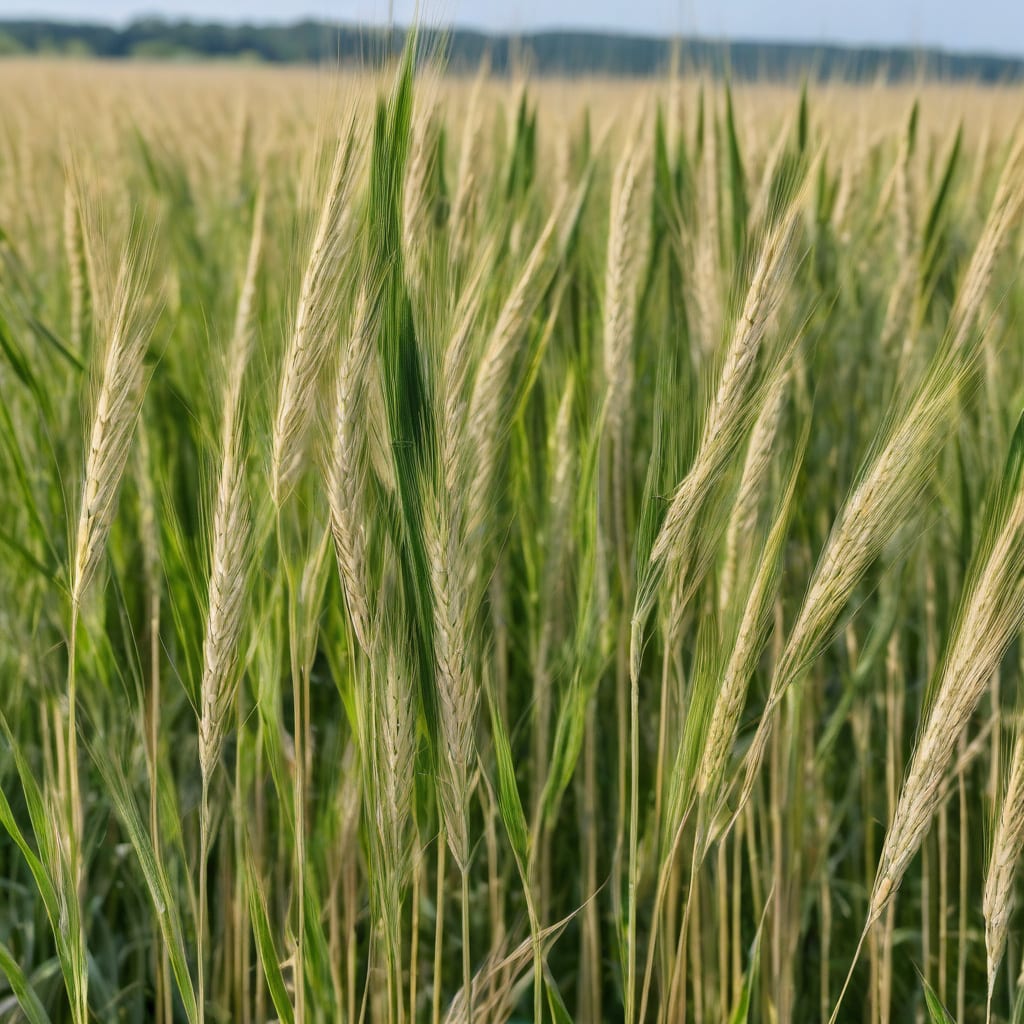
As a farmer, understanding the growth patterns of Triticale 🌾 is crucial for maximizing your yield. This hybrid crop, combining the best of wheat and rye, offers versatility in both grain production and forage.
Triticale’s height can vary significantly based on factors like genetics and environmental conditions. Let’s explore what you can expect in terms of its growth and how to manage it for optimal results in USDA Zone 6.

Triticale’s height is influenced by multiple factors that farmers need to consider for optimal growth. Genetic factors play a significant role, with different varieties having inherent height characteristics. Environmental conditions such as temperature, moisture levels, and soil quality also significantly impact growth.
Agricultural practices are equally important in determining triticale’s height. Factors like planting density, fertilization, and irrigation management can all affect how tall the crop will grow. Understanding these factors helps farmers make informed decisions about their triticale cultivation 🌾.
The genetic makeup of triticale varieties significantly influences their height height height height height and growth characteristics. Some varieties are bred specifically for forage production and tend to be taller, while others are optimized for grain production and may be shorter. Understanding the specific variety being planted is crucial for managing expectations about the crop’s height.
Environmental conditions also play a critical role in determining triticale’s height. Temperature fluctuations, moisture availability, and soil nutrient levels all contribute to the final height of the crop. Farmers must consider these factors when planning their cultivation strategy.
Agricultural practices are another key factor in managing triticale height. Planting density can affect competition for resources, with higher densities often resulting in slightly shorter plants. Fertilization strategies also impact growth, as adequate nutrient supply promotes healthy development and optimal height.
In USDA Zone 6, where triticale is typically planted in September or October, farmers can expect the crop to grow to its full potential height by the time it’s harvested in June or July. Proper management of the factors influencing height is crucial for maximizing yield.
By understanding these influencing factors, farmers can better manage their triticale crops to achieve the desired height and maximize their yield. This knowledge allows for more effective planning and cultivation strategies.
Effective management of these factors requires careful planning and attention to detail throughout the growing season. By considering both inherent and environmental factors, farmers can optimize their triticale cultivation for the best possible results.
Regular monitoring of crop conditions and adjustments to agricultural practices as needed can help ensure that triticale reaches its full height potential. This proactive approach to crop management is key to successful triticale cultivation.
Understanding the complex interplay between genetics, environment, and agricultural practices is essential for farmers looking to optimize their triticale yields. By carefully managing these factors, farmers can achieve the best possible outcomes for their crops.
In conclusion, the height of triticale is influenced by a combination of genetic, environmental, and agricultural factors. By understanding and managing these factors, farmers can optimize their triticale cultivation for maximum yield and quality 🌾.
Triticale varieties exhibit a range of heights that are important for farmers to understand. The average height of triticale typically falls between 3 to 6 feet, with variations depending on the specific cultivar and growing conditions 🌾.
The height of triticale varieties can significantly impact their suitability for different farming practices. Taller varieties are often preferred for forage production due to their higher biomass yield, while shorter varieties may be more suitable for grain production as they tend to be more resistant to lodging.
Farmers should consider the specific characteristics of different triticale varieties when selecting seed for planting. Understanding the expected height of the chosen variety helps in planning harvesting strategies and managing crop expectations.
In addition to variety selection, growing conditions play a crucial role in determining the final height of triticale crops. Factors such as soil quality, moisture levels, and nutrient availability can all influence how tall the plants will grow 🌾.
By understanding the average height range of different triticale varieties and the factors that influence their growth, farmers can make more informed decisions about their cultivation practices. This knowledge helps in optimizing crop management for better yields and quality.
Regular monitoring of crop development and adjusting management practices accordingly can help ensure that triticale reaches its full height potential. This proactive approach to crop management is key to successful triticale cultivation.
Farmers can implement several strategies to manage triticale height and maximize yield. Planting density is a critical factor, as higher densities can lead to reduced height due to increased competition for resources. Adjusting nitrogen fertilization levels can also impact triticale height, with excessive nitrogen potentially leading to lodging in taller varieties.
Monitor crop density and adjust nitrogen levels to optimize triticale height for your specific farming needs 🌾.
Growth regulators can be used in some cases to manage triticale height, particularly when lodging is a concern. These chemicals help reduce stem elongation, resulting in shorter, more robust plants that are less prone to lodging.
The choice of triticale variety also plays a significant role in height management. Farmers should select varieties that are well-suited to their specific growing conditions and management practices.
By combining these strategies, farmers can effectively manage triticale height and optimize their crop for maximum yield and quality. Regular monitoring and adjustments throughout the growing season are key to successful triticale cultivation 🌾.
