
Beautiful Plants For Your Interior
Beautiful Plants For Your Interior
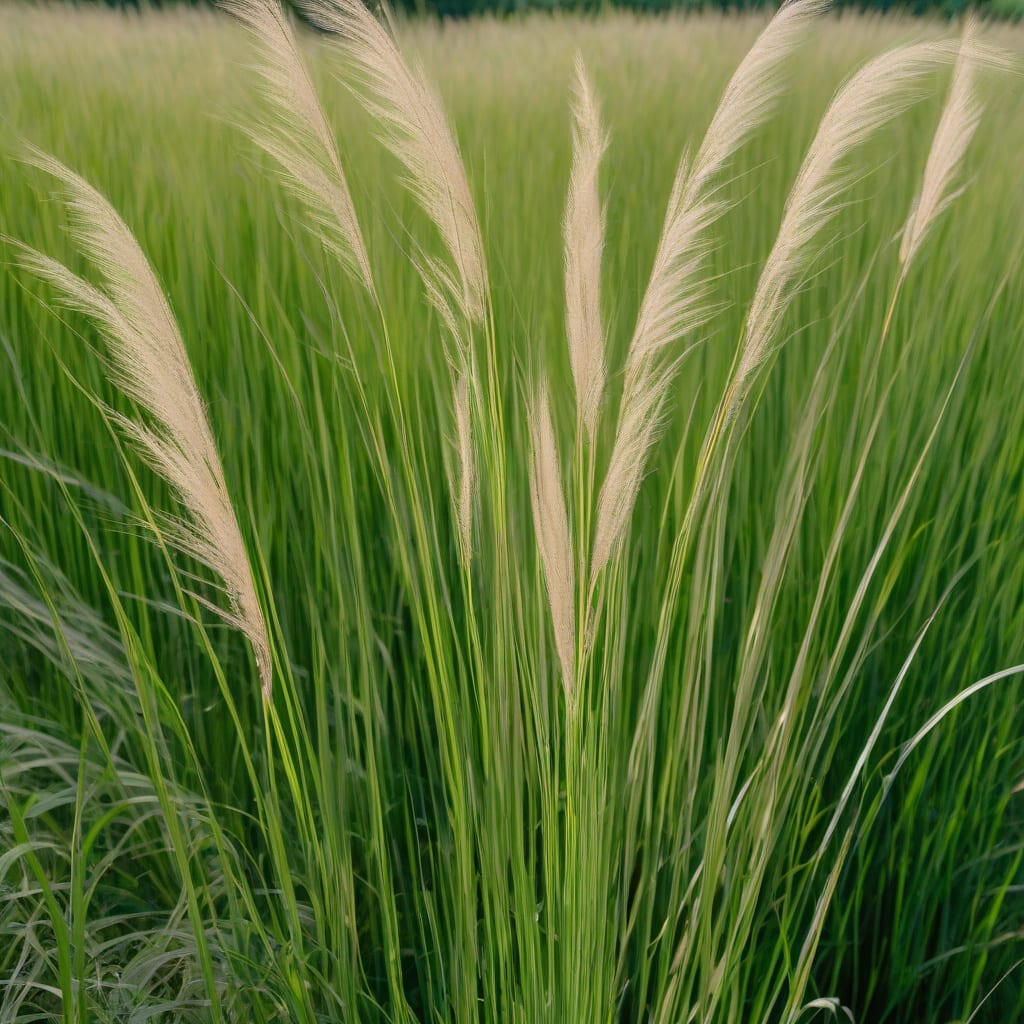
I’ve always been fascinated by Switchgrass 🌿, a native North American grass known for its impressive height and versatility in landscaping and conservation projects. Growing in USDA Zone 6, it’s a popular choice for many gardeners.
So, how tall does it really grow? The height of Switchgrass can vary, but understanding its growth patterns will help you make informed decisions for your garden or conservation project. Let’s explore the factors that influence its height.


I’ve worked with Switchgrass 🌿 in various landscaping projects, and understanding its growth patterns is crucial for achieving desired results. Switchgrass is known for its impressive height, which can vary based on several factors.
The height of Switchgrass typically ranges between 3 to 6 feet, making it a versatile choice for different landscape designs. Its growth is influenced by factors such as soil quality, climate conditions, variety selection, and management practices.
I’ve observed that Switchgrass height can vary significantly across different regions due to various environmental factors. Understanding these factors is crucial for managing expectations about how tall Switchgrass can grow in specific areas 🌿.
The height of Switchgrass is influenced by several key environmental factors, including temperature, rainfall, sunlight exposure, and soil types.
Regional variations in Switchgrass height are significant, with warmer and wetter regions typically supporting taller growth. In areas with limited rainfall or poor soil quality, Switchgrass may be shorter. Understanding these regional differences is essential for selecting the right variety and managing expectations about Switchgrass height 🌿.
By considering these environmental factors, you can better predict how tall Switchgrass will grow in your specific region and make informed decisions for your landscape or conservation project.
The height of Switchgrass in different environments is a complex trait influenced by multiple factors. By understanding these factors, you can optimize growing conditions to achieve the desired height for your specific needs.
In conclusion, the height of Switchgrass varies significantly across different environments due to factors such as temperature, rainfall, sunlight exposure, and soil types. By understanding these factors, you can make informed decisions about Switchgrass height in your region 🌿.
I recommend managing Switchgrass height to maintain desired landscape features and promote healthy growth 🌱.
To maintain optimal Switchgrass height, consider techniques such as mowing, burning, or grazing. The best method depends on your specific landscape needs and regional practices.
The height of Switchgrass can be managed through various techniques. Mowing is a common method, typically done in late winter or early spring. This helps maintain a desired height and promotes new growth 🌱.
Burning is another effective method for managing Switchgrass height. It not only controls height but also promotes healthy growth by removing dead vegetation. However, it requires careful planning and execution to ensure safety and effectiveness 🔥.
Grazing can also be used to manage Switchgrass height. This method involves allowing livestock to graze on the grass, which can help maintain a desired height. However, it’s essential to manage grazing carefully to avoid overgrazing and damage to the plants 🐕.
By understanding and implementing these height management techniques, you can ensure your Switchgrass thrives and meets your landscape or conservation goals.
In conclusion, managing Switchgrass height is crucial for optimal performance in landscapes. By using techniques such as mowing, burning, or grazing, you can maintain desired heights and promote healthy growth 🌿.
