
Beautiful Plants For Your Interior
Beautiful Plants For Your Interior
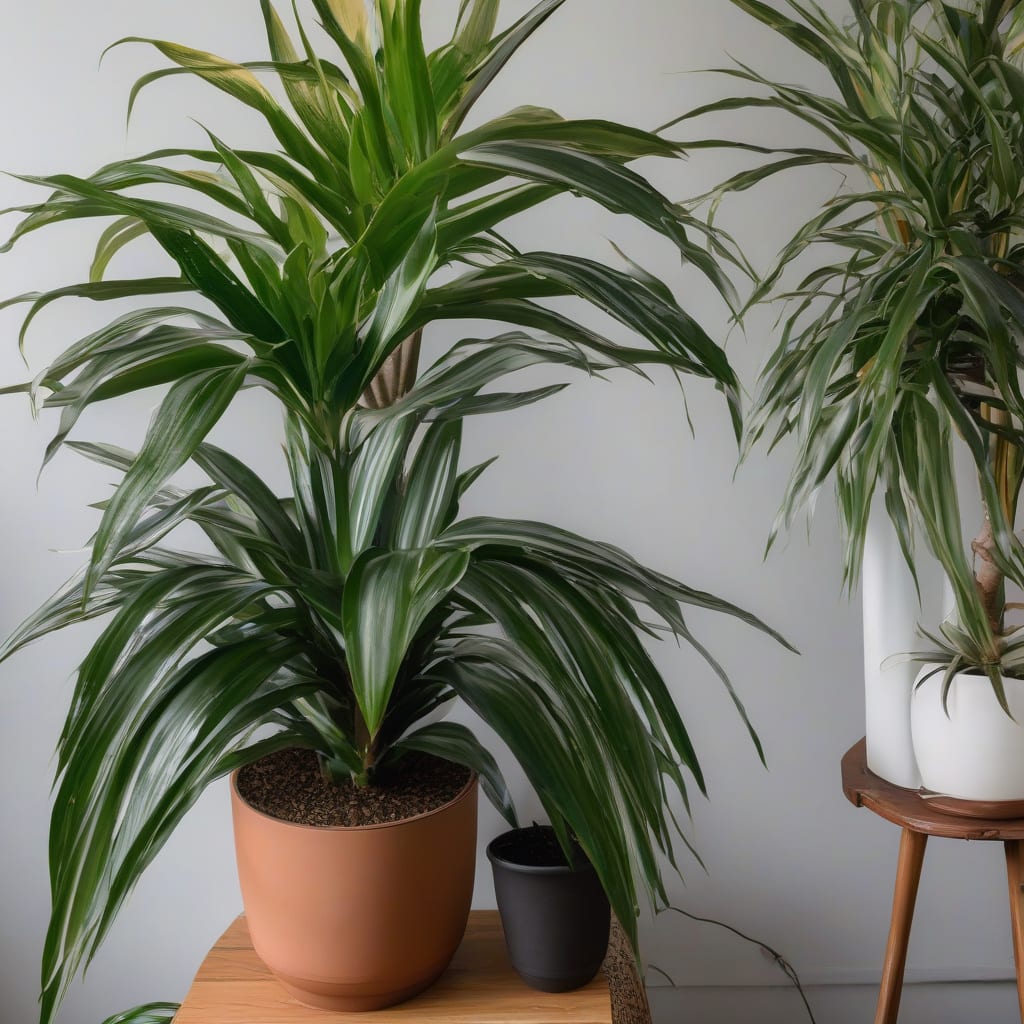
I’ve always been fascinated by the striking vertical growth of snake plants 🌿. These low-maintenance plants can add a touch of elegance to any room, but have you ever wondered just how tall they can grow?
Understanding the growth potential of your snake plant helps you plan your space effectively. Let’s explore the factors that influence their height and what you can expect from these beautiful plants.

I’ve found that several key factors influence how tall snake plants can grow. Understanding these elements helps you create optimal conditions for your plants to thrive and reach their maximum height potential.
The lighting conditions play a crucial role in determining snake plant height. While they can tolerate low light, brighter indirect light generally promotes healthier and taller growth. The type of soil used also affects their development, with well-draining potting mixes being essential for root health.
Watering practices are particularly important when considering snake plant height. These plants are drought-tolerant and prefer to dry out between waterings. Overwatering can lead to root rot, which can significantly stunt their growth.
The variety of snake plant also influences its maximum height. Different cultivars have varying growth habits and potential heights. For example, the Laurentii variety is known for its striking yellow edges, while the Cylindrica type has more cylindrical leaves.
Temperature and humidity levels in your home can also impact snake plant growth. They prefer temperatures between 65°F to 75°F (18°C to 24°C) and can adapt to average indoor humidity levels.
Understanding these factors helps you create the right environment for your snake plant to reach its full height potential. By optimizing these conditions, you can encourage healthy growth and enjoy the plant’s natural beauty 🌿.
Regular maintenance, such as pruning dead or damaged leaves, also contributes to the overall health and appearance of your snake plant. This practice helps maintain its shape and promotes new growth.
It’s worth noting that snake plants are generally slow-growing. They may not show rapid changes in height, but with proper care, they can steadily reach their maximum potential over time.
By considering these factors and providing appropriate care, you can help your snake plant achieve its maximum height and enjoy its striking vertical growth for years to come.
I’ve found that different snake plant varieties have distinct height potentials, making it essential to understand their specific growth characteristics. The most common varieties include Laurentii, Cylindrica, and the standard Snake Plant.
The Laurentii variety typically grows between 2-3 feet tall, making it a great choice for smaller spaces. Its striking yellow edges add visual interest to any room 🌿.
In contrast, the Cylindrica variety can reach heights of 2-4 feet, offering a more robust growth habit. Its cylindrical leaves provide a unique texture and appearance.
The standard Snake Plant also grows between 2-4 feet tall, making it a versatile option for various spaces. Its classic sword-shaped leaves are a familiar sight in many homes.
When choosing a snake plant variety, consider the mature height and growth characteristics to ensure it fits your space and care preferences. Proper care can help your snake plant reach its full height potential 🌱.
By understanding the different varieties and their growth patterns, you can make informed decisions about which snake plant is right for you and how to care for it effectively.
Remember, while variety plays a significant role in determining height, proper care and conditions are equally important for achieving maximum growth.
With the right care and attention, your snake plant can thrive and reach its full height potential, adding beauty and elegance to your indoor space 🌿.
I recommend providing your snake plant with the right conditions to encourage healthy growth. One of the most critical factors is lighting. While snake plants can tolerate low light, they thrive in bright, indirect light. Placing them near a north-facing window is ideal 🌿.
Water your snake plant sparingly, allowing the soil to dry between waterings. This helps prevent root rot and promotes healthy growth 🌱.
Watering is another crucial aspect of snake plant care. These plants are drought-tolerant and prefer to dry out between waterings. Overwatering can lead to root rot, which can significantly stunt their growth.
Fertilization can also support healthy snake plant growth. Feed your plant with a balanced fertilizer during the growing season (spring and summer). This provides essential nutrients for optimal growth.
By following these tips, you can create an ideal environment for your snake plant to thrive.
Regular maintenance, such as pruning dead or damaged leaves, also contributes to the overall health and appearance of your snake plant. This practice helps maintain its shape and promotes new growth.
By providing the right conditions and care, you can enjoy your snake plant’s beautiful, upright growth for years to come.
