
Beautiful Plants For Your Interior
Beautiful Plants For Your Interior
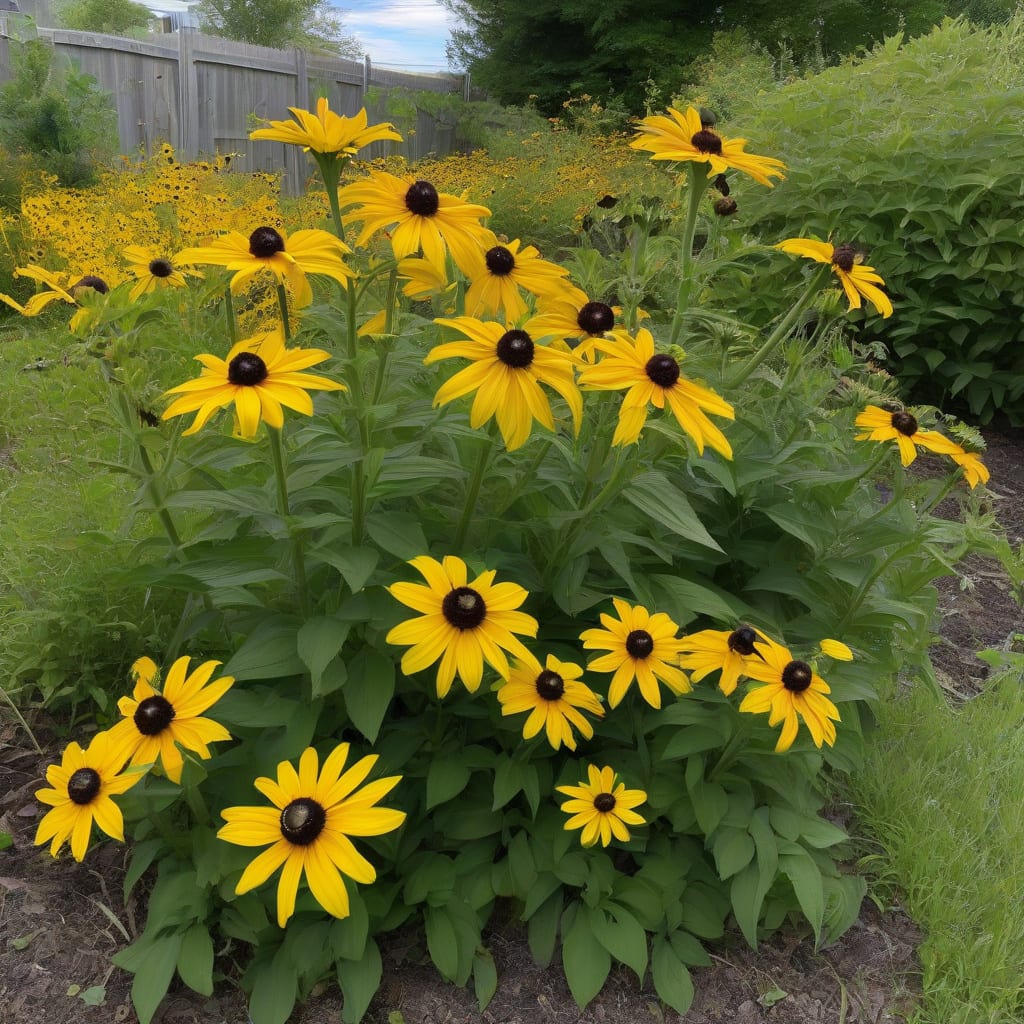
When planning your garden, understanding the growth habits of your chosen plants is crucial. Rudbeckia 💐, commonly known as Black-eyed Susan, is a popular choice for many gardeners. But how tall can you expect it to grow?
Rudbeckia typically grows between 2 to 6 feet tall, depending on the variety and growing conditions. Factors such as sunlight, soil quality, and watering can all impact its final height. Let’s explore these factors in more detail to help you plan your garden effectively.

Rudbeckia, commonly known as Black-eyed Susan, is a popular garden flower known for its vibrant blooms and varying heights. The height of Rudbeckia plants can range significantly based on the specific variety and growing conditions.
Different species and varieties of Rudbeckia exhibit a range of growth habits. Some compact varieties are bred to remain shorter, while others can grow quite tall. Understanding these variations is key to planning your garden effectively 🌼.
The height of Rudbeckia plants is influenced by both genetic factors and environmental conditions. Genetics play a significant role in determining the maximum potential height of a particular variety.
Genetic factors determine the inherent growth potential of Rudbeckia varieties. Some are naturally more compact, while others have a taller growth habit.
Environmental conditions such as sunlight, soil quality, and watering practices also impact the final height of Rudbeckia plants. Optimal growing conditions can help plants reach their full height potential for height.
Understanding these factors helps gardeners predict and manage the height of their Rudbeckia plants, ensuring they thrive in their garden environment 🌿.
For gardeners, knowing the expected height of Rudbeckia varieties is essential for planning garden layouts. Taller varieties might need staking, while shorter ones can be used as border plants.
The height variation among Rudbeckia varieties allows gardeners to choose plants that fit their specific garden needs. Whether you prefer a compact border or a taller background plant, there’s a Rudbeckia variety to suit your requirements.
By considering both the genetic potential and the growing conditions, gardeners can make informed decisions about which Rudbeckia varieties to plant and how to care for them.
Optimal growing conditions not only affect the height but also the overall health and bloom quality of Rudbeckia plants. Ensuring they receive adequate sunlight and are planted in well-draining soil can make a significant difference.
Rudbeckia plants are generally low maintenance and can thrive in a variety of conditions, making them a popular choice for many gardeners.
In summary, the height of Rudbeckia plants varies widely among different varieties and is influenced by both genetic and environmental factors. By understanding these elements, gardeners can better plan and manage their gardens 🌻.
The height of Rudbeckia plants is influenced by several key factors that gardeners should consider when planning their garden. Understanding these elements can help you create optimal growing conditions for your plants 🌼.
Environmental factors play a crucial role in determining the final height of Rudbeckia. These include sunlight exposure, soil quality, and watering practices. Each of these elements can significantly impact how tall your Rudbeckia will grow.
Rudbeckia plants generally thrive in full sun and well-draining soil, which can help them reach their maximum height potential.
Sunlight is one of the most critical factors affecting Rudbeckia height. These plants typically require full sun to grow to their maximum potential. Insufficient sunlight can result in shorter plants with weaker stems.
Soil quality is another important factor. Rudbeckia prefers well-draining soil that is rich in organic matter. Poor soil conditions can limit root development and, consequently, the overall height of the plant.
Watering practices also impact Rudbeckia height. While these plants are relatively drought-tolerant once established, consistent moisture during their growing season can promote healthier growth and taller plants.
By understanding and managing these factors, gardeners can create conditions that allow their Rudbeckia plants to reach their full height potential 🌿.
It’s worth noting that different Rudbeckia varieties may respond differently to these factors. Some may be more sensitive to soil quality, while others might be more adaptable to varying sunlight conditions.
Gardeners should observe their plants’ responses to different conditions and adjust their care practices accordingly. This might involve providing support for taller varieties or adjusting watering schedules based on weather conditions.
In summary, the height of Rudbeckia plants is influenced by a combination of environmental factors. By optimizing these conditions, gardeners can help their plants achieve their maximum height potential and enjoy a vibrant display of blooms 🌻.
To effectively manage Rudbeckia height in your garden, it’s essential to understand the various techniques available. By implementing these strategies, you can ensure your Rudbeckia plants grow to their optimal height 🌼.
Pruning is a crucial technique for controlling Rudbeckia height. By cutting back the stems after the first bloom, you can encourage bushier growth and prevent the plants from becoming too leggy.
Cut back Rudbeckia stems by one-third to one-half after the first bloom to encourage bushier growth.
Provide support for taller Rudbeckia varieties to prevent them from toppling over in the wind.
Plant Rudbeckia alongside other flowers that provide natural support or create a visually appealing height gradient.
By combining these techniques, you can effectively manage the height of your Rudbeckia plants and create a balanced garden landscape 🌿.
Regular maintenance is key to keeping your Rudbeckia plants healthy and thriving. This includes monitoring their height and adjusting your pruning and staking strategies as needed.
In summary, managing Rudbeckia height involves a combination of pruning, staking, and companion planting. By implementing these strategies, you can ensure your Rudbeckia plants grow to their optimal height and add beauty to your garden 🌻.
