
Beautiful Plants For Your Interior
Beautiful Plants For Your Interior
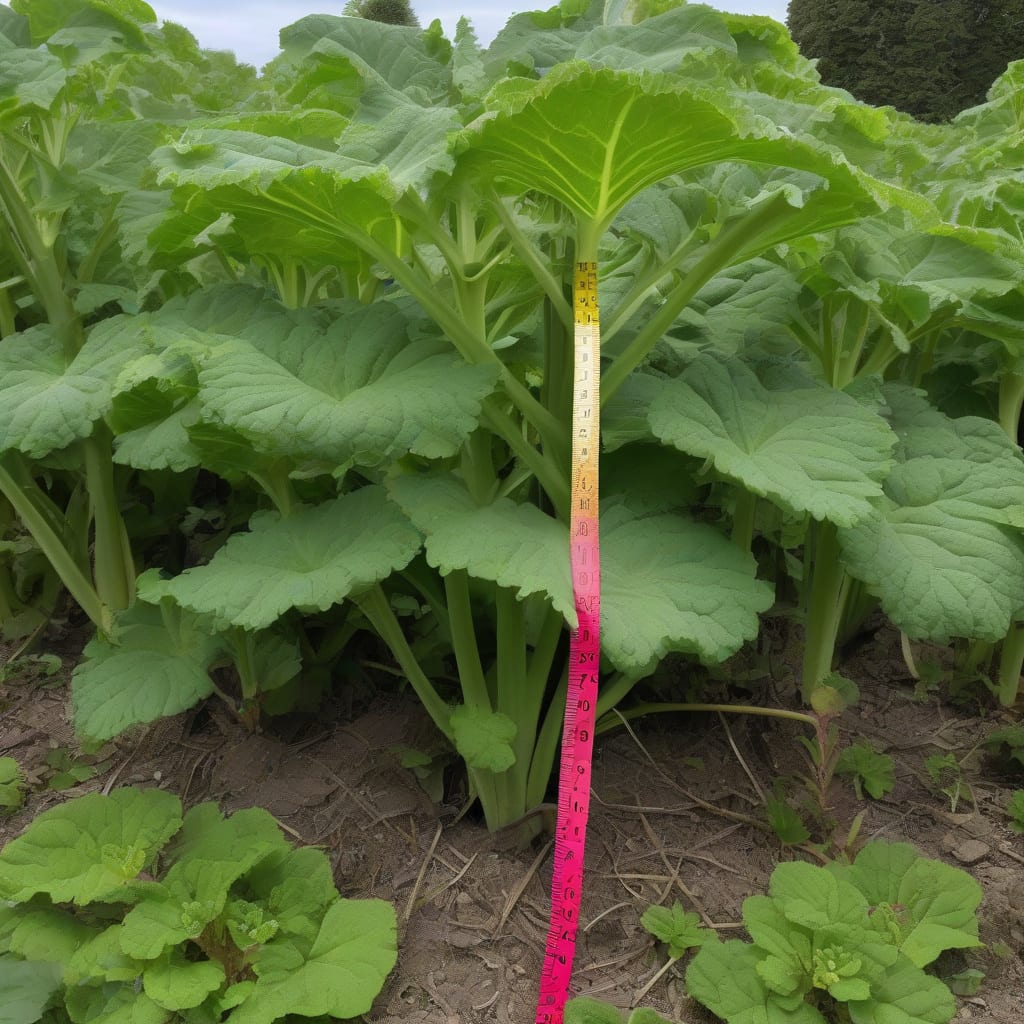
I’ve always been fascinated by rhubarb’s unique growth patterns 🍓. This perennial vegetable can grow quite tall, but its height depends on various factors, including soil quality and climate conditions.
Understanding how tall rhubarb can grow is crucial for optimal cultivation – typically, it can reach 2-4 feet in height when properly cared for in USDA Zone 6.


Rhubarb is a fascinating perennial vegetable that can grow quite tall, but its height depends on various factors. Understanding these growth habits is crucial for optimal cultivation and achieving maximum height.
The typical height range for rhubarb plants is between 2-4 feet, with some varieties growing taller than others. Factors such as soil quality, climate conditions, and maintenance practices all play a role in determining the plant’s overall height.
The height of rhubarb plants can vary significantly based on factors such as soil quality, climate, and maintenance practices. In general, rhubarb prefers well-draining, rich soil and full sun to partial shade.
To achieve maximum height, it’s essential to provide rhubarb plants with optimal growing conditions. This includes maintaining consistent moisture levels, especially during the growing season, and fertilizing regularly with a balanced fertilizer.
Rhubarb plants typically take 2-3 years to reach maturity, during which time they will continue to grow taller and produce larger stalks. With proper care and maintenance, rhubarb can become a productive and rewarding addition to any garden 🌿.
One of the key factors affecting rhubarb height is soil quality. Rhubarb prefers rich, well-draining soil that is high in organic matter. Adding compost or well-rotted manure can help improve soil fertility and structure, promoting healthy growth and maximum height.
Another important factor is climate. Rhubarb is hardy in USDA Zone 6 and can tolerate some frost, but it prefers temperate climates with moderate temperatures and adequate moisture. In areas with hot summers, providing partial shade can help prevent scorching and promote healthy growth.
In terms of maintenance, regular fertilization is crucial for promoting healthy growth and maximum height. A balanced fertilizer with a ratio of 10-10-10 NPK is recommended, and should be applied every 4-6 weeks during the growing season.
By understanding the growth habits of rhubarb and providing optimal growing conditions, gardeners can enjoy a bountiful harvest of delicious and nutritious stalks for years to come 🌼.
Overall, rhubarb is a versatile and rewarding perennial vegetable that can add both beauty and functionality to any garden. With proper care and maintenance, it can grow quite tall and produce a abundance of delicious stalks.
Rhubarb height is influenced by multiple factors that gardeners can control to achieve optimal growth. Understanding these elements is crucial for maximizing stalk height and overall plant productivity.
The primary factors affecting rhubarb height include soil quality, climate conditions, and maintenance practices. Each of these elements plays a significant role in determining the overall health and productivity of the plant.
Optimal rhubarb growth requires a combination of rich soil, appropriate climate conditions, and regular maintenance practices.
Soil quality is particularly important for rhubarb growth. The plant thrives in rich, well-draining soil that is high in organic matter. Adding compost or well-rotted manure can significantly improve soil fertility and structure, promoting healthy growth and maximum height 🌿.
Climate conditions also play a crucial role in determining rhubarb height. Rhubarb is hardy in USDA Zone 6 and can tolerate some frost, but it prefers temperate climates with moderate temperatures and adequate moisture. In areas with hot summers, providing partial shade can help prevent scorching and promote healthy growth.
Maintenance practices, such as regular fertilization and consistent watering, are essential for promoting healthy growth and maximizing rhubarb height. A balanced fertilizer with a ratio of 10-10-10 NPK should be applied every 4-6 weeks during the growing season.
By understanding and controlling these factors, gardeners can create optimal growing conditions for their rhubarb plants, leading to taller, healthier plants and a more bountiful harvest 🌼.
Regular maintenance also includes removing flower stalks as they appear, as these can divert energy from the plant’s vegetative growth. By focusing the plant’s energy on producing foliage and stalks, gardeners can promote healthier, more vigorous growth.
Overall, achieving maximum rhubarb height requires a combination of good soil quality, appropriate climate conditions, and regular maintenance practices. By understanding and addressing these factors, gardeners can enjoy a thriving and productive rhubarb crop.
To achieve the maximum height of 2-4 feet for rhubarb plants, gardeners need to focus on proper care techniques. The key to successful rhubarb cultivation lies in understanding its specific needs and providing optimal growing conditions.
Rhubarb thrives in rich, well-draining soil with a pH between 6.0 and 6.8. Adding compost or well-rotted manure can significantly improve soil fertility and structure, promoting healthy growth and maximum height 🌿.
Rhubarb requires consistent moisture, especially during the growing season. Watering weekly with 1-2 inches of water is recommended. In hot summers, increasing the frequency to twice a week can help maintain optimal moisture levels 💧.
Feeding rhubarb with a balanced fertilizer (10-10-10 NPK) every 4-6 weeks during the growing season promotes healthy growth and maximizes stalk height. Starting fertilization as new growth begins in spring is particularly important 🌼.
By implementing these expert tips, gardeners can create optimal conditions for their rhubarb plants, leading to taller, healthier plants and a more bountiful harvest. Regular maintenance, including removing flower stalks as they appear, also helps promote vigorous growth 🌱.
Overall, achieving maximum rhubarb height requires attention to detail and a commitment to providing the best possible growing conditions. With proper care and maintenance, rhubarb can become a productive and rewarding addition to any garden, producing delicious stalks for years to come 🌼.
