
Beautiful Plants For Your Interior
Beautiful Plants For Your Interior
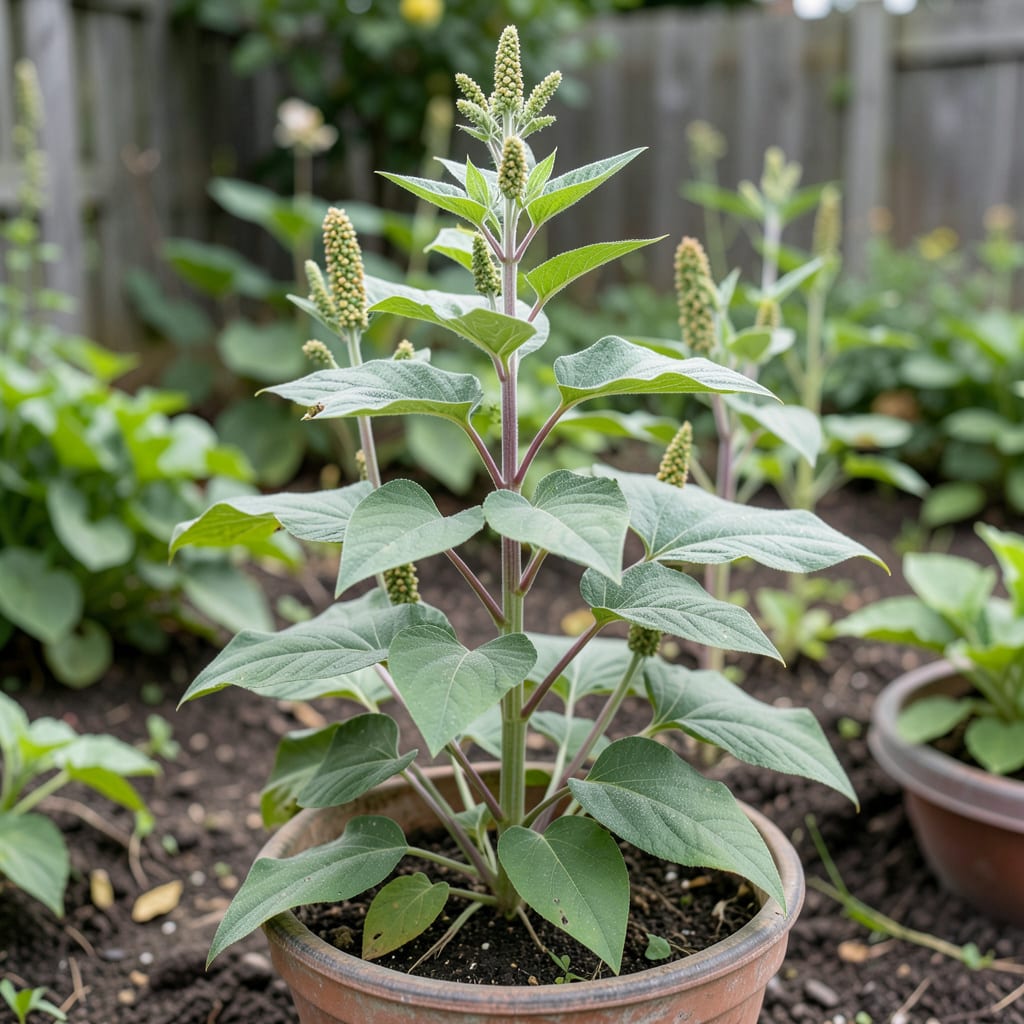
When growing Quinoa 🌾 in your garden, understanding its height is crucial for planning. Quinoa plants can reach impressive heights, typically between 3 to 8 feet tall, making them a striking addition to any garden landscape in USDA Zone 6a.
The height of Quinoa plants can vary based on factors like soil quality, climate, and care practices. By optimizing growing conditions, you can help your Quinoa plants reach their full potential height.


Quinoa is known for its impressive height, which can range from 3 to 8 feet tall, making it a striking addition to any garden. The average height of quinoa plants varies depending on factors such as soil quality, climate, and care practices.
The typical height range for quinoa is between 5 to 6 feet, with some varieties growing taller or shorter than this range. Understanding the growth patterns of quinoa is essential for successful cultivation 🌾.
The height of quinoa plants is influenced by various factors, including soil quality, climate conditions, and cultivation practices. Quinoa grown in optimal conditions with full sun and well-draining soil tends to reach its maximum potential height.
Different quinoa varieties exhibit varying growth habits, with some being more compact and others more vigorous. Understanding these differences is crucial for gardeners to plan their quinoa cultivation effectively 🌱.
Quinoa plants typically grow uniformly in ideal conditions, but factors like nutrient availability and watering practices can impact their height. Gardeners should ensure that their quinoa plants receive adequate moisture and nutrients to support healthy growth.
The growth rate of quinoa plants can also affect their final height. Quinoa typically takes around 120 to 150 days to mature, during which time it can grow significantly. Factors such as temperature and day length can influence the growth rate of quinoa.
In regions with long growing seasons, quinoa plants have more time to reach their full height potential. Conversely, in areas with shorter growing seasons, quinoa may not reach its maximum height.
To optimize quinoa height, gardeners can employ various techniques, such as proper spacing, regular watering, and balanced fertilization. By providing quinoa plants with the right conditions, gardeners can encourage healthy growth and maximize height.
Quinoa’s height can also be influenced by its genetic makeup. Some varieties are bred to be more compact, while others are bred for their height. Understanding the specific characteristics of the quinoa variety being grown is essential for managing expectations regarding plant height.
In conclusion, quinoa plant height is a complex trait influenced by a combination of genetic and environmental factors. By understanding these factors and employing optimal cultivation practices, gardeners can help their quinoa plants reach their full height potential 🌿.
Quinoa plant height is influenced by various factors, including soil quality, climate conditions, and cultivation practices. Understanding these factors is crucial for gardeners to optimize quinoa growth and maximize height 🌾.
The type of soil used for quinoa cultivation plays a significant role in determining plant height. Quinoa prefers well-draining soil with a pH between 6.0 and 8.5. Soil that is too dense or prone to waterlogging can limit root growth and, consequently, affect plant height.
Climate conditions also significantly impact quinoa plant height. Quinoa is adapted to the cool, dry climates of the Andean region. It thrives in temperatures between 60°F and 75°F (15°C to 24°C) and is sensitive to extreme heat and moisture 🌟.
In addition to soil and climate, cultivation practices such as plant spacing, watering frequency, and fertilization can affect quinoa height. Proper spacing allows for good air circulation and reduces competition for resources, while regular watering and balanced fertilization support healthy growth 🌱.
Quinoa plants require adequate moisture, especially during the germination and flowering stages. However, overwatering can lead to root rot and reduce plant height. Gardeners should aim for consistent moisture levels, ensuring the soil is neither too dry nor too wet 💧.
Nutrient management is another critical aspect of quinoa cultivation. Quinoa benefits from balanced fertilization, particularly with nitrogen-rich fertilizers during the growth stage. This promotes leafy growth and supports the development of tall, healthy plants 🌿.
By understanding and managing these factors, gardeners can create optimal conditions for quinoa growth, helping their plants reach their full height potential. Proper care and attention to the specific needs of quinoa can result in robust, tall plants that are both productive and visually appealing 🌾.
In conclusion, the height of quinoa plants is influenced by a combination of soil quality, climate conditions, and cultivation practices. By optimizing these factors, gardeners can encourage healthy growth and maximize quinoa plant height 🌟.
To maximize quinoa height, gardeners should focus on creating optimal growing conditions. This includes providing full sun with at least 6 hours of direct sunlight daily, which is crucial for healthy quinoa growth 🌞.
For maximum quinoa height, maintain consistent moisture levels and avoid overwatering, which can lead to root rot and reduced plant height.
Proper soil preparation is another critical factor. Quinoa prefers well-draining soil with a pH between 6.0 and 8.5. Adding organic matter can improve soil structure and fertility, supporting healthier plant growth 🌱.
Balanced fertilization is essential for promoting quinoa height. Using a nitrogen-rich fertilizer during the growth stage can encourage leafy growth and support the development of tall, healthy plants 🌿.
Adequate spacing between plants is also vital. Proper spacing allows for good air circulation, reduces competition for resources, and helps prevent disease spread. For quinoa, a spacing of 12 to 18 inches between plants is recommended 📏.
Regular watering is necessary, especially during the germination and flowering stages. However, it’s crucial to avoid overwatering, which can lead to root rot and negatively impact plant height 💧.
By implementing these expert gardening tips and techniques, gardeners can create an optimal environment for quinoa growth, maximizing plant height and overall health 🌾.
In conclusion, maximizing quinoa height requires attention to detail and a comprehensive approach to gardening. By following these guidelines, gardeners can enjoy robust, tall quinoa plants that are both productive and visually appealing 🌟.
Quinoa plants typically grow between 3 to 8 feet tall, with an average height of 5 to 6 feet. The height can vary depending on factors like soil quality, climate, and care practices. Proper cultivation can help quinoa reach its maximum potential height .
Soil quality plays a significant role in determining quinoa plant height. Quinoa prefers well-draining soil with a pH between 6.0 and 8.5. Soil that is too dense or prone to waterlogging can limit root growth and affect plant height. Adding organic matter can improve soil structure and fertility .
Quinoa can grow in areas with short growing seasons, but it may not reach its maximum height potential. Quinoa typically takes around 120 to 150 days to mature. In regions with shorter growing seasons, quinoa may not have enough time to reach its full height. Gardeners can choose varieties that mature more quickly to overcome this challenge .
Quinoa plants require consistent moisture, especially during germination and flowering stages. Water them every 5-7 days, ensuring the soil is neither too dry nor too wet. Avoid overwatering, which can lead to root rot and reduced plant height .
