
Beautiful Plants For Your Interior
Beautiful Plants For Your Interior
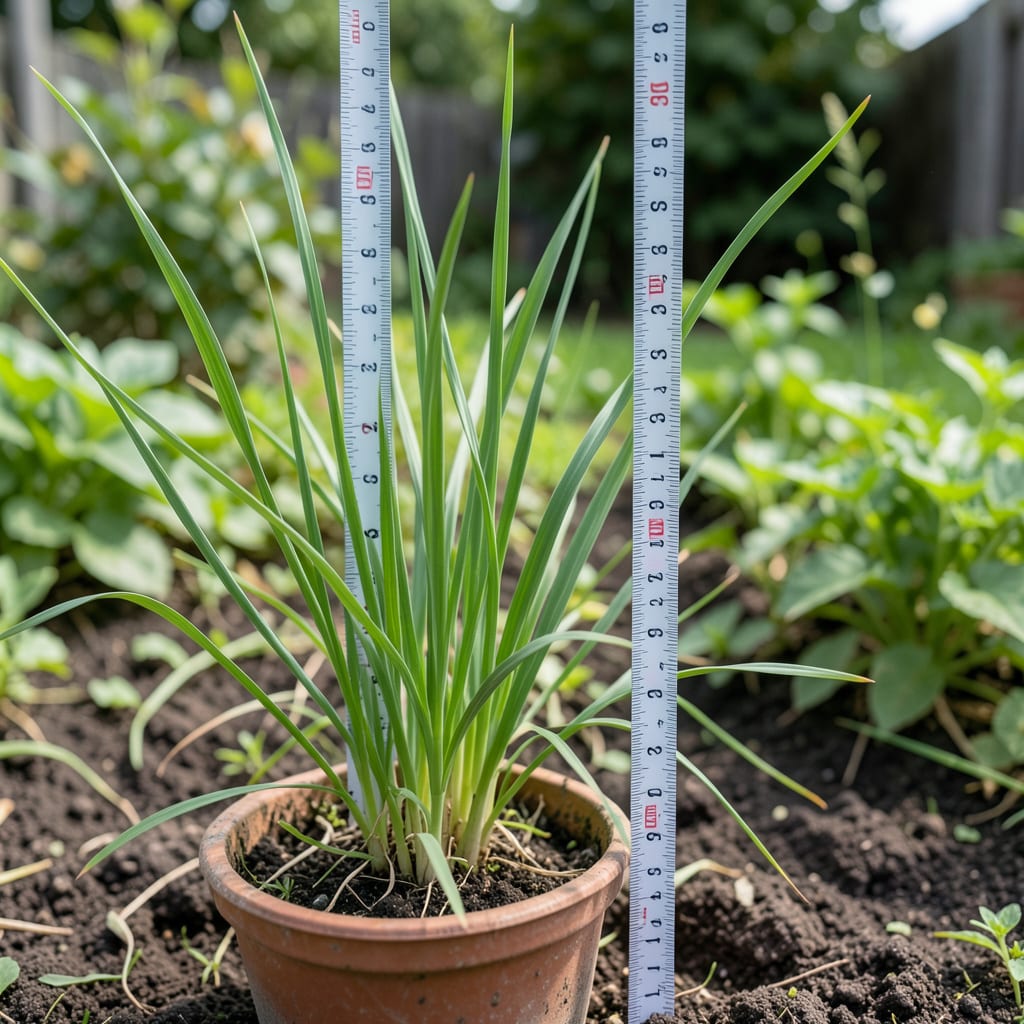
Nutsedge 🌾 can be a persistent problem in gardens and lawns, growing to varying heights depending on the species and conditions. Understanding its growth patterns is key to effective control.
In USDA Zone 6, nutsedge typically grows between 0.5 to 3 feet tall. I’ll explore the factors affecting its height and provide practical management tips to help you control this pesky weed.


Nutsedge height can vary significantly based on several environmental and soil factors. Understanding these factors is crucial for effective management and control of this persistent weed.
The primary factors that influence nutsedge height include soil quality, moisture levels, and sunlight exposure. Nutsedge thrives in moist environments with adequate sunlight, which can lead to more vigorous growth and taller plants.
Nutsedge is known to grow in a variety of conditions, but optimal growth occurs in moist soil with full sun. The height of nutsedge can range from 0.5 to 3 feet under ideal conditions.
Soil quality plays a significant role in determining nutsedge height. Nutrient-rich soils with good drainage tend to support healthier and taller nutsedge plants. Conversely, poor soil conditions can limit growth.
Moisture levels are another critical factor. Nutsedge prefers consistently moist soil, which can lead to more vigorous growth and taller plants. Drought conditions can stunt growth and reduce height.
Sunlight exposure is also essential for nutsedge growth. Full sun conditions promote the tallest growth, while shaded areas may result in shorter plants.
Understanding these factors can help in developing effective strategies for managing nutsedge. By controlling the conditions that favor its growth, you can better manage its height and overall impact on your garden or lawn 🌾.
Effective management of nutsedge requires a comprehensive approach that considers these growth factors. By optimizing soil quality, managing moisture levels, and ensuring appropriate sunlight exposure, you can control nutsedge height and reduce its impact.
Nutsedge management strategies should be tailored to the specific conditions of your garden or lawn. By understanding how different factors affect nutsedge height, you can develop targeted approaches to control its growth.
In conclusion, managing nutsedge height involves understanding and manipulating the factors that influence its growth. By doing so, you can effectively control this persistent weed and maintain a healthier garden or lawn.
Nutsedge height can vary significantly between different species, with yellow nutsedge and purple nutsedge being the most common types. Understanding these height variations is crucial for effective management.
The height of nutsedge plants is influenced by their species, with yellow nutsedge typically growing taller than purple nutsedge. Both species can reach varying heights depending on environmental conditions.
The average height of yellow nutsedge typically ranges between 1 to 2 feet, while purple nutsedge usually grows between 0.5 to 1.5 feet. However, both species can reach their maximum height under ideal growing conditions.
Yellow nutsedge is known to grow taller, reaching heights of up to 3 feet in optimal conditions. In contrast, purple nutsedge typically tops out at around 2 feet at its maximum height.
Understanding the typical height range of different nutsedge species is essential for developing effective control strategies. By recognizing the growth patterns of these weeds, you can better manage their impact on your garden or lawn 🌾.
Nutsedge height management requires a comprehensive approach that considers the specific species present. By tailoring your control strategies to the typical height range of the nutsedge species you’re dealing with, you can more effectively manage its growth.
In conclusion, understanding the height variations between different nutsedge species is crucial for effective management. By recognizing these differences, you can develop targeted strategies to control nutsedge growth in your garden or lawn.
Managing nutsedge height is crucial for effective control in gardens and lawns. By understanding how to manage its growth, you can reduce its impact on your outdoor space.
One effective strategy for controlling nutsedge height is through regular mowing. Maintaining your lawn at the recommended height can help prevent nutsedge from growing too tall and producing seeds.
Maintain your lawn at 2.5-3 inches height to suppress nutsedge growth. Regular mowing can help prevent seed production and reduce its spread 🌱.
In addition to mowing, implementing cultural practices can help manage nutsedge height. This includes improving soil quality, managing moisture levels, and ensuring adequate sunlight exposure.
Improving soil quality through the addition of organic matter can help promote healthy turf growth, making it more competitive against nutsedge. This can lead to a reduction in nutsedge height and overall growth.
Managing moisture levels is also essential. Nutsedge thrives in moist conditions, so avoiding overwatering can help control its growth. Maintaining optimal moisture levels for your desired plants can make them more competitive against nutsedge.
Ensuring adequate sunlight exposure is another critical factor. While nutsedge can grow in various light conditions, full sun can promote healthier turf growth, making it more competitive against nutsedge.
By combining these strategies, you can effectively manage nutsedge height and reduce its impact on your garden or lawn. Regular monitoring and maintenance are key to successful nutsedge control 🌿.
In conclusion, managing nutsedge height requires a comprehensive approach that includes regular mowing, cultural practices, and other management techniques. By implementing these strategies, you can effectively control nutsedge growth and maintain a healthier outdoor space.
Nutsedge height varies by species and growing conditions. Generally, it can grow between 0.5 to 3 feet tall. Yellow nutsedge tends to grow taller than purple nutsedge.
Nutrient-rich soil with good drainage supports healthier and taller nutsedge growth. Poor soil conditions can limit its height. Maintaining optimal soil quality is crucial for effective management.
Yes, regular mowing can help control nutsedge height. Maintaining your lawn at 2.5-3 inches can suppress nutsedge growth and prevent seed production. This is a simple yet effective management strategy.
Nutsedge thrives in consistently moist soil, which can lead to more vigorous growth and taller plants. Avoiding overwatering can help control its growth. Optimal moisture management is key to reducing nutsedge height.
