
Beautiful Plants For Your Interior
Beautiful Plants For Your Interior
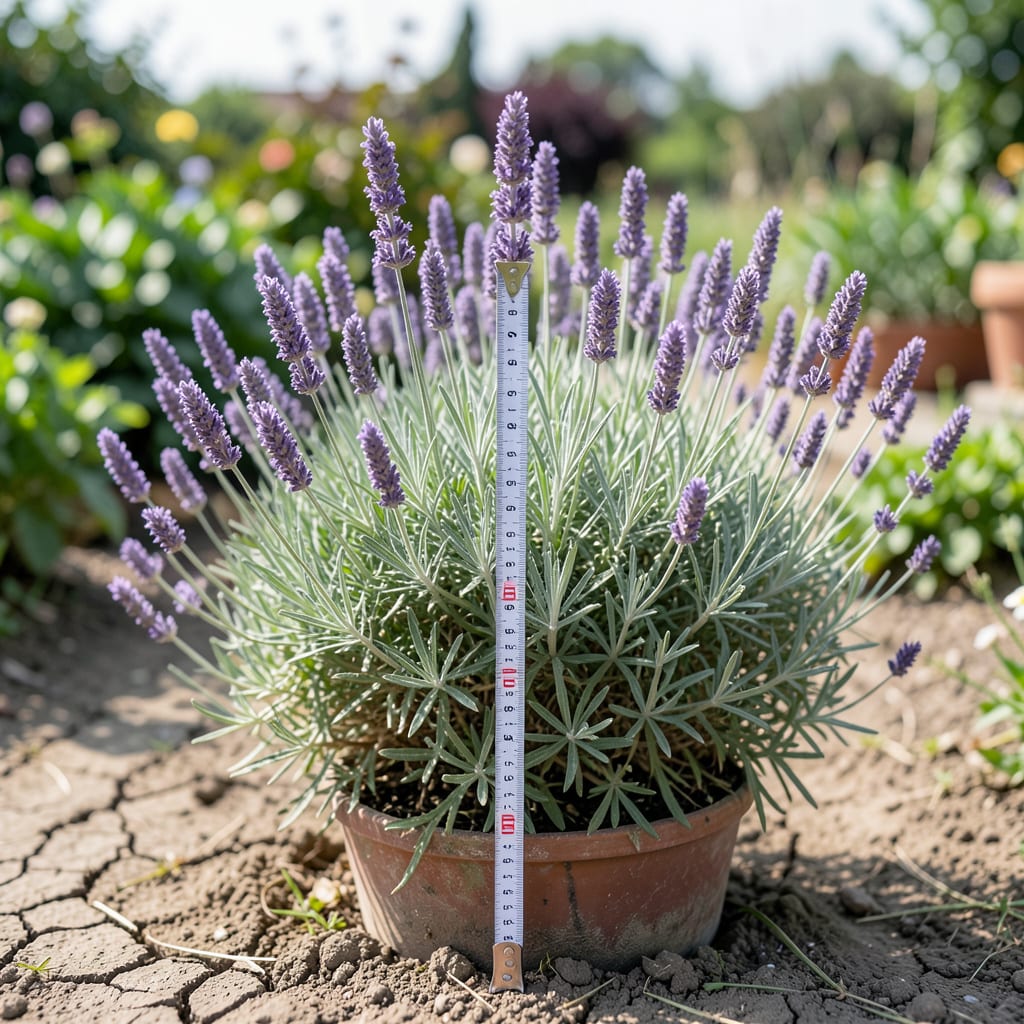
When planning your garden, understanding how tall your plants will grow is crucial. Lavender 🌿 plants, known for their beauty and fragrance, can reach varying heights depending on several factors.
I’ll guide you through what influences their growth and how to manage their height effectively in USDA Zone 6, where they typically thrive during the spring season.


Lavender plant height is influenced by several key factors that gardeners should consider when planning their garden. The variety of lavender plays a significant role in determining its height, with different types having distinct growth patterns. For instance, English lavender tends to be more compact compared to other varieties 🌿.
Understanding these factors is crucial for managing expectations and creating an optimal growing environment. Let’s explore the primary influences on lavender plant height, including the type of lavender, growing conditions, and care practices.
The lavender variety is a primary factor in determining plant height. English lavender, for example, typically grows between 1-2 feet tall, while French lavender can reach heights of 2-3 feet. Other varieties like Spanish lavender may grow even taller under optimal conditions.
Growing conditions also significantly impact lavender plant height. Soil quality, in particular, plays a crucial role. Lavender thrives in well-drained soil with a slightly alkaline pH. Poor soil conditions can limit plant growth, resulting in shorter plants. Sunlight exposure is another critical factor; lavender requires full sun to reach its maximum height potential.
Pruning practices are essential for managing lavender plant height. Regular pruning after flowering helps maintain a compact shape and encourages new growth. Pruning in the spring or fall can help control the plant’s size and promote healthier growth.
By understanding these factors and how they interact, gardeners can better predict and manage the height of their lavender plants, ensuring they thrive in their garden environment 🌼.
Lavender plants are known for their relatively low maintenance requirements, making them an excellent choice for gardeners of all experience levels. Their drought tolerance and resistance to pests contribute to their popularity in garden landscapes.
The height of lavender plants can vary significantly based on the specific growing conditions. Factors such as soil drainage, sunlight exposure, and watering practices all contribute to the overall health and size of the plant. Gardeners should ensure their lavender plants receive adequate sunlight and are planted in well-draining soil to promote optimal growth.
In USDA Zone 6, lavender plants typically thrive during the spring and summer months. During this time, they require regular watering and occasional fertilization to support their growth. By providing the right conditions and care, gardeners can enjoy healthy, thriving lavender plants that add beauty and fragrance to their garden 🌿.
Effective pruning is key to managing the height of lavender plants. By pruning regularly, gardeners can maintain a compact, bushy shape and encourage new growth. This practice not only helps control the plant’s size but also promotes healthier, more vibrant blooms.
In conclusion, understanding the factors that affect lavender plant height is essential for successful garden planning. By considering the variety of lavender, growing conditions, and pruning practices, gardeners can create an optimal environment for their plants to thrive.
Lavender plants come in various types, each with its unique characteristics and growth habits. Understanding the average height range for different lavender varieties is essential for garden planning and ensuring that your plants have enough space to grow 🌿.
The height of lavender plants can vary significantly based on the specific variety. Let’s explore the typical heights of some popular lavender types to help you make informed decisions for your garden.
The English lavender variety is known for its compact growth habit, typically reaching heights of 1-2 feet. This makes it an excellent choice for garden borders or containers where space is limited 🌼.
French lavender, on the other hand, tends to grow taller, reaching heights of 2-3 feet. It has an upright growth habit with slightly sprawling branches, making it suitable for adding height and texture to garden beds 🌿.
Spanish lavender is another popular variety that grows to be around 2-3 feet tall. It has a bushy growth habit and produces showy, butterfly-like flowers that add a unique touch to any garden 🌸.
When planning your garden, it’s essential to consider the mature height of the lavender variety you choose. This will help you ensure that your plants have enough space to grow and thrive without becoming overcrowded 🌻.
By understanding the average height range for different lavender types, you can create a well-balanced and visually appealing garden that showcases the beauty of these lovely plants 🌼.
Managing the height of lavender plants is crucial for maintaining their shape and promoting healthy growth. Regular pruning practices are essential for controlling the height and encouraging bushier growth 🌿.
Let’s explore some practical tips on how to manage lavender plant height effectively.
Prune your lavender plants regularly to maintain a compact shape and encourage new growth. Prune in the spring or fall to control the plant’s size and promote healthier growth.
Pruning is a critical care practice for lavender plants. It helps maintain a compact, bushy shape and encourages new growth. Prune your lavender plants after they finish flowering to avoid cutting off the buds that will produce next year’s flowers 🌼.
Soil conditions also play a significant role in managing lavender plant height. Lavender thrives in well-drained soil with a slightly alkaline pH. Ensuring good soil drainage can help prevent root rot and promote healthy growth 🌱.
Sunlight exposure is another factor to consider when managing lavender plant height. Lavender requires full sun to reach its maximum height potential. Make sure your lavender plants receive at least 6 hours of direct sunlight daily to promote optimal growth 🌞.
In addition to pruning, soil conditions, and sunlight exposure, watering practices can also impact lavender plant height. Lavender is drought-tolerant and prefers infrequent watering. Avoid overwatering, as this can lead to root rot and negatively affect plant height 💧.
By following these tips and providing the right conditions and care, you can effectively manage the height of your lavender plants and enjoy their beauty and fragrance in your garden 🌿.
Effective management of lavender plant height not only enhances the plant’s appearance but also promotes healthier growth and more vibrant blooms. Regular maintenance and proper care practices are key to achieving the desired height and overall health of your lavender plants 🌸.
English lavender usually grows between 1-2 feet tall, making it perfect for garden borders or containers. It’s a compact variety that’s easy to maintain.
Yes, regular pruning is essential for managing lavender height. Prune your plants after they finish flowering to maintain a compact shape and encourage new growth. This helps keep your lavender plants healthy and bushy.
Lavender thrives in well-drained soil with a slightly alkaline pH. Ensuring good soil drainage helps prevent root rot and promotes healthy growth. This is crucial for your lavender plants to reach their maximum height potential.
Lavender requires full sun to reach its maximum height. Make sure your plants receive at least 6 hours of direct sunlight daily. This will help them grow strong and healthy.
