
Beautiful Plants For Your Interior
Beautiful Plants For Your Interior
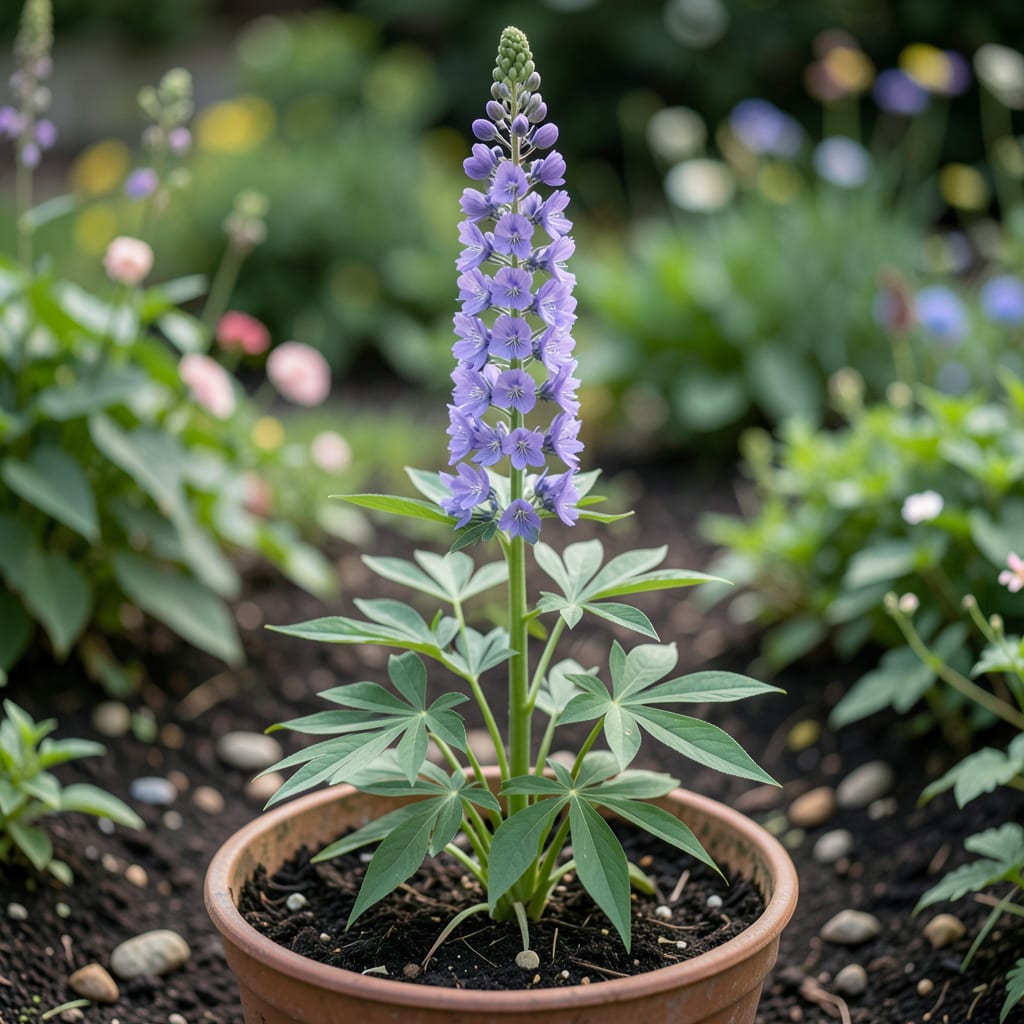
As I step into my garden during spring, I’m always amazed by the majestic Larkspur 🌸 spikes that transform the landscape. These stunning flowers can grow quite tall, but their exact height depends on various factors.
In USDA Zone 6, Larkspur can reach impressive heights, typically between 2 to 5 feet, making them a striking addition to any garden. Let’s explore what influences their growth and how to maximize their height.


Larkspur’s height is influenced by several key factors that gardeners can control to achieve optimal growth. Understanding these elements is crucial for maximizing the plant’s potential height of 2 to 5 feet.
The first critical factor is soil quality. Larkspur prefers well-draining soil rich in organic matter. I recommend amending the soil with compost to improve its structure and fertility. This not only promotes healthy root development but also supports overall plant growth 🌿.
Sunlight exposure is another vital factor. Larkspur thrives in full sun, requiring at least 6 hours of direct sunlight daily. This promotes healthy growth and helps the plant reach its maximum height. In my experience, larkspur grown in partial shade tends to be slightly shorter and may require additional support 🌻.
Watering practices also play a significant role. Larkspur prefers consistently moist soil, especially during its growing season. Regular watering, combined with mulching to retain moisture, can help achieve taller plants. However, it’s essential to avoid waterlogging, which can lead to root rot and negatively impact height 💧.
Fertilization is another aspect to consider. Feeding larkspur with a balanced fertilizer during the growing season can enhance its growth and height. I recommend using a 10-10-10 NPK fertilizer every 4-6 weeks. This provides the necessary nutrients for robust growth and taller spikes.
Support is often necessary for taller larkspur varieties. Staking the plants can prevent them from toppling over in the wind, ensuring they grow upright and reach their full height. I use bamboo stakes and gently tie the stems with soft twine to provide support without damaging the plants 🌿.
In addition to these factors, spacing is crucial. Planting larkspur with adequate space between them allows for good air circulation, reducing the risk of disease and promoting healthier, taller growth. I recommend spacing them about 12 to 18 inches apart.
By carefully managing these factors, gardeners can create optimal conditions for larkspur to achieve its maximum height. This not only enhances the visual appeal of the garden but also ensures a robust and healthy display of these beautiful flowers 🌸.
It’s worth noting that different larkspur varieties may have slightly different growth habits. Some may naturally grow taller than others, so choosing the right variety is also a key consideration for achieving the desired height.
Overall, achieving the maximum height of larkspur requires a combination of good growing practices, including proper soil preparation, adequate sunlight, consistent watering, appropriate fertilization, and support when necessary. By following these guidelines, gardeners can enjoy a stunning display of tall, vibrant larkspur in their gardens 🌼.
For more specific advice tailored to your garden’s conditions, I recommend consulting local gardening resources or experts who can provide guidance based on your region’s climate and soil characteristics.
By understanding and implementing these strategies, you can maximize the height and beauty of your larkspur plants, creating a breathtaking display in your garden 🌸.
I recommend starting with proper fertilization to maximize larkspur growth. Using a balanced fertilizer during the growing season can significantly enhance height and overall plant health 🌱.
Staking is another crucial technique for maximizing larkspur height. Taller varieties often need support to prevent stem breakage. I use bamboo stakes and gently tie the stems with soft twine to keep them upright 🌼.
Amend soil with compost to improve fertility and drainage, creating an ideal environment for larkspur growth.
Provide full sun exposure for at least 6 hours daily to promote healthy growth and maximize height.
Maintain consistently moist soil throughout the growing season, avoiding waterlogging to support optimal growth.
Pest management is also essential for maximizing larkspur growth. Regularly inspect your plants for signs of pests like aphids or slugs. Using organic pest control methods can help protect your plants without harming beneficial insects 🌿.
Deadheading spent flowers can encourage larkspur to produce more blooms, although this may not directly impact height. It does, however, contribute to a healthier and more vibrant display 🌸.
By implementing these expert gardening tips, you can create optimal conditions for your larkspur to achieve its maximum height and enjoy a stunning floral display in your garden 🌼.
Monitoring and adjusting your gardening practices based on your larkspur’s response is key to achieving the best results. Every garden is unique, so be prepared to make adjustments as needed.
With these strategies in place, you’ll be well on your way to growing impressive, tall larkspur that becomes a highlight of your garden 🌸.
Larkspur comes in various types, each with its unique growth patterns and height ranges. Understanding these variations is essential for gardeners to choose the right variety for their space and expectations 🌼.
The height of larkspur is also influenced by factors such as soil quality, sunlight exposure, and watering practices. Gardeners should consider these elements when selecting a variety and planning their garden 🌿.
When choosing a larkspur variety, it’s essential to consider the mature height and growth habits to ensure they fit well within your garden design. This helps in planning the layout and making the most of the available space 🌼.
Different larkspur varieties not only vary in height but also in flower color and blooming period. This diversity allows gardeners to create a dynamic and interesting garden display throughout the growing season 🌸.
By understanding the different types of larkspur and their growth patterns, gardeners can make informed decisions about which varieties to plant, ensuring a beautiful and thriving garden 🌼.
Larkspur plants typically grow between 2 to 5 feet tall, with some varieties reaching up to 6 feet in ideal conditions. The height can vary based on factors like soil quality and sunlight exposure. Proper care can help maximize their growth potential .
To encourage taller growth, ensure your larkspur receives full sun and maintain consistently moist soil. Using a balanced fertilizer during the growing season can also enhance height. Additionally, providing support with stakes can help prevent stem breakage and promote upright growth .
Yes, larkspur comes in various types with different height ranges. Dwarf varieties typically grow 2 to 3 feet tall, while standard varieties can reach 3 to 5 feet. Giant varieties are the tallest, growing up to 6 feet or more in ideal conditions. Choosing the right variety helps in planning your garden layout .
If your larkspur isn’t reaching the expected height, it might be due to insufficient sunlight, poor soil quality, or inadequate watering. Ensure your plants receive at least 6 hours of direct sunlight daily and maintain well-draining, fertile soil. Adjusting these factors can help improve growth .
