
Beautiful Plants For Your Interior
Beautiful Plants For Your Interior
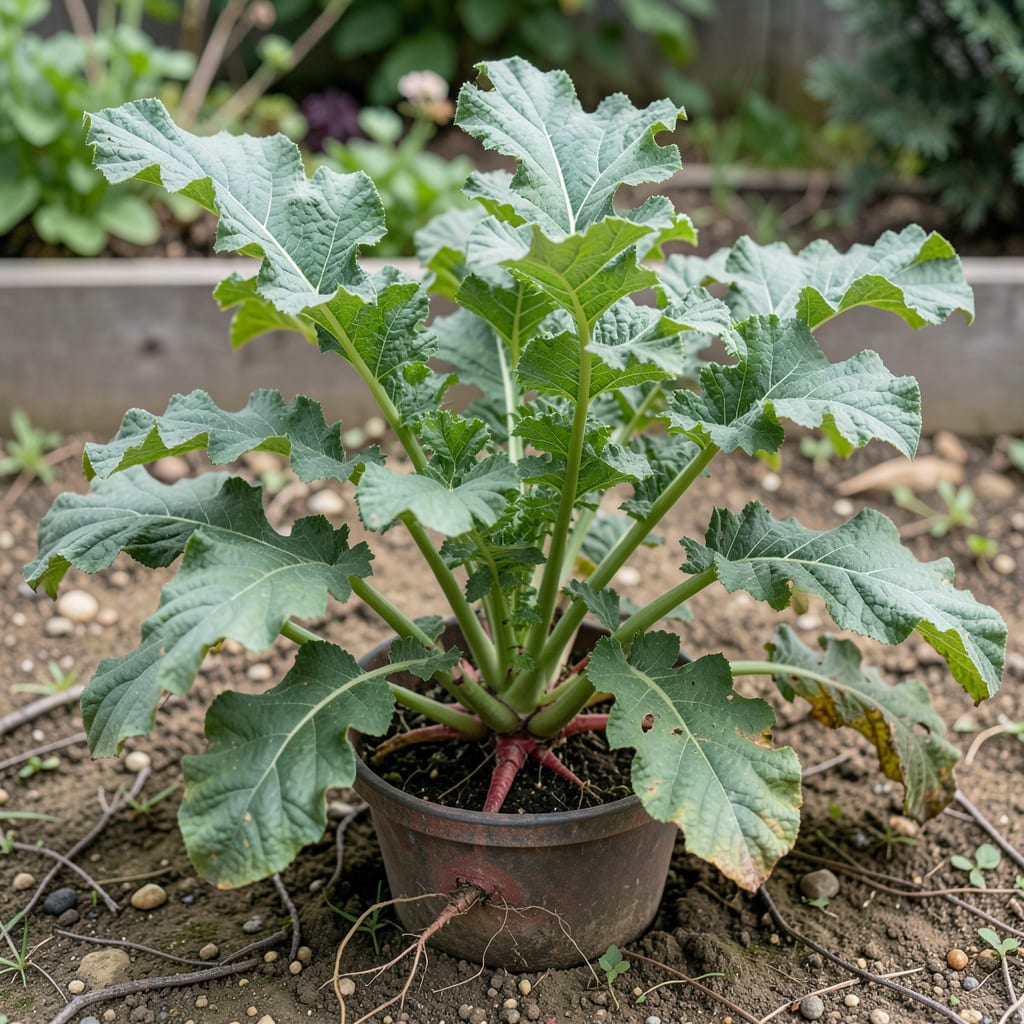
As a gardener, I’ve learned that Horseradish 🪴 can be both a blessing and a challenge. This hardy perennial can grow quite tall, reaching heights of 2-4 feet, making it a great addition to many gardens in USDA Zone 6a.
Understanding how to manage its vigorous growth is key to enjoying its culinary benefits. Let’s explore the factors that influence horseradish height and how to keep it under control.


Horseradish is known for its vigorous growth, reaching heights between 2-4 feet under optimal conditions. As a gardener, understanding the factors that influence its height is crucial for effective cultivation.
The height of horseradish plants is primarily influenced by soil quality, sunlight exposure, and watering conditions. Let’s explore these factors in more detail to understand how they impact horseradish growth.
The ideal height of 2-4 feet allows horseradish to be easily maintained while maximizing root production. Factors such as soil compaction and nutrient deficiencies can limit growth, while proper spacing and regular watering promote healthy development 🌿.
Understanding these growth factors helps gardeners create optimal conditions for their horseradish plants. By providing the right environment, you can encourage robust growth and maximize your harvest.
Soil preparation is particularly important for horseradish, as it prefers loose, well-draining soil that allows its taproot to grow deep. Gardeners should also be aware that horseradish can be quite competitive, potentially overshadowing nearby plants 🌱.
To achieve the maximum height, horseradish needs consistent moisture, especially during its active growing period in spring and early summer. However, it’s equally important to avoid waterlogging, which can lead to root rot.
Sunlight exposure plays a significant role in horseradish growth. While it can tolerate partial shade, full sun typically results in more vigorous growth and better root development.
Regular monitoring of soil conditions and adjusting watering accordingly can help maintain optimal growth. Gardeners should also consider fertilization to provide necessary nutrients for healthy development.
By understanding and managing these factors, gardeners can optimize their horseradish cultivation and enjoy a bountiful harvest. Proper care and attention to the plant’s needs will result in healthy, robust growth.
Horseradish plants typically reach their full height within the first year of planting, with continued root development in subsequent years. This growth pattern makes it an excellent crop for gardeners looking for a low-maintenance, high-reward plant.
In summary, achieving optimal horseradish height requires a combination of good soil quality, appropriate sunlight, and careful watering practices. By focusing on these key factors, gardeners can successfully cultivate this valuable culinary herb.
As a gardener, I’ve found that managing horseradish spread is crucial for maintaining a balanced garden ecosystem. Horseradish can grow quite vigorously, reaching heights of 2-4 feet, and if not controlled, it can overshadow other plants.
To effectively manage horseradish height, it’s essential to understand its growth habits and implement proper planting techniques. Let’s explore some practical tips for controlling horseradish spread.
Horseradish can be quite invasive if not properly contained. Regular monitoring and maintenance are key to preventing unwanted spread.
One effective method for controlling horseradish spread is to plant it in containers. This approach not only limits its ability to spread but also makes it easier to manage its height. When planting in containers, ensure they are at least 12-18 inches deep to accommodate the plant’s taproot.
Another strategy is to regularly prune the horseradish plants. By removing the flower stalks and trimming back the foliage, you can control the plant’s height and prevent it from flowering and setting seed. This not only helps in managing its spread but also encourages the plant to focus its energy on root development.
Proper spacing is also crucial when planting horseradish in the ground. Planting the root crowns 12-18 inches apart allows for good air circulation and reduces the likelihood of the plants becoming too dense and competitive.
In addition to these methods, regular harvesting can help control horseradish spread. By harvesting the roots regularly, you can prevent the plant from becoming too established and spreading beyond its designated area.
It’s also worth noting that horseradish can be a great companion plant, helping to repel pests that might target other crops. By incorporating it into your garden design thoughtfully, you can enjoy its benefits while keeping its spread under control.
By implementing these strategies, gardeners can effectively manage horseradish height and prevent unwanted spread. With proper care and attention, horseradish can be a valuable and manageable addition to any garden 🌿.
In summary, managing horseradish height requires a combination of proper planting techniques, regular maintenance, and thoughtful garden design. By following these tips, you can enjoy the benefits of growing horseradish while keeping its vigorous growth in check.
To maximize horseradish yield, gardeners should focus on creating optimal growing conditions. This includes providing the right soil quality, adequate sunlight exposure, and proper watering practices. By understanding these key factors, you can significantly improve your horseradish production 🌿.
Ensure soil is well-draining and rich in organic matter. Horseradish thrives in loose soil that allows its taproot to grow deep.
Horseradish prefers full sun to partial shade. Aim for at least 6 hours of direct sunlight daily for optimal growth.
Keep the soil consistently moist but avoid waterlogging. Regular watering is crucial during the active growing period.
By following these best practices, gardeners can significantly enhance their horseradish yield. Proper care and attention to the plant’s needs will result in healthy, robust growth and a bountiful harvest 🌼.
Regular harvesting is also essential for maximizing horseradish yield. Harvesting the roots regularly not only provides you with fresh produce but also helps control the plant’s spread.
In summary, maximizing horseradish yield requires a combination of optimal growing conditions, proper care, and regular maintenance. By focusing on these key areas, you can enjoy a successful and productive horseradish crop.
Horseradish is typically ready to harvest when the roots are at least 6 inches long and the tops have died back after the first frost. The ideal height isn’t as important as the root size and condition. Harvesting usually occurs in fall or early winter.
While horseradish can grow 2-4 feet tall, it’s not typically a problem of being too tall, but rather becoming too invasive. Regular pruning and harvesting help keep the plant under control. Focus on managing its spread rather than height.
Horseradish needs consistent moisture, especially during its active growing period. Water it weekly, providing about 1 inch of water per week. Avoid waterlogging, which can lead to root rot. Proper watering encourages robust growth.
Yes, container size can impact horseradish growth. Use a container that’s at least 12-18 inches deep to accommodate its taproot. This depth helps control the plant’s height and promotes healthy root development.
