
Beautiful Plants For Your Interior
Beautiful Plants For Your Interior
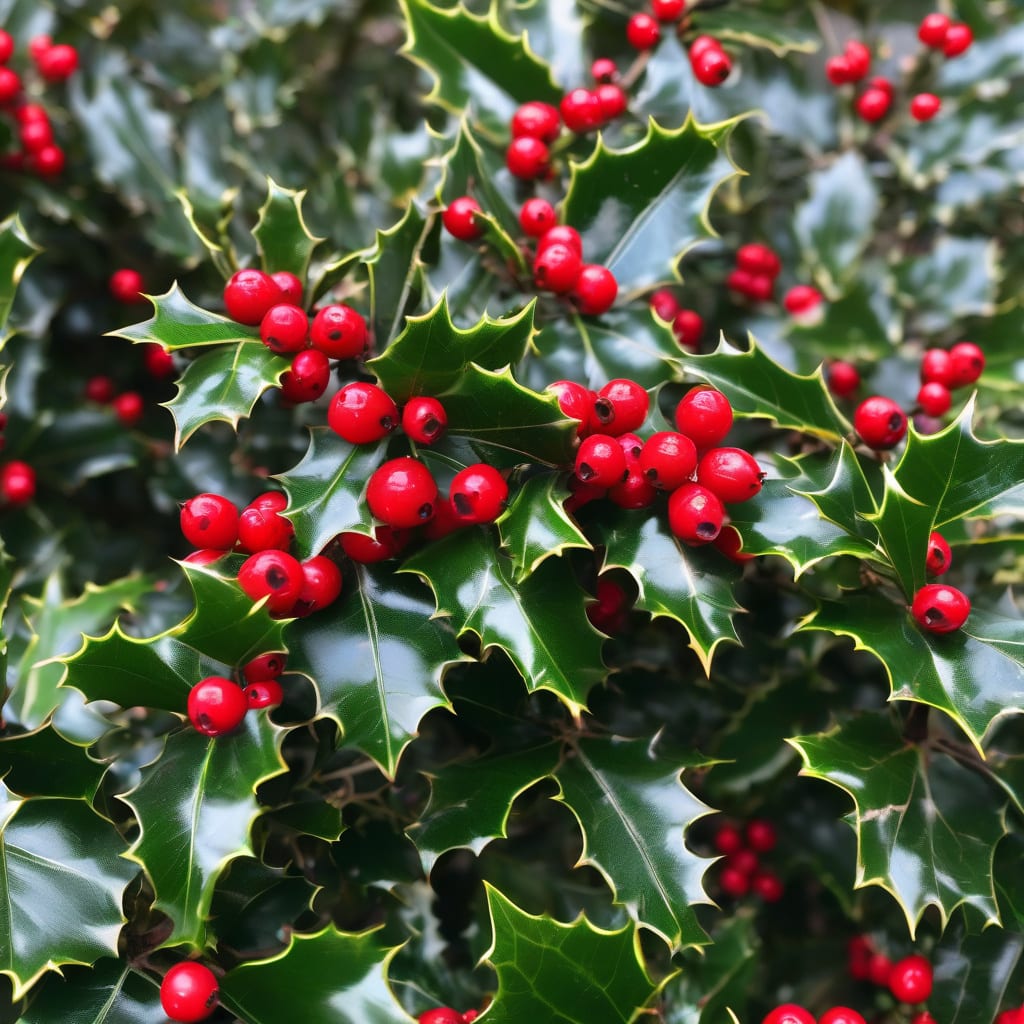
When planting Holly 🌿 in your garden, understanding its growth potential is crucial for proper placement. These versatile shrubs can transform your landscape with their year-round greenery and festive berries.
In USDA Zone 6, Holly plants can grow anywhere from 3 to 50 feet tall, depending on the variety and growing conditions. Let’s explore the factors that influence their height and how to manage their growth.

Understanding the factors that influence holly plant height is crucial for gardeners to make informed decisions about their landscape. The growth potential of holly plants can vary significantly based on several key factors.
Holly variety, growing conditions, and maintenance practices all play a significant role in determining the maximum height potential of these plants. Different holly species have unique growth characteristics that affect their overall height 🌿.
The specific holly variety significantly impacts its height potential. For example, dwarf holly typically grows between 3-6 feet tall, while standard holly can reach heights of 15-50 feet. Understanding these differences helps gardeners choose the right variety for their space.
Growing conditions, including soil quality and light exposure, also affect holly height. Well-draining soil with adequate nutrients supports healthy growth, while partial shade to full sun can influence growth rate and density. Consistent moisture is essential for promoting healthy development 🌱.
Maintenance practices, particularly pruning, play a crucial role in controlling holly height and shape. Regular pruning allows gardeners to maintain a desired height or shape, making holly a versatile choice for various landscaping needs.
By considering these factors, gardeners can better understand how tall their holly plants are likely to grow and plan their landscape accordingly. Whether you’re looking for a compact shrub or a tall specimen, holly offers a range of options to suit different garden designs.
I recommend researching the specific holly variety you’re interested in to understand its unique growth characteristics and potential height range. This knowledge will help you make informed decisions about planting and maintenance.
Proper care and maintenance can help holly plants reach their full height potential while maintaining a healthy and attractive shape. Regular monitoring and adjustments to care practices can ensure your holly thrives in your garden.
For more specific guidance on caring for your holly plants, consider consulting with a local gardening expert or horticulturist who can provide tailored advice based on your region and specific growing conditions.
By understanding the factors that affect holly height growth, you can create a beautiful and thriving landscape that meets your needs and enhances your outdoor space 🌿.
Understanding the average height expectations for different holly types is essential for gardeners to plan their landscape effectively. Holly plants come in various species, each with its unique growth characteristics and height potential 🌿.
The height of holly plants can vary significantly depending on the specific variety. Some compact varieties are ideal for small gardens or hedges, while others can grow into large shrubs or even small trees.
When selecting a holly variety, it’s crucial to consider the mature height to ensure it fits your landscape design. Compact varieties like Japanese Holly or Dwarf Holly are perfect for smaller spaces or hedges, while larger varieties like American Holly or English Holly can serve as statement pieces or privacy screens.
Gardeners should also consider the growth rate of their chosen holly variety. Some hollies grow quickly and may require more frequent pruning, while others grow slowly and need less maintenance. Understanding these characteristics helps in planning the right care for your holly plants 🌿.
By choosing the right holly variety for your garden, you can achieve the desired height and aesthetic appeal. Whether you’re looking for a compact shrub or a tall tree, there’s a holly variety to suit your needs.
I recommend consulting with local nurseries or gardening experts to find the best holly variety for your specific climate and landscape requirements. They can provide valuable insights into the growth habits and maintenance needs of different holly species.
Proper planning and understanding of holly height expectations can lead to a more beautiful and manageable garden. By selecting the appropriate variety and providing the right care, you can enjoy the beauty of holly plants for years to come.
Proper pruning and maintenance are essential for controlling holly height and shape. Regular pruning helps maintain the desired size while promoting healthy growth 🌿.
I recommend pruning holly plants during their dormant season, typically in late winter or early spring. This timing minimizes stress on the plant and allows for optimal healing before new growth begins.
Start by removing any dead, diseased, or damaged branches to maintain plant health and appearance.
Selectively prune branches to achieve the desired shape and size, cutting just above a growth node to encourage new growth.
Thin out overcrowded areas to improve air circulation and light penetration, promoting overall plant health.
Pruning techniques vary depending on the holly variety and desired outcome. For maintaining a compact shape, regular light pruning is more effective than severe pruning. Using sharp, clean pruning tools helps prevent damage to the plant and reduces the risk of disease transmission.
By following these pruning and maintenance tips, you can effectively manage your holly plant’s height and shape. Regular care ensures your holly remains healthy and attractive, enhancing your garden’s beauty for years to come 🌿.
