
Beautiful Plants For Your Interior
Beautiful Plants For Your Interior
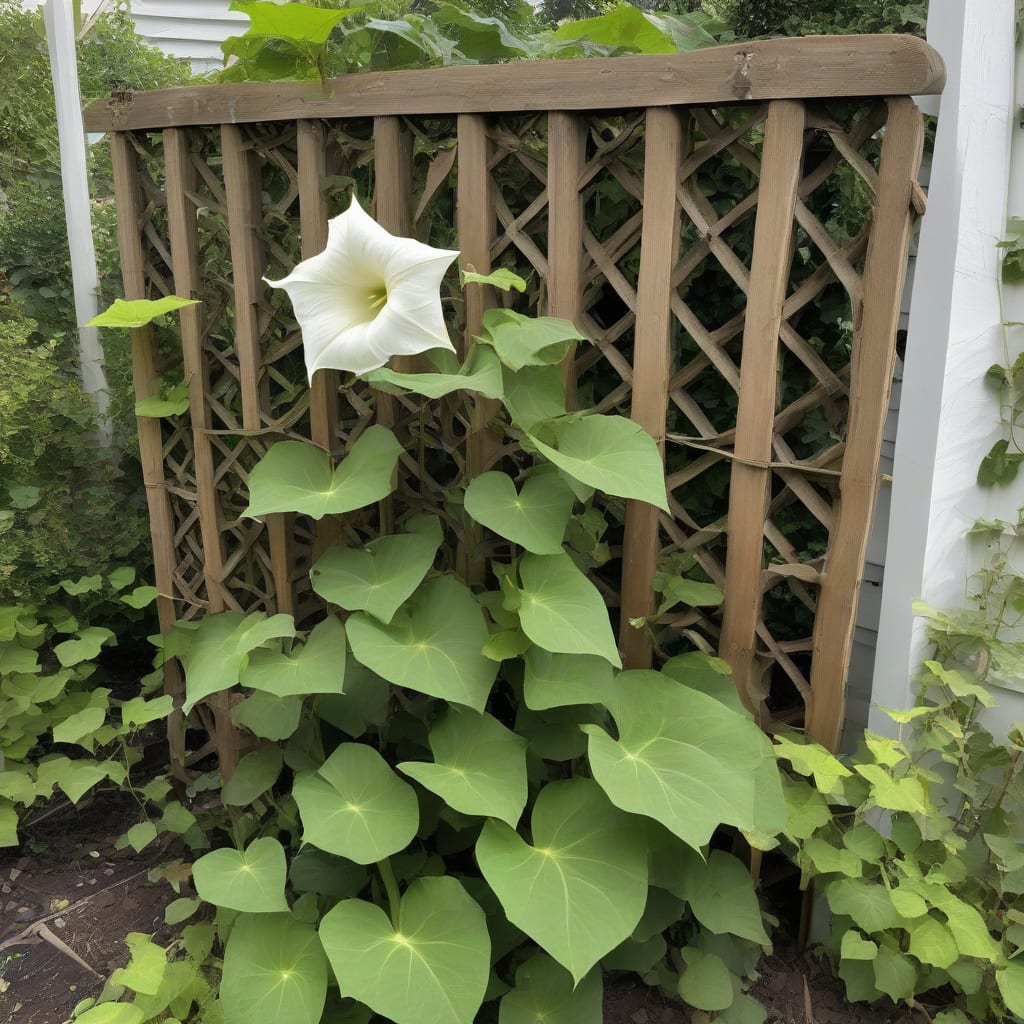
I still remember the first time I saw a Moonflower 🌼 vine sprawling up its trellis – the sheer height and dramatic nighttime blooms left me amazed. Moonflowers can grow 10 to 15 feet tall, making them a stunning addition to any garden.
Understanding their growth habits is key to supporting their vertical development. In USDA Zone 6, these summer bloomers thrive when given the right conditions and support, reaching impressive heights that transform any garden space.

6-8 ft

10-12 ft

12-15 ft

10-15 ft
Moonflowers are known for their impressive vertical growth, but several factors can influence their ultimate height. Understanding these factors helps gardeners create optimal growing conditions for their moonflowers 🌼.
The height of moonflowers can vary significantly based on growing conditions, soil quality, and the support systems provided. Generally, moonflowers can grow between 10 to 15 feet tall, but this range can be affected by various factors.
By understanding these factors, gardeners can create optimal conditions for their moonflowers to thrive and reach impressive heights 🌼.
Different varieties of moonflowers may have slightly different height potential. While most moonflowers typically grow between 10 to 15 feet tall, some compact varieties might top out at around 8 feet, while vigorous varieties can exceed 15 feet under ideal conditions.
Soil preparation plays a crucial role in moonflower height. Moonflowers prefer rich, well-draining soil with a slightly acidic to neutral pH (around 6.0-7.0). Adding organic matter like compost can improve soil fertility and drainage, supporting healthier plant growth.
The support system provided for moonflowers significantly impacts their ability to reach maximum height. Sturdy trellises, arbors, or fences give the vines something to climb on, allowing them to grow vertically rather than sprawling on the ground.
To maximize moonflower height, it’s essential to provide adequate sunlight. Moonflowers thrive in full sun, requiring at least 6 hours of direct sunlight per day. In areas with intense afternoon sun, some light afternoon shade can help prevent stress.
Nutrient management is another critical factor. Moonflowers are heavy feeders and benefit from regular fertilization. A balanced fertilizer (such as a 10-10-10 NPK formula) applied every 4-6 weeks during the growing season can support vigorous growth and flowering.
Finally, consistent watering practices contribute to healthy moonflower growth. While moonflowers prefer moist soil, they don’t like to be waterlogged. Deep watering once or twice a week, depending on weather conditions, encourages deep root growth and supports taller plants.
By focusing on these key factors, gardeners can create an optimal environment for their moonflowers to reach their full height potential 🌼.
To help moonflowers reach their full height potential of 10 to 15 feet, gardeners can implement several expert strategies. First, it’s crucial to provide the right support system 🌼.
Moonflowers are vigorous climbers and need sturdy trellises or arbors to grow vertically. The support should be at least 8 feet tall to accommodate their growth. Training the vines to climb by gently twining them around the support helps maximize height.
Prepare soil with organic compost to improve fertility and drainage. Moonflowers prefer slightly acidic to neutral soil pH (6.0-7.0).
Use balanced fertilizer (10-10-10 NPK) every 4-6 weeks during the growing season to support vigorous growth.
Maintain consistent moisture levels by watering deeply once or twice a week, depending on weather conditions.
By following these expert tips, gardeners can encourage their moonflowers to reach impressive heights and enjoy a spectacular display of nighttime blooms 🌼.
Pruning techniques can also play a role in maximizing moonflower height. While moonflowers don’t require extensive pruning, removing any dead or damaged stems helps direct the plant’s energy towards healthy growth.
It’s also important to monitor for pests and diseases that could hinder growth. Regular inspections and appropriate management strategies can prevent issues that might stunt the plants.
In USDA Zone 6, the frost-free growing season of about 180 days provides ample time for moonflowers to reach their full height potential. Gardeners should take advantage of this period by planting moonflowers after the last frost date, when the soil has warmed to at least 60°F.
By combining these strategies, gardeners can create an optimal environment for their moonflowers to thrive and reach their maximum height 🌼.
Gardeners often face challenges when trying to achieve maximum height in moonflowers. Understanding these common issues helps in developing effective solutions 🌼.
One of the primary challenges is inadequate support. Moonflowers are vigorous climbers and require sturdy structures to reach their full height potential. Without proper support, the vines may sprawl on the ground, limiting their vertical growth.
Watch out for inadequate support, poor soil quality, and inconsistent watering, as these can significantly impact moonflower height.
Poor soil quality is another significant challenge. Moonflowers thrive in rich, well-draining soil with adequate nutrients. Soil that is too dense or lacking in essential nutrients can hinder root development and limit plant height.
Inconsistent watering practices can also affect moonflower height. These plants prefer consistent moisture levels, especially during their active growing phase. Drought stress can stunt growth and reduce overall height.
To overcome these challenges, gardeners can implement several strategies. Providing a sturdy trellis or arbor gives moonflowers the support they need to climb and grow vertically. Ensuring good soil quality through the addition of organic matter like compost can improve soil fertility and drainage.
Maintaining consistent watering practices is also crucial. Deep watering once or twice a week, depending on weather conditions, helps encourage deep root growth and supports taller plants 🌼.
