
Beautiful Plants For Your Interior
Beautiful Plants For Your Interior
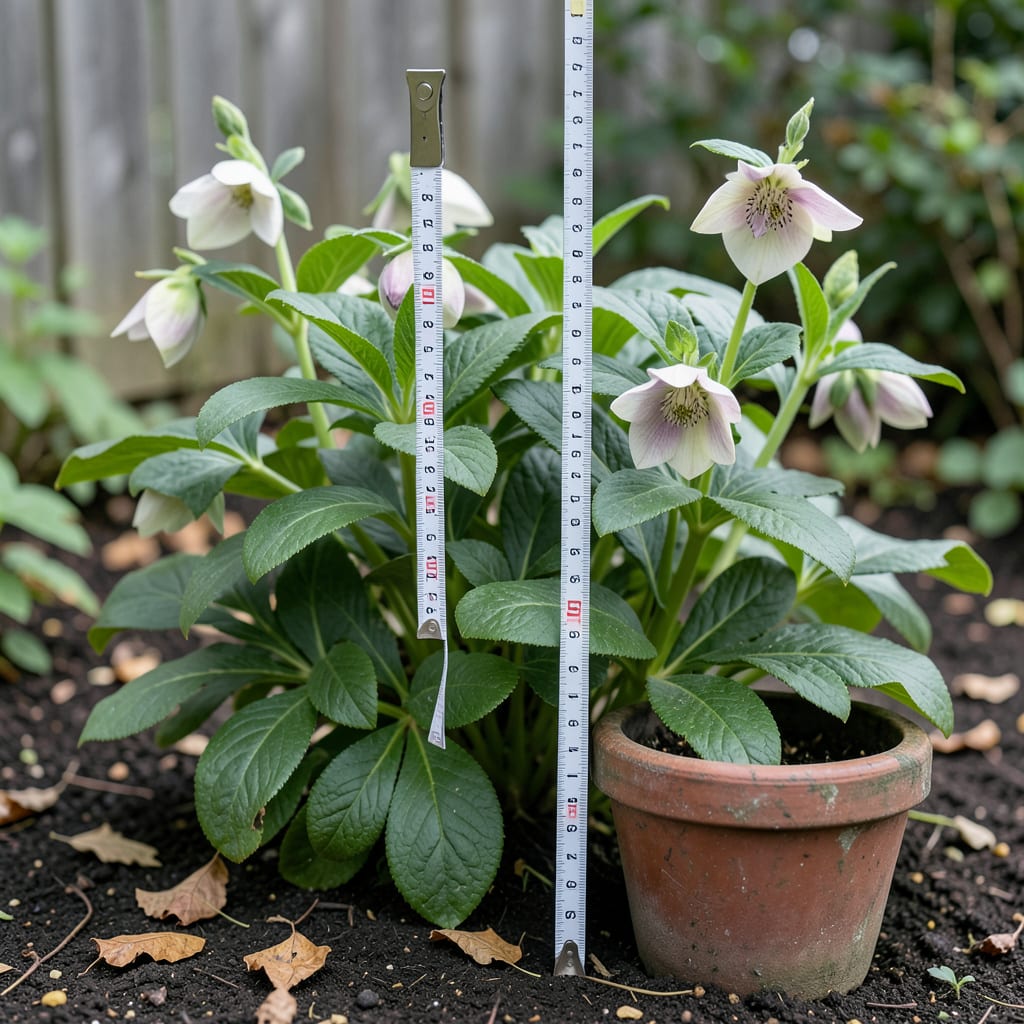
As a gardener, I’ve always been fascinated by Hellebores 🌸, commonly known as Christmas roses, which bloom in late winter and add much-needed color to the garden. Their evergreen foliage and nodding flowers make them a delightful addition to any landscape in USDA Zone 6.
Understanding how tall they grow is crucial for optimal placement – typically ranging from 0.5 to 2 feet tall, depending on the variety and growing conditions. Let’s explore what influences their height and how to make the most of these beautiful plants.


Hellebores, commonly known as Christmas roses, are a popular choice among gardeners for their winter blooms and evergreen foliage. Understanding their growth habits is essential for optimal placement in your garden. One of the key factors to consider is their height 🌸.
The typical height range of hellebores varies depending on the species and growing conditions. Generally, they can grow anywhere from 0.5 to 2 feet tall. Let’s explore the different height ranges of various hellebore species and how they can fit into your garden design.
The height of hellebores can be influenced by several factors, including soil quality, light exposure, and care practices. For instance, hellebores grown in well-drained, rich soil tend to be healthier and may reach their maximum height potential 🌱.
Light exposure also plays a significant role in determining the height of hellebores. While they prefer partial shade, too much shade can lead to leggy growth, while too much sun can cause the leaves to become scorched 🔥.
To maintain a desired height, it’s essential to provide hellebores with the right growing conditions. This includes ensuring they receive adequate moisture, especially during dry spells, and fertilizing lightly in the spring with a balanced fertilizer 💧.
Pruning is another crucial aspect of hellebore care that can impact their height. Removing old foliage in late winter can help promote new growth and maintain a tidy appearance ✂️.
When selecting hellebores for your garden, consider the mature height of the variety to ensure it fits your desired landscape design. Dwarf varieties are ideal for small spaces, while taller types can add drama to larger borders 🌼.
In addition to their height, hellebores are also valued for their evergreen foliage and winter blooms. They can provide year-round interest in the garden, making them a versatile choice for gardeners ❄️.
By understanding the typical height range of hellebores and the factors that influence their growth, you can make informed decisions when selecting and caring for these beautiful plants. Whether you’re looking to add a touch of winter color or create a lush, evergreen groundcover, hellebores are an excellent choice 🌿.
For more information on growing hellebores and other winter-flowering plants, be sure to check out our other gardening guides and tips. Happy gardening! 🌻
Understanding the factors that influence hellebore height is crucial for gardeners who want to optimize their plant’s growth. The height of hellebores can be affected by several key factors, including soil quality, light exposure, and care practices 🌿.
Soil quality plays a significant role in determining hellebore height. Hellebores thrive in well-drained, rich soil that is high in organic matter. Soil that is too dense or poorly drained can lead to root rot, which can stunt the plant’s growth 🌱.
To optimize soil quality, add compost or well-rotted manure to improve soil structure and fertility. This will help promote healthy growth and maximize hellebore height.
Light exposure is another critical factor that affects hellebore height. While hellebores prefer partial shade, too much shade can lead to leggy growth, while too much sun can cause the leaves to become scorched 🔥.
In addition to soil and light, care practices such as watering and fertilization can also impact hellebore height. Hellebores require consistent moisture, especially during dry spells, and benefit from light fertilization in the spring 💧.
Pruning is also an essential aspect of hellebore care that can influence their height. Removing old foliage in late winter can help promote new growth and maintain a tidy appearance ✂️.
By understanding the factors that influence hellebore height, gardeners can take steps to optimize their plant’s growth and achieve the desired height. Whether you’re looking to add a touch of winter color or create a lush, evergreen groundcover, hellebores are an excellent choice 🌼.
For more information on growing hellebores and other winter-flowering plants, be sure to check out our other gardening guides and tips. Happy gardening! 🌻
When it comes to selecting hellebores for your garden, understanding their mature height is crucial for creating a balanced and visually appealing landscape 🌿.
Different hellebore varieties offer a range of heights, from compact dwarf types to taller standard varieties, allowing you to choose the perfect fit for your garden design 🌸.
By choosing the right hellebore variety based on its mature height, you can create a harmonious and thriving garden ecosystem 🌻.
Consider factors like soil quality, light exposure, and care practices when selecting and caring for your hellebores to ensure they reach their full potential 🌿.
With proper care and selection, hellebores can provide year-round interest in your garden, from their evergreen foliage to their beautiful winter blooms ❄️.
For more tips on selecting and caring for hellebores, check out our other gardening guides and resources to enhance your gardening experience 🌼.
Hellebores typically grow between 0.5 to 2 feet tall, depending on the variety and growing conditions. Some dwarf varieties remain compact at 0.5-0.75 ft, while standard types can reach 1-1.5 ft. Taller varieties can add drama to borders, growing up to 1.5-2 ft tall .
Soil quality significantly impacts hellebore height. They thrive in well-drained, rich soil high in organic matter. Poor soil can lead to root rot, stunting growth. Adding compost or well-rotted manure improves soil structure and fertility, promoting healthy growth .
Yes, pruning can influence hellebore height. Removing old foliage in late winter promotes new growth and maintains a tidy appearance. This practice helps control height and encourages healthy development .
Light exposure affects hellebore height. While they prefer partial shade, too much shade can lead to leggy growth. Too much sun can scorch leaves. Optimal light conditions help maintain a desired height and promote overall health .
