
Beautiful Plants For Your Interior
Beautiful Plants For Your Interior
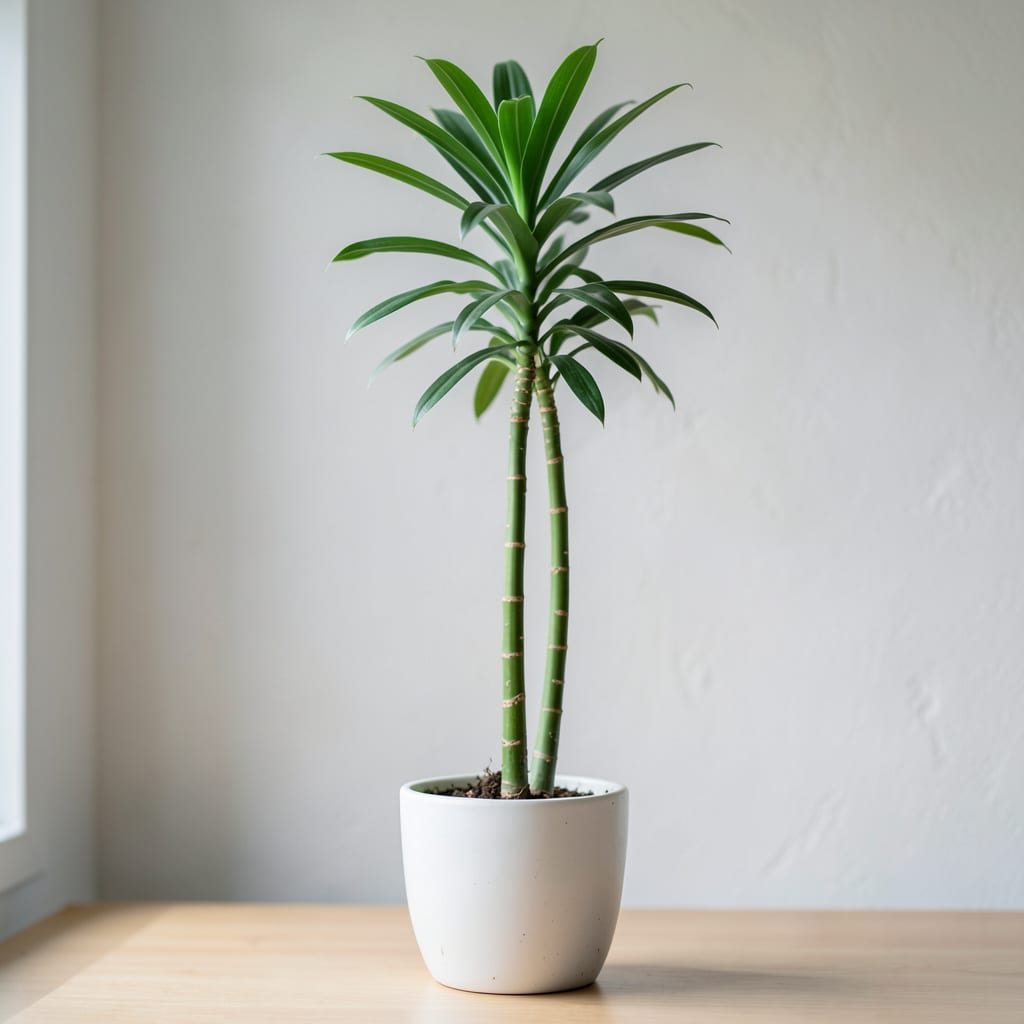
As I gaze out at my garden, I’m always amazed by the towering presence of Golden Bamboo 🎍. Its impressive height and rapid growth make it a popular choice for creating natural privacy screens or ornamental features.
But just how tall can Golden Bamboo grow? In ideal conditions, it can reach heights of 20-30 feet, making it a striking addition to any landscape in USDA Zone 6.


Golden bamboo is known for its impressive height and rapid growth, making it a popular choice for gardeners. The height of golden bamboo is influenced by several factors, including climate, soil quality, watering, sunlight exposure, and maintenance practices.
To understand how tall golden bamboo can grow, it’s essential to consider these factors and how they impact the plant’s growth. In ideal conditions, golden bamboo can reach heights of 20-30 feet.
The growth rate of golden bamboo is rapid, with new shoots emerging in the spring and growing several feet in just a few weeks. The plant’s height is also influenced by its genetic potential, with some varieties naturally growing taller than others.
In addition to the factors mentioned above, the overall health of the plant plays a significant role in determining its height. A healthy, well-maintained golden bamboo plant will typically grow taller and stronger than one that is neglected or stressed.
Understanding these growth patterns is essential for gardeners who want to maximize the height potential of their golden bamboo. By providing the right conditions and care, gardeners can enjoy the many benefits of this impressive and versatile plant.
Golden bamboo’s growth is not just about reaching maximum height; it’s also about maintaining a balanced and healthy structure. Regular maintenance helps prevent the plant from becoming too dense or invasive.
By controlling factors like sunlight and watering, gardeners can influence the growth rate and maximum height of their golden bamboo. This makes it possible to tailor the plant’s growth to specific garden needs.
For gardeners looking to create a natural screen or ornamental feature, understanding golden bamboo’s growth patterns is crucial. The plant’s ability to grow rapidly and reach significant heights makes it an ideal choice for many landscaping projects.
With proper care and maintenance, golden bamboo can become a stunning focal point in any garden. Its impressive height and lush foliage make it a popular choice among gardeners and landscapers alike.
In summary, the height of golden bamboo is influenced by a combination of factors, including climate, soil quality, watering, sunlight exposure, and maintenance practices. By understanding and managing these factors, gardeners can promote healthy growth and maximize the plant’s height potential.
Golden bamboo is known for its impressive height, and understanding its maximum height potential is crucial for gardeners. The typical height range for golden bamboo is between 20-30 feet, making it a striking addition to any landscape.
To give you a better understanding of golden bamboo’s height potential, let’s look at some key facts. The tallest recorded golden bamboo plants have reached heights of over 35 feet in ideal conditions.
Golden bamboo requires full sun to partial shade and consistent moisture to reach its maximum height potential.
Well-draining soil with a pH between 6.0 and 7.0 is essential for healthy growth and maximum height.
Regular pruning and fertilization promote healthy growth and help golden bamboo reach its maximum height potential.
The maximum height potential of golden bamboo is influenced by a combination of factors, including climate, soil quality, watering, sunlight exposure, and maintenance practices. By understanding and managing these factors, gardeners can promote healthy growth and maximize the plant’s height potential 🌿.
In ideal conditions, golden bamboo can grow 3-5 feet per year, making it one of the fastest-growing plants in the world. This rapid growth rate allows gardeners to quickly establish a natural screen or ornamental feature.
To achieve the maximum height potential of golden bamboo, gardeners should provide the right conditions and care. This includes ensuring the plant receives adequate sunlight and consistent moisture, as well as regular maintenance practices like pruning and fertilization.
By following these tips and understanding the factors that influence golden bamboo’s height, gardeners can enjoy the many benefits of this impressive and versatile plant. With proper care and maintenance, golden bamboo can become a stunning focal point in any garden 🌸.
To keep your golden bamboo at the desired height, regular maintenance is crucial. This involves a combination of pruning techniques and growth control methods to ensure the plant remains healthy and manageable.
Prune your golden bamboo regularly to maintain its desired height and promote healthy growth. Remove any dead or damaged culms to prevent disease and encourage new growth 🌱.
One effective method for managing golden bamboo height is through regular pruning. This involves cutting back the tallest culms to the desired height, which helps maintain the plant’s overall shape and prevents it from becoming too invasive.
In addition to pruning, rhizome pruning is another technique used to control the spread and height of golden bamboo. By removing invasive rhizomes, you can prevent the plant from spreading beyond its designated area and reduce its overall height.
To maintain the desired height of your golden bamboo, it’s essential to monitor its growth regularly. Check the plant’s height frequently, and prune it as needed to prevent it from exceeding the desired height.
By combining these techniques and maintaining a consistent maintenance routine, you can effectively manage the height of your golden bamboo and enjoy its many benefits in your garden 🌸.
Regular maintenance not only helps control the height but also promotes the overall health of the plant. By removing dead or damaged culms, you can prevent disease and encourage new growth, keeping your golden bamboo vibrant and thriving.
With proper care and attention, golden bamboo can be a stunning addition to any garden, providing a natural screen or ornamental feature that enhances the beauty of your outdoor space.
Golden bamboo is known for its rapid growth, typically growing 3-5 feet per year in ideal conditions. This makes it one of the fastest-growing plants in the world!
Regular pruning is key to managing golden bamboo height. Cut back the tallest culms to your desired height, and consider rhizome pruning to control spread. This will help maintain the plant’s overall shape and prevent it from becoming too invasive.
Several factors influence golden bamboo’s height, including climate, soil quality, watering, sunlight exposure, and maintenance practices. By understanding and managing these factors, you can promote healthy growth and maximize the plant’s height potential.
While golden bamboo can grow quite tall, it can be challenging for small gardens due to its rapid growth and potential size. However, with regular pruning and maintenance, it can be managed in smaller spaces. Consider using dwarf varieties for smaller gardens.
