
Beautiful Plants For Your Interior
Beautiful Plants For Your Interior
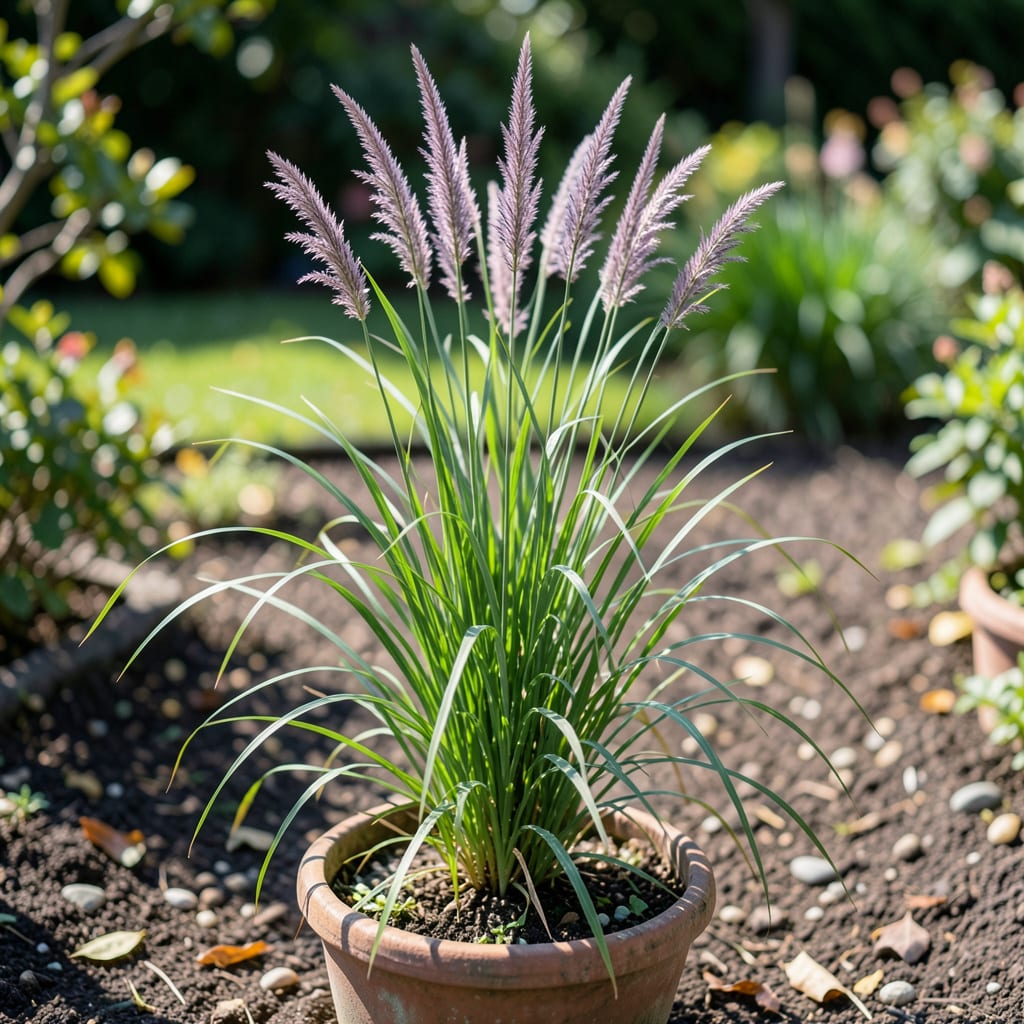
Fountain grass 🌾 adds dramatic height and movement to any garden, but understanding its growth potential is key to perfect placement. In USDA zone 6, you can expect these ornamental grasses to reach their full height potential.
Let’s explore how tall fountain grass can grow and what factors influence its height, helping you make informed decisions for your garden design.

Fountain grass is known for its impressive height, which can vary significantly depending on the specific variety you’re growing. The height range for fountain grass typically spans from 2 to 5 feet, with some exceptional cultivars reaching even greater heights.
Different varieties of fountain grass have been developed to suit various garden designs and spaces. Understanding these height variations is crucial for proper garden planning and plant placement.
The height potential of fountain grass is one of its most attractive features for gardeners. When selecting a variety, it’s essential to consider the mature height to ensure it fits your garden’s design and space constraints.
Factors influencing height include not just the variety, but also growing conditions such as soil quality, sunlight exposure, and watering practices. Optimal conditions can help fountain grass reach its maximum height potential.
Fountain grass typically grows in USDA zone 6, where it can thrive with proper care. The planting window is usually in spring, after the last frost, allowing the grass to establish itself before the growing season.
When planting, consider the space requirements based on the mature height of your chosen variety. Proper spacing ensures that each plant has enough room to grow and receive adequate sunlight and air circulation.
Installed in the right conditions, fountain grass can become a stunning focal point in any garden, providing both height and movement with its graceful plumes.
Understanding the growth habits of different fountain grass varieties allows gardeners to make informed decisions about plant placement and garden design.
The maximum height of fountain grass is just one aspect of its overall growth potential. Other factors such as foliar color, plume characteristics, and disease resistance also play crucial roles in selecting the right variety for your garden.
By choosing the appropriate variety and providing optimal growing conditions, you can enjoy the full beauty and dramatic height that fountain grass has to offer.
Fountain grass height can vary significantly based on several key factors that gardeners should consider when planning their landscape. The growing conditions, including soil quality and sunlight exposure, play a crucial role in determining the ultimate height of these ornamental grasses 🌾.
Understanding these factors helps gardeners make informed decisions about plant placement and care. Let’s examine the primary elements that influence fountain grass height growth.
By understanding and managing these factors, gardeners can optimize the growing conditions for their fountain grass, helping it reach its full height potential. Proper care and maintenance are essential for achieving the desired height and overall health of these beautiful ornamental grasses.
The height potential of fountain grass is directly related to the quality of care it receives. Gardeners should focus on creating optimal growing conditions to support maximum growth.
Regular maintenance practices, such as pruning and fertilization, also contribute to the overall height and health of fountain grass plants.
By combining the right variety selection with proper care techniques, gardeners can enjoy the full dramatic effect of fountain grass in their landscape designs.
Fountain grass height can be a dramatic element in garden design, providing both visual interest and structural depth 🌾. The varying heights of different fountain grass varieties offer gardeners numerous opportunities to create dynamic and engaging landscapes.
When incorporating fountain grass into your garden design, consider how the plant’s height will contribute to the overall aesthetic and functionality of the space. The height potential of fountain grass makes it an excellent choice for adding drama and movement to garden beds and borders.
Use taller fountain grass varieties as a backdrop for shorter plants, creating a layered effect that adds depth to your garden design.
The height range of fountain grass varieties allows for flexibility in garden design. Dwarf varieties can be used for edging or in containers, while taller types make excellent specimen plants or screening elements.
When planning your garden, consider the mature height of the fountain grass and how it will interact with other plants and features in the landscape. Proper planning ensures a harmonious and visually appealing garden design.
Layering plants by height is a key principle in creating an attractive garden. Fountain grass can serve as a mid to upper layer, providing height and texture above lower-growing plants.
The movement and flow created by the tall plumes of fountain grass add another dimension to garden design, catching the breeze and creating a soothing visual effect.
By thoughtfully incorporating fountain grass into your garden design, you can enhance the overall aesthetic and create a more engaging outdoor space. The height of fountain grass is a valuable asset in achieving a well-designed and dynamic garden.
To maximize the visual impact, consider combining fountain grass with other plants that complement its height and texture. This approach can create a rich and varied garden landscape.
Effective use of fountain grass height can transform a garden into a more interesting and dynamic environment, providing both beauty and functionality throughout the growing season.
Fountain grass typically grows between 2 to 5 feet tall, depending on the variety. Some compact varieties reach only 1-2 feet, while giant cultivars can exceed 5 feet. The height potential makes it a versatile choice for various garden designs.
To help your fountain grass reach its maximum height, ensure it receives full sun (6+ hours daily) and plant it in well-draining soil with moderate fertility. Consistent moisture during the establishment phase and balanced fertilization during the growing season also support optimal growth. Proper care can make a significant difference in achieving the desired height.
Yes, fountain grass height can be influenced by the USDA zone. In zones with longer growing seasons, fountain grass tends to grow taller. For example, in USDA zone 6, fountain grass can thrive and reach its expected height range with proper care. Understanding your local climate and zone helps in selecting the right variety and providing appropriate care.
Yes, pruning is an effective way to manage the height of fountain grass. Cutting back the grass in late winter or early spring to about 2-3 inches from the ground helps maintain its shape and promotes healthy new growth. This practice also encourages the grass to grow more vigorously during the growing season.
