
Beautiful Plants For Your Interior
Beautiful Plants For Your Interior
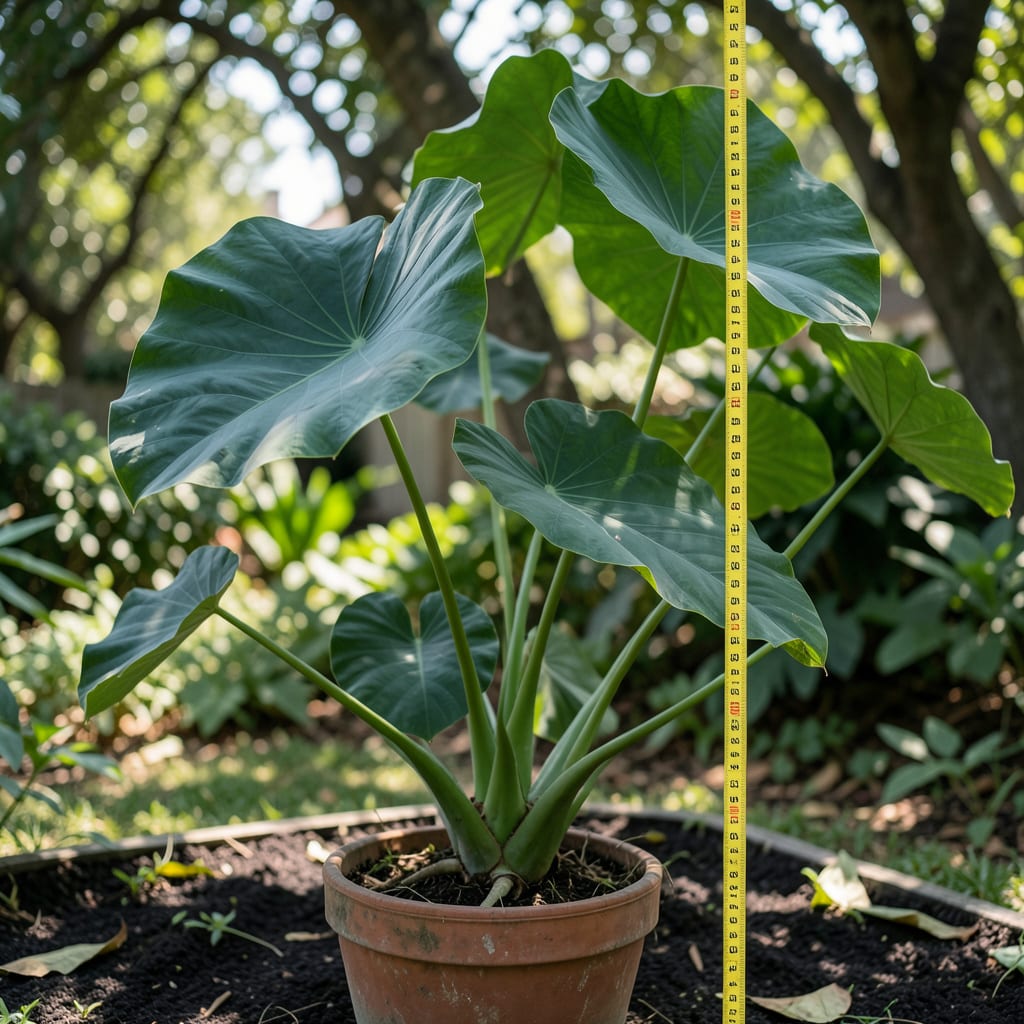
I’ve always been fascinated by the dramatic foliage of Elephant Ears 🌿, and their impressive height is one of their most striking features. Growing in USDA Zone 6a, these plants can add a tropical touch to any garden, but their growth potential varies based on several factors.
Understanding how tall Elephant Ears can grow is crucial for proper placement in your garden. With the right conditions, they can reach 3 to 8 feet tall, making them a statement piece in any landscape. Let’s explore what influences their height and how to encourage optimal growth.


I’ve found that Elephant Ear plants can grow to varying heights depending on their variety and growing conditions. The typical height range for these plants is between 3 to 8 feet, making them a dramatic addition to any garden 🌿.
The maximum height of Elephant Ear plants is influenced by factors such as soil quality, sunlight, watering, and fertilization. Understanding these factors is crucial for encouraging optimal growth and achieving the desired height in your garden.
The height of Elephant Ear plants can be significantly influenced by the variety you choose. Dwarf varieties tend to be more compact, growing to around 3-4 feet, while standard varieties can reach heights of 6-8 feet. Selecting the right variety is key to achieving your desired plant height. 🌿
Understanding the factors that affect the height of Elephant Ear plants is essential for gardeners. By choosing the right variety and providing optimal growing conditions, you can enjoy these stunning plants at their full potential height.
Elephant Ear plants thrive in USDA Zone 6a when planted in the right conditions. The ideal planting time is in spring, after the last frost, when the soil has warmed to 65°F. Proper care, including regular watering and fertilization, will help these plants reach their maximum height.
To encourage optimal growth, it’s essential to provide Elephant Ear plants with the right growing conditions. This includes partial shade and consistently moist soil. By replicating their natural habitat, you can help these plants thrive and reach their full height potential.
In addition to variety selection, soil quality plays a significant role in determining the height of Elephant Ear plants. Well-draining, rich soil with a balanced fertilizer will support healthy growth and maximize height.
Watering practices also impact the height of Elephant Ear plants. These plants require consistent moisture, especially during the growing season. Deep soaking once or twice a week, depending on weather conditions, will help maintain the right moisture levels.
By understanding the factors that influence the height of Elephant Ear plants and providing the right care, you can enjoy these dramatic plants in your garden. Whether you’re looking for a compact variety or a statement piece, there’s an Elephant Ear plant to suit your needs 🌿.
For more information on growing Elephant Ear plants and achieving optimal height, consider exploring additional resources on gardening and plant care. With the right knowledge and care, you can enjoy these stunning plants for years to come.
In conclusion, the height of Elephant Ear plants is influenced by a combination of variety, growing conditions, and care practices. By selecting the right variety and providing optimal care, you can enjoy these plants at their full potential height in your garden.
I’ve found that several factors play a crucial role in determining the height of Elephant Ear plants. Understanding these elements is essential for gardeners who want to encourage optimal growth and achieve the desired height in their garden 🌿.
The height of Elephant Ear plants is influenced by a combination of factors, including soil quality, sunlight, watering practices, and fertilization. Let’s explore each of these factors in more detail.
By understanding and managing these factors, you can create an optimal growing environment for your Elephant Ear plants. This will help them reach their full potential height and add a dramatic touch to your garden 🌿.
In my experience, providing the right growing conditions is key to encouraging optimal growth in Elephant Ear plants. By paying attention to soil quality, sunlight, watering practices, and fertilization, you can help these plants thrive and reach their maximum height.
For more information on growing Elephant Ear plants and achieving optimal height, consider exploring additional resources on gardening and plant care. With the right knowledge and care, you can enjoy these stunning plants for years to come.
In conclusion, the height of Elephant Ear plants is influenced by a combination of factors. By understanding and managing these elements, you can create an optimal growing environment and enjoy these dramatic plants in your garden.
I’ve found that managing tall Elephant Ear plants requires some special care to ensure they remain healthy and continue to thrive in your garden 🌿.
Tall Elephant Ear plants can be a stunning addition to any garden, but they do require some maintenance to keep them looking their best. One of the key challenges is providing support for these tall plants to prevent them from toppling over in the wind.
For tall Elephant Ear plants, consider using stakes or plant supports to keep them upright and secure. This will help prevent damage to the plant and ensure it continues to grow well.
In addition to providing support, pruning is an essential part of managing tall Elephant Ear plants. Removing dead or damaged leaves not only keeps the plant looking tidy but also helps prevent the spread of disease 🌿.
Companion planting is another strategy for managing tall Elephant Ear plants. By planting them alongside other tall plants or using them as a backdrop for smaller plants, you can create a balanced and visually appealing garden design.
When it comes to caring for tall Elephant Ear plants, it’s also important to consider their growing conditions. Ensuring they receive the right amount of sunlight, water, and nutrients will help them reach their full potential height.
By following these tips and providing the right care, you can enjoy your tall Elephant Ear plants for years to come. Whether you’re looking to add a dramatic touch to your garden or simply want to enjoy the beauty of these stunning plants, proper management is key 🌿.
In my experience, the key to successfully managing tall Elephant Ear plants is to be proactive and attentive to their needs. With the right care and support, these plants can be a true showstopper in any garden.
Elephant Ear plants can grow between 3 to 8 feet tall, depending on the variety and growing conditions. The height range varies significantly across different types. Some compact varieties remain smaller, while others can become quite tall. Proper care helps them reach their maximum height potential.
The variety of Elephant Ear you choose significantly impacts its height. Dwarf varieties typically grow to 3-4 feet, while standard varieties can reach heights of 6-8 feet. Selecting the right variety is crucial for achieving your desired plant height in your garden.
Several factors influence the height of Elephant Ear plants, including soil quality, sunlight, watering practices, and fertilization. Providing optimal growing conditions helps these plants reach their full potential height and thrive in your garden.
For tall Elephant Ear plants, consider using stakes or plant supports to keep them upright and secure. This prevents damage and ensures continued healthy growth. Proper support is especially important in windy conditions to prevent the plants from toppling over.
