
Beautiful Plants For Your Interior
Beautiful Plants For Your Interior
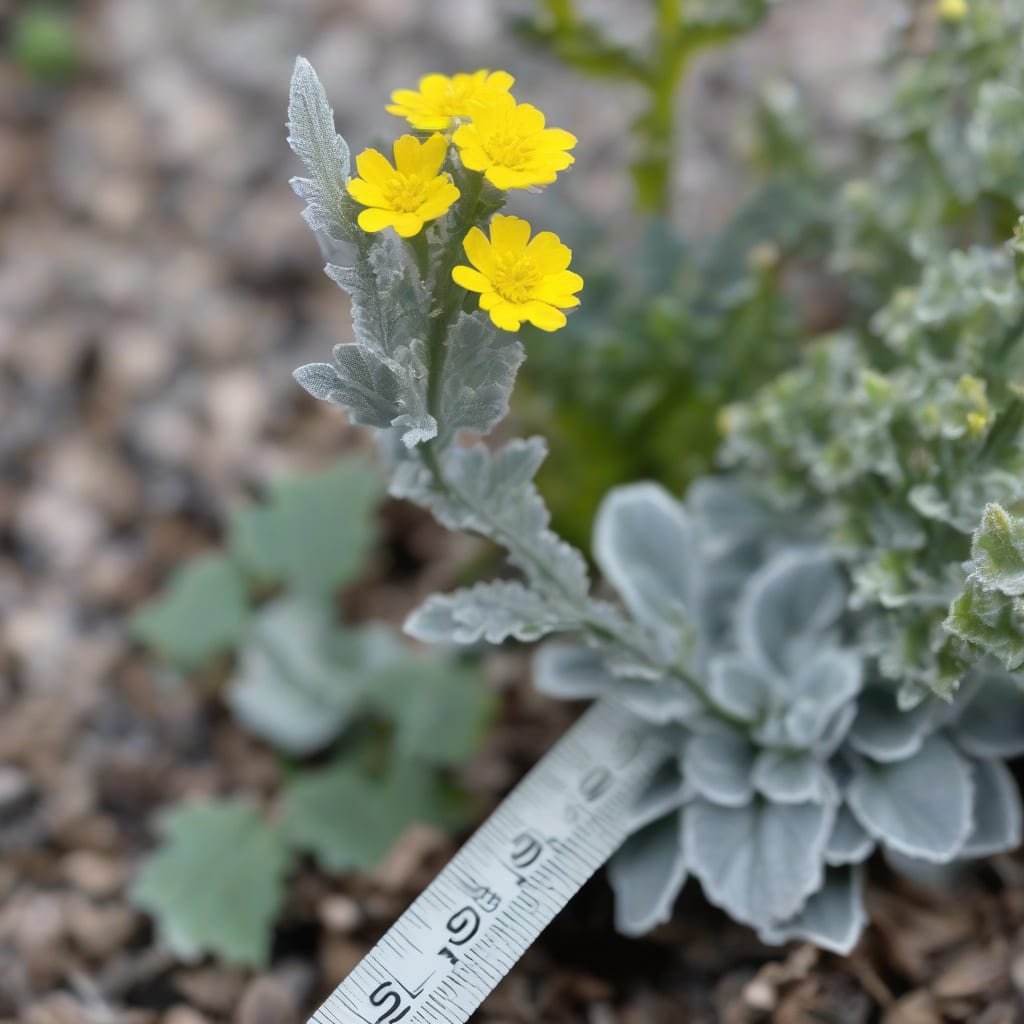
I’ve always been fascinated by the striking silver foliage of Dusty Miller 🌿, and understanding its growth habits is key to perfect garden placement. Typically growing between 1-3 feet tall, this versatile plant can add beautiful contrast to various garden designs.
Whether you’re working with USDA Zone 6 conditions or planning for general garden spaces, knowing what to expect from your Dusty Miller helps create stunning visual arrangements. Let’s explore the factors that influence its height and how to manage it effectively.

Dusty miller is known for its striking silver foliage and versatile growth habits. Typically, it grows between 1-3 feet tall, making it an excellent choice for various garden designs. The plant’s height can vary based on several factors, including growing conditions and care practices.
Understanding the typical growth patterns of dusty miller helps gardeners plan their garden layouts more effectively. Whether you’re working with USDA Zone 6 conditions or other zones, knowing what to expect from your dusty miller plants is crucial for creating beautiful and balanced garden arrangements 🌿.
The height of dusty miller plants can be influenced by various factors, including soil quality, sunlight exposure, watering practices, and pruning techniques. By understanding these factors, gardeners can better manage the growth of their dusty miller plants to achieve the desired height and overall appearance.
In ideal conditions, dusty miller can reach its maximum height potential. For instance, when grown in well-draining soil and provided with adequate sunlight, the plant can thrive and achieve a height of up to 3 feet. Conversely, less favorable conditions may result in shorter plants.
To maximize the height potential of dusty miller, gardeners should ensure the plant receives adequate sunlight and maintain proper watering practices. Additionally, regular pruning can help manage the plant’s height and overall aesthetic appeal in the theplants’ height and overall appearance.
By providing dusty miller with the right growing conditions and proper care,usinating these factors can help ensure the plant reaches its full height potential and remains healthy throughout the growing season 🌿.
The typical height range for dusty miller is between 1-3 feet, with a moderate growth rate. Ideal growing conditions include full sun to partial shade and well-draining soil. Factors such as soil quality, sunlight exposure, and pruning practices can influence the plant’s height.
To maximize height, ensure adequate sunlight and maintain proper watering practices. Regular pruning can help manage the plant’s height and overall appearance. By understanding and managing these factors, gardeners can help their dusty miller plants reach their full height potential and remain healthy throughout the growing season.
Dusty miller plants are relatively easy to care for, making them a popular choice for gardeners of all skill levels. Their striking silver foliage adds visual interest to gardens and can be used in various landscape designs.
In summary, dusty miller typically grows between 1-3 feet tall, with a moderate growth rate. By providing the right growing conditions and proper care, gardeners can help their dusty miller plants thrive and achieve their full height potential 🌿.
The height of dusty miller plants can be influenced by several key factors that gardeners should consider when planning their garden layouts.
By understanding and managing these factors, gardeners can optimize the growing conditions for their dusty miller plants, helping them achieve their full height potential and maintain a healthy, attractive appearance throughout the growing season 🌿.
Managing the height of dusty miller plants is essential for creating visually appealing garden designs. By understanding how to maintain the desired height, gardeners can ensure their dusty miller plants complement other plants in the garden.
Regular pruning is key to maintaining the desired height and shape of dusty miller plants. By pruning regularly, you can encourage bushy growth and prevent the plant from becoming leggy.
In addition to pruning, companion planting can also play a role in managing the height of dusty miller. By selecting appropriate companion plants, gardeners can create a balanced and visually appealing garden design.
Overall, by combining proper care techniques with thoughtful garden design, gardeners can effectively manage the height of their dusty miller plants and create beautiful, thriving garden spaces 🌿.
The height of dusty miller plants can be influenced by several key factors that gardeners should consider when planning their garden layouts 🌿.
Understanding these factors is crucial for optimizing the growth of dusty miller and achieving the desired height in garden designs.
By understanding and managing these factors, gardeners can optimize the growing conditions for their dusty miller plants, helping them achieve their full height potential and maintain a healthy, attractive appearance throughout the growing season.
Each of these factors plays a critical role in determining the final height of dusty miller plants.
For example, well-draining soil is essential for preventing root rot and ensuring the plant grows to its maximum height potential.
Similarly, adequate sunlight exposure is vital for promoting healthy growth and maximizing the plant’s height.
By focusing on these key factors, gardeners can create optimal growing conditions for their dusty miller plants, resulting in healthier, more robust growth 🌿.
Managing the height of dusty miller plants is essential for creating visually appealing garden designs. By understanding how to maintain the desired height, gardeners can ensure their dusty miller plants complement other plants in the garden 🌿.
Regular pruning is key to maintaining the desired height and shape of dusty miller plants. By pruning regularly, you can encourage bushy growth and prevent the plant from becoming leggy.
In addition to pruning, companion planting can also play a role in managing the height of dusty miller. By selecting appropriate companion plants, gardeners can create a balanced and visually appealing garden design.
Overall, by combining proper care techniques with thoughtful garden design, gardeners can effectively manage the height of their dusty miller plants and create beautiful, thriving garden spaces 🌿.
Dusty miller plants are versatile and can be used in various garden designs, from container gardens to mixed borders. Their striking silver foliage adds visual interest and can be used to create stunning contrasts with other plants.
By understanding how to manage the height of dusty miller plants, gardeners can unlock their full potential and create beautiful, thriving garden spaces.
